


The Neuro-Retinoid Link: How Vitamin A Shapes Brain and Mood. Most health enthusiasts recognize vitamin A as an essential compound for ocular function, crisp night vision, and front-line immune resilience. Skincare protocols constantly celebrate topically applied retinoids for stimulating dermal collagen turnover, smoothing texture, and speeding cellular renewal. However, contemporary neurobiology demonstrates that this fat-soluble micronutrient exerts profound, non-negotiable control over the deeper architecture of the central nervous system.
When biohackers analyze persistent morning fatigue, midday brain fog, reduced processing speed, and sluggish working memory, they rarely suspect suboptimal retinoid availability within their nervous system. Evaluating day-to-day cognitive performance through a nuanced micronutrient lens quickly uncovers how deeply human brain biochemistry relies on active vitamin A metabolites to sustain high-level executive function, focus, and emotional equilibrium.
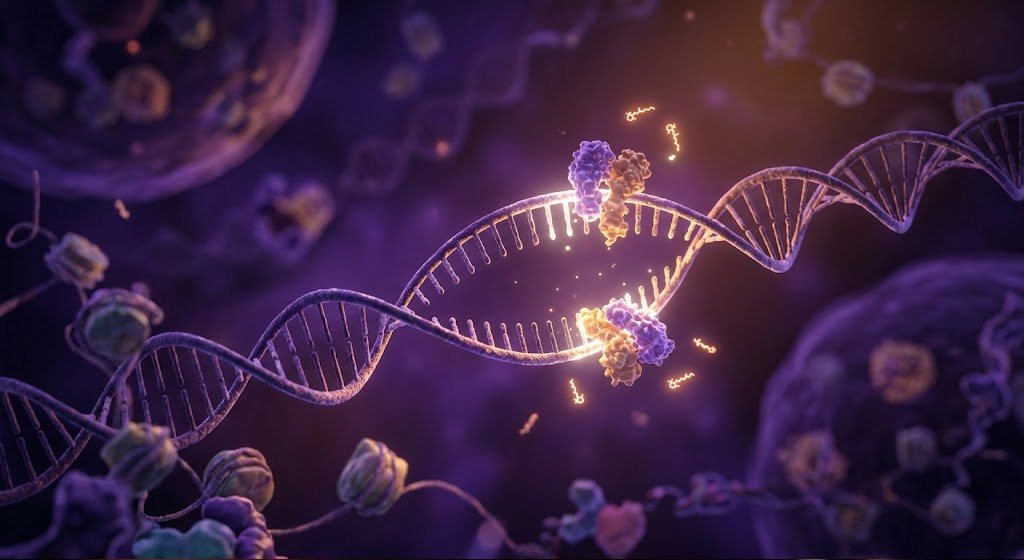
The bridge connecting visual photochemistry to high-octane cognitive vigor is dynamic chemical versatility. Dietary retinol crosses the selective blood-brain barrier through specialized transport carrier proteins, transforming inside neural tissue into its primary biologically active metabolite, retinoic acid. This unique molecule acts less like a passive dietary cofactor and far more like a potent, lipid-soluble steroid hormone that binds directly to specialized nuclear receptors inside neurons and glial cells. By directly orchestrating downstream gene transcription across cerebral structures, active retinoid compounds dictate how effectively complex neural networks process novel information, adapt to shifting intellectual challenges, generate cellular energy, and continuously shield themselves against persistent environmental and neurodegenerative stress over the decades.
- Targeted delivery: Specialized transport systems and plasma retinol-binding proteins guide circulating retinol safely across the protective blood-brain barrier directly into targeted neural tissues.
- Hormonal mechanics: Within individual brain cells, dedicated dehydrogenase enzymes metabolize retinol into all-trans retinoic acid, functioning as an active epigenetic signaling agent.
- Transcriptional control: Active retinoid complexes latch onto specific genomic response elements to direct the sustained, daily expression of vital neuroprotective genes.
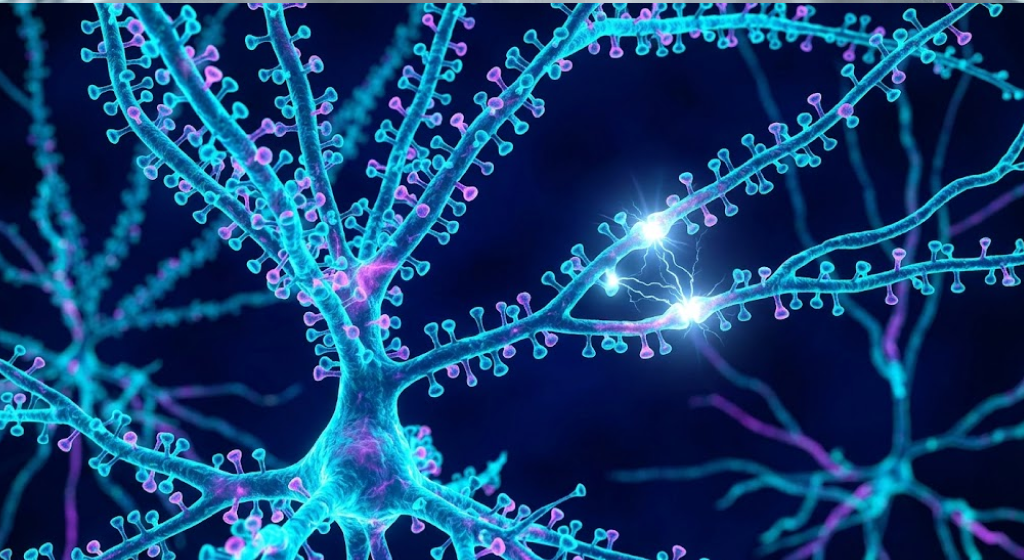
The Retinoid Signaling Pathway Inside Neural Tissue
Unlocking sustained mental clarity requires taking a closer look at the underlying genomic machinery operating inside your individual neurons. Retinoic acid exerts its physiological influence by docking directly onto two distinct families of nuclear receptors: retinoic acid receptors (RARs, including alpha, beta, and gamma isotypes) and retinoid X receptors (RXRs). These specialized receptors function as ligand-activated transcription factors. Once docking occurs, the receptor pairs heterodimerize and attach precisely to specific DNA promoter sequences known as retinoic acid response elements. This targeted biochemical interaction directly switches on the transcription of hundreds of structural genes supervising cellular survival, membrane integrity, synapse maintenance, and inter-cellular communication across critical forebrain processing centers.
Without continuous and sufficient nuclear receptor binding, critical enzymatic cascades and protein renewal cycles gradually slow down across vital cognitive hubs, including the striatum, cerebral cortex, and hippocampus. Coordinated gene expression in the brain depends on this precise micronutrient signaling to sustain energetic equilibrium, mitochondrial health, and daily synaptic turnover. Because retinoid X receptors also heterodimerize with other indispensable metabolic transcription factors—including vitamin D receptors, peroxisome proliferator-activated receptors, and thyroid hormone receptors—maintaining adequate active retinoid levels ensures balanced cooperation among broader hormonal systems regulating brain vitality, baseline metabolic rate, physical drive, and calm mental alertness throughout the day.
- Receptor dimerization: Active retinoid signaling relies on RAR and RXR pairs docking seamlessly together on targeted chromosomal promoter regions.
- Chromatin accessibility: Receptor binding events stimulate essential epigenetic remodeling, enabling structural genes to synthesize essential neural enzymes and scaffold proteins.
- Hormonal integration: Retinoid nuclear receptors cooperate directly with thyroid and vitamin D signaling pathways to optimize overall cerebral energy and metabolic throughput.
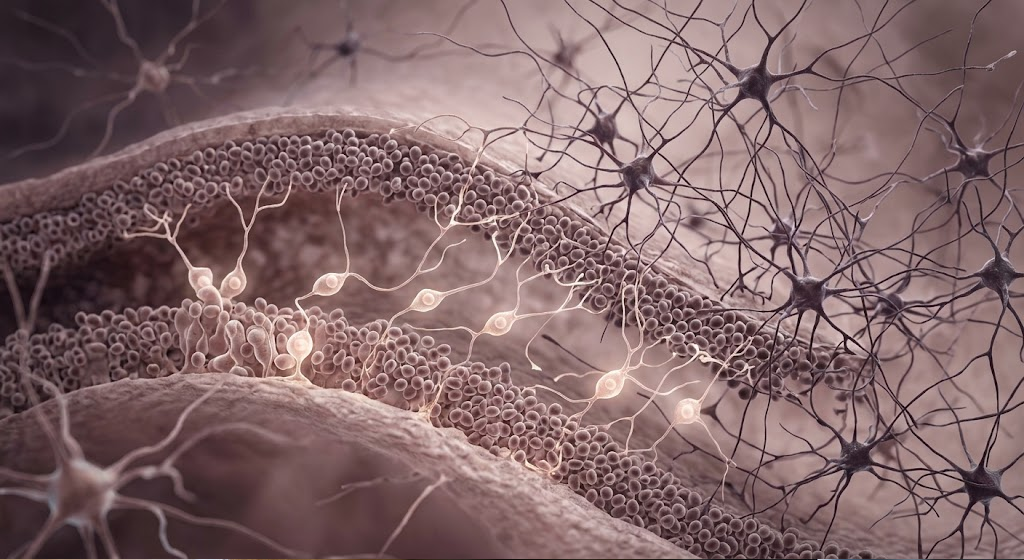
Fueling Neuroplasticity and Memory Consolidation
The human brain adapts, solves problems, and stays agile through continuous structural remodeling, a biological process formally termed synaptic plasticity. Learning complex professional frameworks, mastering technical skills, synthesizing dense information, and preserving clear long-term memories require the physical remodeling of dendritic branches and spines. Within the hippocampus—the master hub responsible for rapid learning, memory encoding, and contextual spatial navigation—retinoic acid serves as an indispensable local regulator of long-term potentiation (LTP). This sustained, physical strengthening of synaptic connections following coordinated electrical activity forms the absolute molecular foundation of durable memory retention and rapid informational retrieval under pressure.
When local retinoic acid concentration dips beneath physiological thresholds, synaptic transmission across dense hippocampal microcircuits noticeably falters, triggering common complaints of sluggish recall, decreased learning capacity, and mental exhaustion. Cutting-edge neuroscience demonstrates that retinoic acid synthesizes locally on demand near active dendritic synapses to coordinate homeostatic synaptic scaling, ensuring that complex neuronal circuits remain responsive without becoming hyper-excited or metabolically drained. By actively stimulating the local translation of glutamate receptors at post-synaptic densities, active retinoids help preserve structural brain agility, working memory bandwidth, and cognitive resilience when confronting demanding professional, creative, or academic challenges.
- Synaptic remodeling: Local retinoid pulses promote the physical growth, branching, and stabilization of post-synaptic dendritic spines within the hippocampus.
- Potentiation support: Retinoic acid accelerates the synthesis and synaptic insertion of AMPA and NMDA receptors vital for executing long-term potentiation.
- Homeostatic balance: Active signaling keeps overall neural firing rates tightly balanced, preventing both cellular metabolic burnout and sluggish synaptic transmission.
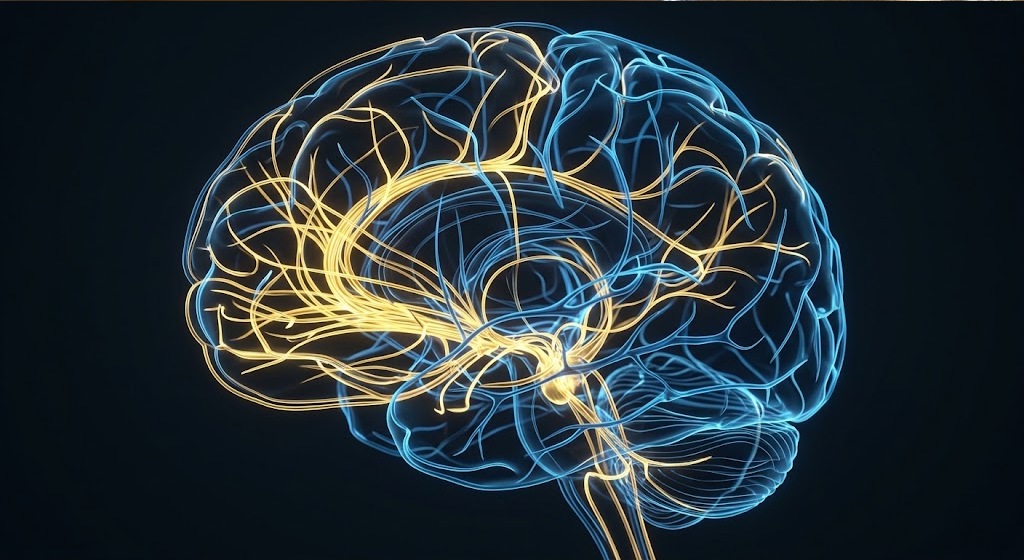
Neurogenesis: Building New Brain Cells Throughout Adulthood
For many decades, conventional medical dogma asserted that the adult human brain possesses a fixed, unchangeable supply of neurons that steadily dwindles with age. Contemporary neuroscience has completely dismantled that limitation, proving that the human brain actively produces functional new neurons throughout adult life, predominantly in the subgranular zone of the dentate gyrus. This ongoing regenerative process, known as adult neurogenesis, directly influences cognitive flexibility, emotional resilience, pattern separation, and resistance to depressive states. Retinoic acid functions as a fundamental biochemical master switch that reliably signals resting neural stem cells to differentiate into mature, fully integrated adult neurons.
When retinoic acid binds to specialized progenitor cells, it initiates lineage commitment and directs every critical phase of structural maturation. These developing neuroblasts progressively extend functional axons and dendritic trees toward adjacent neural networks, securely weaving themselves into pre-existing functional circuits. Insufficient biological availability of this fat-soluble driver stalls progenitor cell division and differentiation, leaving the dentate gyrus struggling to replace aged, damaged, or exhausted cells over time. Supporting this pathway helps guarantee continuous cellular regeneration in the brain, providing a sturdy biological foundation for lifelong skill acquisition, robust mood resilience, and sharper everyday intellectual processing.
- Stem cell activation: Retinoic acid encourages dormant neural progenitor cells to exit their quiescent state and transition into active neuronal lineages.
- Axonal guidance: Maturing young neurons utilize retinoid gradient cues to extend functional axons accurately into pre-existing regional circuits.
- Functional survival: Sustained physiological retinoid exposure significantly elevates survival rates among young neurons as they integrate into active neural networks.
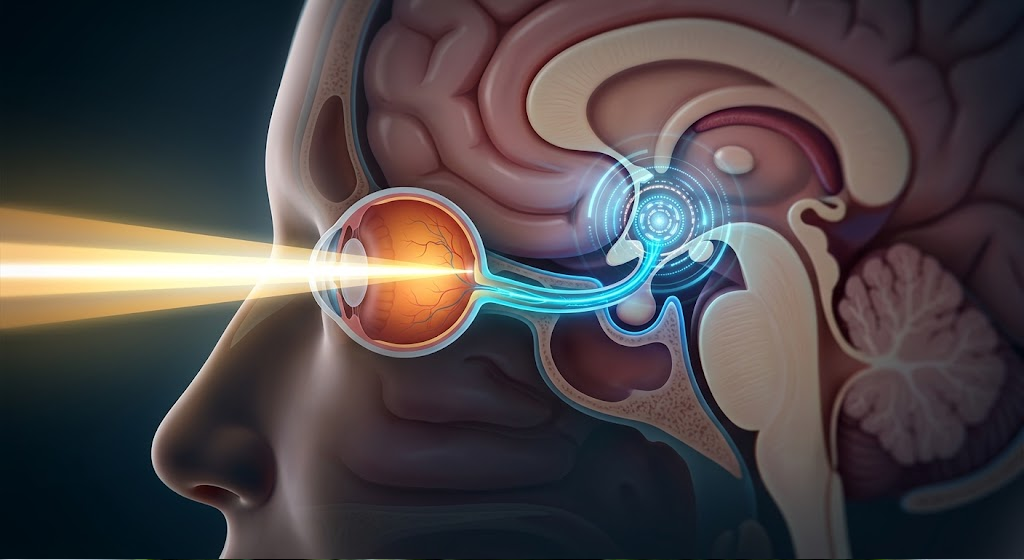
Balancing Dopamine and Serotonin for Emotional Resilience
Neurotransmitters directly govern your daily baseline motivation, stress tolerance, emotional stability, and overall mental drive, yet their synthesis, vesicular transport, and receptor sensitivity depend upon master regulatory inputs. Retinoids play an exceptionally pivotal role in regulating the dopaminergic system, especially across brain regions overseeing reward mechanisms, goal pursuit, focused attention, and complex movement planning. Retinoic acid upregulates the direct transcription of tyrosine hydroxylase—the critical rate-limiting enzyme required for ongoing dopamine synthesis—while simultaneously fine-tuning dopamine D2 receptor availability across midbrain and striatal networks.
Beyond dopamine, retinoic acid dynamically shapes the delicate serotonergic pathways responsible for emotional balance, deep contentment, and calm focus under stress. A nuanced, biological equilibrium remains essential here: both clinical deficiency and extreme supraphysiological excess of retinoid signaling can shift delicate neurochemical balances, manifesting outwardly as unexplained irritability, persistent anhedonia, low mood, or sudden drops in intrinsic drive. Establishing steady, physiological levels of active vitamin A provides the robust biochemical scaffolding needed for balanced neurotransmitter synthesis, allowing serotonin and dopamine to support a motivated, optimistic, and emotionally grounded daily state.
- Tyrosine hydroxylase regulation: Retinoid cascades directly activate transcription factors overseeing the rate-limiting enzymatic step of continuous dopamine synthesis.
- Receptor tuning: Intracerebral retinoic acid helps balance dopamine D2 and serotonin receptors, mitigating volatile mood swings, apathy, and low motivation.
- Emotional equilibrium: Balanced retinoid signaling sustains healthy baseline monoamine levels, supporting drive, emotional stamina, and steady psychological wellness.
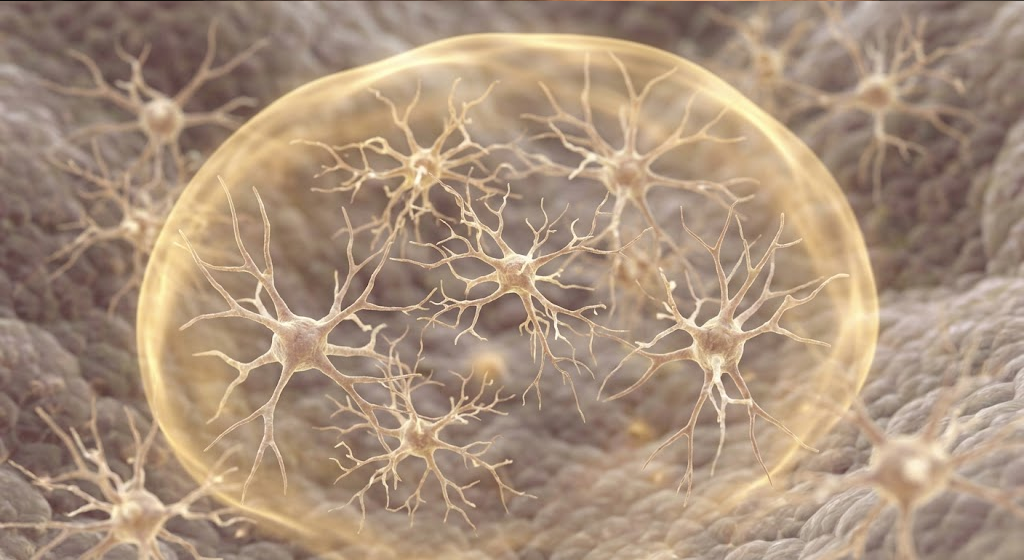
Synchronizing Circadian Clocks and Restorative Sleep
Uninterrupted, high-quality sleep remains the absolute primary biohack for cellular repair, brain waste clearance, and peak daytime cognitive performance. The central conductor of your biological clock, the suprachiasmatic nucleus (SCN), relies completely on precise sensory input from specialized retinal ganglion cells containing the photopigment melanopsin. This specialized photopigment depends fundamentally on constant retinaldehyde availability to sense ambient blue-sky photons, differentiate morning from night, and relay accurate time-of-day signals into your central nervous system. Without continuous active retinoid turnover within the ocular tissue, the brain struggles to perceive natural day-night boundaries accurately.
Beyond the eyes, retinoic acid directly interfaces with the peripheral molecular clock machinery running inside deep cerebral tissue, including the core CLOCK and BMAL1 genes. These interlocking genetic transcription-translation feedback loops dictate core body temperature drops, nocturnal melatonin production, and the precise timing of restorative slow-wave sleep cycles. By reinforcing and stabilizing the internal cellular machinery that paces circadian oscillations, healthy retinoid status helps you fall asleep more naturally, experience deeper regenerative sleep architecture, and wake up with balanced morning cortisol levels for crisp, dependable mental clarity.
- Melanopsin photochemistry: Retinaldehyde chromophores constantly regenerate melanopsin molecules, empowering the eye to sense true circadian light cues.
- Clock gene pacing: Nuclear retinoid signals directly regulate rhythmic expressions of core CLOCK and BMAL1 genes across broad brain regions.
- Nocturnal restoration: Coordinated biological rhythms streamline deeper delta sleep stages, facilitating nightly cerebral glymphatic waste clearance.

Final Thoughts: “The Neuro-Retinoid Link: How Vitamin A Shapes Brain and Mood”
The paradigm of cognitive enhancement is steadily moving away from short-term stimulant spikes and toward optimizing baseline neurobiological architecture. Understanding the intimate link between vitamin A and brain function bridges the gap between fundamental biochemistry and daily high-performance living. Active retinoic acid operates not as a passive cofactor, but as a master epigenetic conductor that synchronizes nuclear transcription, reinforces dendritic architecture, fuels adult neurogenesis, and maintains essential neurotransmitter tone. Neglecting this fat-soluble signaling axis leaves an individual’s cognitive machinery operating with suboptimal genomic instructions, dulling mental clarity, emotional drive, and adaptive plasticity over time.
Integrating this scientific reality into a sustainable wellness strategy requires an intentional, food-first approach centered on bioavailability. Rather than relying on speculative high-dose synthetic supplementation, supporting the central nervous system with nutrient-dense, preformed sources like pastured egg yolks, wild cold-water fish, and ancestral organ meats provides the precise molecular substrate the brain demands. Paired with healthy dietary fats, circadian light exposure, and cofactors like zinc and vitamin D, optimizing retinoid signaling delivers steady, compound biological dividends. By respecting the brain’s internal biochemistry and feeding its genomic repair pathways, you cultivate a resilient neurological foundation built for enduring focus, sharp memory, and long-term cognitive longevity.
- Epigenetic optimization: Prioritizing bioavailable retinoids supplies the master switches required for long-term neuroplasticity and gene expression.
- Systemic synergy: Active metabolites harmonize dopamine turnover, microglial calm, and circadian rhythm alignment across cerebral networks.
- Nutritional precision: Emphasizing whole-food preformed sources over synthetic megadoses safeguards cellular homeostasis and long-term cognitive longevity.


