
Fat-Soluble Vitamins. The foundational pillars of human health rely on a sophisticated group of essential micronutrients known as fat-soluble vitamins. Unlike their water-soluble counterparts, such as Vitamin C or the B-complex vitamins, which the body quickly processes and readily excretes via the kidneys, the fat-soluble vitamins—specifically A, D, E, and K—possess a unique chemical structure that allows them to be stored in the liver and adipose tissue for extended periods.
This internal storage capacity is a brilliant evolutionary adaptation, ensuring that the human body can draw upon vital reserves during periods of dietary scarcity or environmental stress. However, this complex storage mechanism also dictates a rigid, non-negotiable rule for their bioavailability: these compounds cannot function, mobilize, or enter your cellular systems without the active presence of dietary fats to act as their primary vehicle.
To effectively utilize these essential compounds, your digestive system must treat them fundamentally as lipids rather than simple nutrients. Without a reliable fatty carrier, these vitamins remain largely inactive, essentially “locked” in the digestive tract and unable to cross the intestinal wall to enter the systemic bloodstream. Understanding the intricate, symbiotic relationship between fat-soluble vitamins and dietary lipids is the absolute first step toward achieving true metabolic optimization. By mastering this biological synergy, you are better equipped to:
- Maximize the total nutritional yield of every meal you consume throughout the day.
- Prevent the onset of sub-clinical deficiencies that often occur despite a seemingly healthy, high-nutrient dietary intake.
- Support long-term cellular vitality, hormone regulation, and structural integrity across all human organ systems.

The Mechanism of Digestion and Absorption
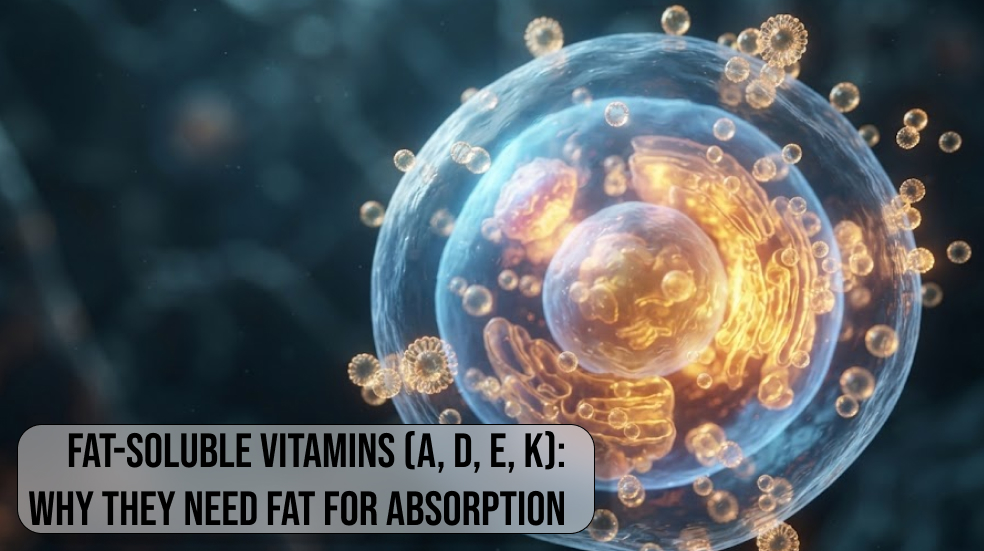
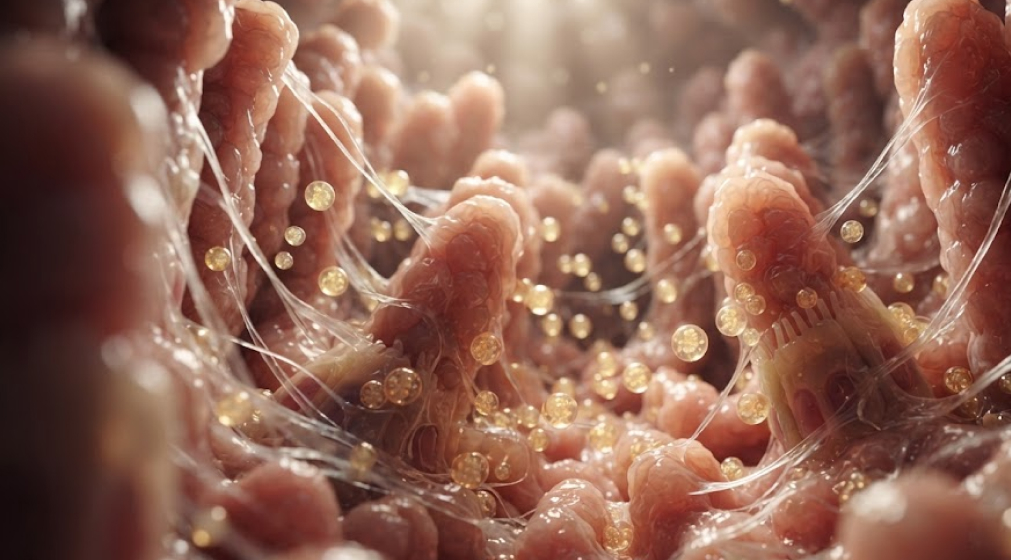
The physiological journey of fat-soluble vitamins begins in the stomach, but their actual absorption is a highly sophisticated, multi-step process occurring primarily in the small intestine. Because these vitamins are inherently hydrophobic—meaning they chemically repel water—they cannot travel freely through the aqueous, fluid-filled environment of your digestive tract. Instead, they require the essential assistance of bile acids, which are synthesized by the liver and stored in the gallbladder. Once food enters the duodenum, bile is released to emulsify dietary fats, breaking them down into microscopic, transportable droplets known as micelles.
This micelle formation is the essential “gatekeeper” process of your digestive system. The vitamins A, D, E, and K dissolve into these tiny lipid droplets, which then facilitate their safe transport to the surface of the intestinal mucosal cells. Once inside these cells, they are packaged into chylomicrons—complex transport vehicles made of proteins and dietary fats—which then enter the lymphatic system and eventually flow into the bloodstream to be delivered to tissues. Without this precise, lipid-dependent delivery system, the vitamins are simply discarded by the body as waste. This intricate process explains precisely why:
- Consuming vitamin-rich vegetables alone, such as lean greens or carrots, provides almost zero long-term nutritional benefit to your internal systems.
- The quality and volume of your gallbladder’s bile production directly correlate with your ability to maintain optimal vitamin status.
- Restricted low-fat diets often inadvertently create chronic, systemic micronutrient deficiencies that affect energy levels and immune health.

Vitamin A: The Visionary Protector
Vitamin A is a biological powerhouse that performs functions far beyond its well-known, foundational role in maintaining healthy vision. It exists in two primary, highly bioavailable forms: preformed vitamin A (retinol), which is found abundantly in animal products, and provitamin A (carotenoids such as beta-carotene), which is found in colorful plant-based foods. Both of these forms are deeply integrated into the lipid structures of the body. Once successfully absorbed into the bloodstream, vitamin A plays a critical, non-negotiable role in cellular differentiation, complex immune system signaling, and the ongoing structural integrity of the skin and internal mucous membranes.
When you consume high-quality sources of this vitamin, such as liver, pasture-raised eggs, or vibrant vegetables, you are essentially providing the raw building blocks for continuous tissue repair and active infection defense. The reliance on dietary fat for this process is absolute; even a highly pigmented, nutrient-dense carrot will offer negligible beta-carotene if eaten without an accompanying fat source like extra virgin olive oil, avocado, or grass-fed butter. This physiological necessity ensures that your body prioritizes this vitamin only when the nutritional environment is supportive and nutrient-dense. Proper, fat-dependent intake is essential to:
- Strengthen the epithelial barriers that act as your primary defense against external pathogens.
- Support the complex, energy-intensive protein-coding processes occurring in every single cell of your body.
- Maintain the antioxidant health of the retina, which is necessary for long-term clear vision and low-light adaptability.

Vitamin D: The Hormone-Like Essential
Often referred to as the “sunshine vitamin,” Vitamin D is arguably the most complex and clinically significant nutrient on this list because it functions less like a standard vitamin and more like a potent, steroid-based hormone. While the human body can synthesize it through direct skin exposure to UVB rays, many individuals in modern environments must rely on dietary intake or concentrated supplementation. Regardless of the source, once it enters the systemic circulation, it requires fat for every step of its activation, transport, and distribution throughout the various tissues of the body.
Vitamin D regulates the crucial balance of calcium and phosphorus metabolism, which is the primary factor in maintaining bone density and overall muscle strength. However, its influence extends significantly into the immune system and mood regulation, with active receptors for this vitamin found on almost every tissue in the human body. Because it is highly lipid-dependent, taking a supplement with water or on an empty stomach is a common mistake that leads to poor uptake. Understanding the mechanical requirements of this hormone-like nutrient allows you to:
- Optimize bone mineral density and structural health by significantly enhancing calcium absorption rates.
- Modulate systemic, chronic inflammation through targeted immune receptor binding across multiple organ systems.
- Ensure that blood levels remain consistent and robust throughout the winter months when natural sunlight synthesis is unavailable.

Vitamin E: The Guardian of Cellular Integrity
If the other vitamins act primarily as builders and regulators, Vitamin E serves as the ultimate defender of your biological architecture. As a primary, fat-soluble antioxidant, its main duty is to protect the integrity of cell membranes from the constant threat of oxidative stress. Because cell membranes themselves are made of complex lipid bilayers, Vitamin E embeds itself directly within these layers to neutralize free radicals before they can damage the delicate machinery—such as mitochondria and DNA—residing inside the cell. Without sufficient levels of circulating vitamin E, your cells become increasingly vulnerable to the cumulative wear and tear of daily metabolic activity.
The bioavailability of Vitamin E is directly, linearly tied to the total fat content of your meal. Foods naturally rich in this vitamin, such as almonds, walnuts, seeds, and cold-pressed plant oils, often come pre-packaged with their own healthy fats, which is a perfect example of nature’s design for nutrient delivery. However, when consuming high-potency supplements, it is vital to remember the physiological requirement for fat intake to ensure these antioxidants are successfully transported to the tissues that require protection the most. Prioritizing this nutrient through proper pairing helps you:
- Maintain the structural stability and long-term elasticity of the cardiovascular system and arterial walls.
- Protect surface-level skin cells from environmental pollutants and damaging UV-induced oxidative damage.
- Enhance the critical recovery processes of muscle tissue after intense physical exercise or strain.
Vitamin K: The Precision Coordinator
Vitamin K is an essential, underrated nutrient responsible for blood coagulation and bone metabolism, effectively acting as a master traffic controller for calcium throughout the body. It ensures that calcium deposits where it is functionally required—in your bones and teeth—and actively prevents it from accumulating in soft tissues like arteries and kidneys. This dual, regulatory role makes it a fundamental cornerstone of human longevity and long-term cardiovascular health. Vitamin K exists primarily in two active forms, K1 and K2, both of which are strictly dependent on lipid intake for absorption into the lymphatic system.
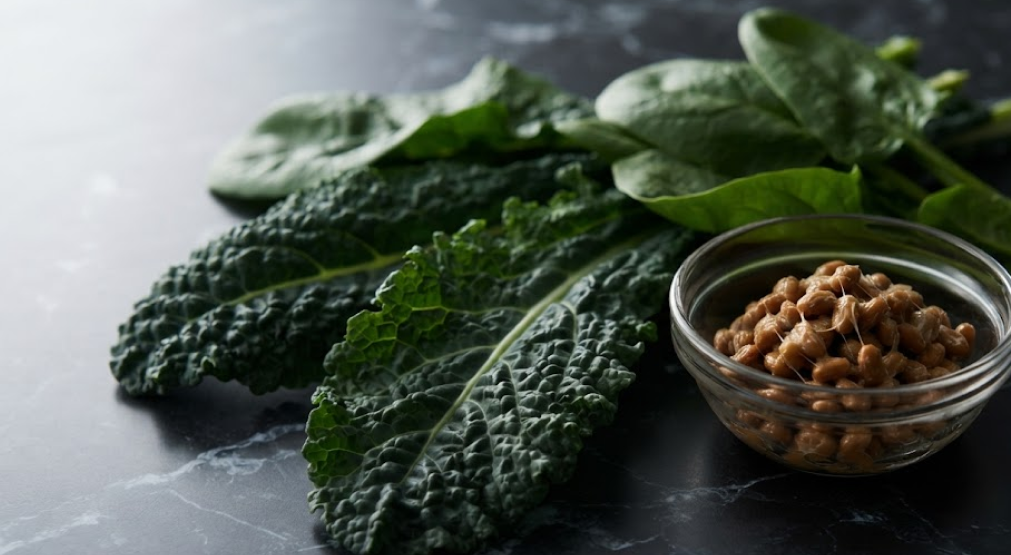
Many people consume dark, leafy greens like kale or spinach, which are rich in K1, but often fail to realize that the bioavailability of these nutrients is significantly boosted when the greens are sautéed in fats like grass-fed butter, ghee, or coconut oil. For K2, which is frequently found in fermented foods or specific animal fats, the absorption is slightly more robust due to the inherent fat content of the food source itself. Recognizing this rigid dependency empowers you to:
- Direct calcium away from the arterial system, thereby improving vascular health and reducing calcification risks.
- Enhance the production of specific proteins required for healthy, efficient blood clotting and wound healing.
- Increase overall bone mineral density by facilitating better calcium utilization in skeletal tissue.
Final Thoughts: “Fat-Soluble Vitamins”
The journey to optimal health is rarely about adding more supplements to your cabinet; it is about refining the biological environment in which those nutrients operate. By shifting your perspective to view fat-soluble vitamins—A, D, E, and K—not as isolated pills but as lipid-dependent messengers, you unlock the ability to truly nourish your body at a cellular level. The “fat-first” approach is a simple yet transformative strategy that turns a basic dietary habit into a powerful tool for longevity and systemic vitality.
Ultimately, the goal is to stop wasting your resources on unabsorbed nutrients and start building a foundation where every micronutrient has the fuel and the transport system it needs to reach its target. Whether it is supporting your immune system with Vitamin D, protecting your cell membranes with Vitamin E, or ensuring structural integrity with Vitamin A and K, the rule remains universal: fat is the key to activation. By embracing this synergy, you align your lifestyle with the fundamental biology of human nutrition, ensuring that you are not just consuming vitamins, but actively utilizing them to support a higher standard of performance and wellness.
As you move forward with your biohacking journey, remember that consistency and bioavailability are the primary drivers of success. Treat your daily nutrition as a precision process, keep your intake of healthy fats balanced, and let your body’s improved markers—from better energy levels to enhanced recovery—be the ultimate proof of your success.
- Evaluate the quality of your dietary fats to ensure they are supporting, not hindering, your absorption.
- Audit your supplement timing to ensure they are synchronized with your most nutrient-dense meals.
- Prioritize long-term consistency over temporary “quick fixes” to achieve sustainable cellular optimization.