
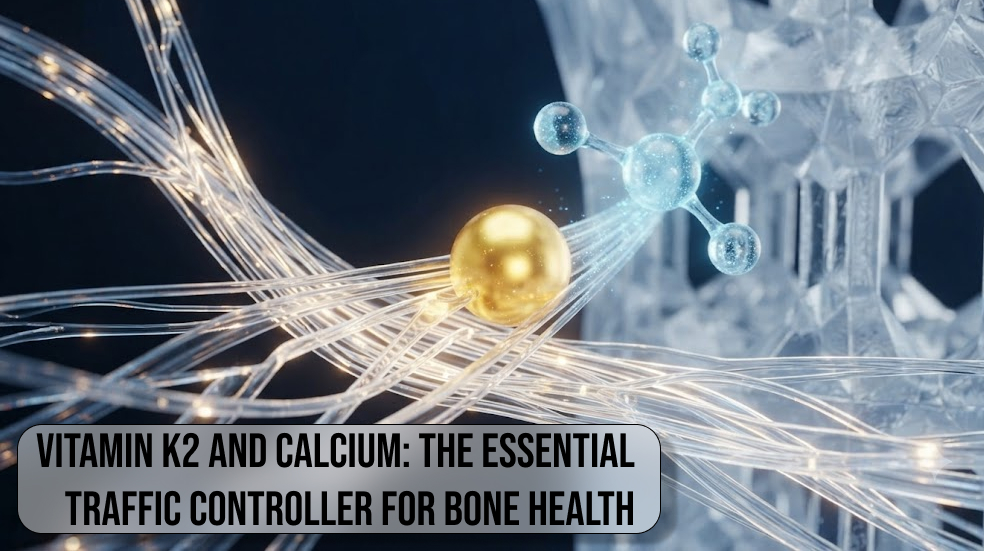
Vitamin K2 and Calcium: The Essential Traffic Controller for Bone Health. Most individuals mistakenly believe that achieving robust skeletal health is a simple equation of consuming more calcium. The popular narrative suggests that if you increase your intake of dairy, fortified plant-based milks, leafy greens, or calcium supplements, your bones will naturally become denser and more resilient.
However, human physiology operates on a much more sophisticated and intricate set of instructions than a simple additive model would imply. Calcium is indeed the primary structural building block for our skeletal framework, but in the context of human biology, it is effectively a “blind” nutrient. Without specific, highly regulated biological signals to guide its journey, it cannot find its way into the bone matrix where it is meant to reside.
This is where the metabolic partnership between calcium and Vitamin K2 becomes absolutely essential for survival and longevity. When you consume calcium, it eventually enters your bloodstream, but its destination is not automatically the skeletal tissue. If the body lacks the proper signaling molecules, that calcium remains in circulation, floating through the vascular system where it poses a significant, often overlooked threat to cardiovascular health. Vitamin K2 serves as the master traffic controller of the human body, acting as a crucial mediator that ensures this mineral is diverted away from sensitive soft tissues and directed specifically toward the bones and teeth, where it is required for structural strength and metabolic health.
- Calcium serves as the foundational structural material for your entire skeletal system.
- Vitamin K2 acts as the definitive regulatory molecule for all calcium metabolism.
- Proper coordination between these two nutrients is vital for maintaining systemic health.
Understanding the Osteocalcin Activation Process
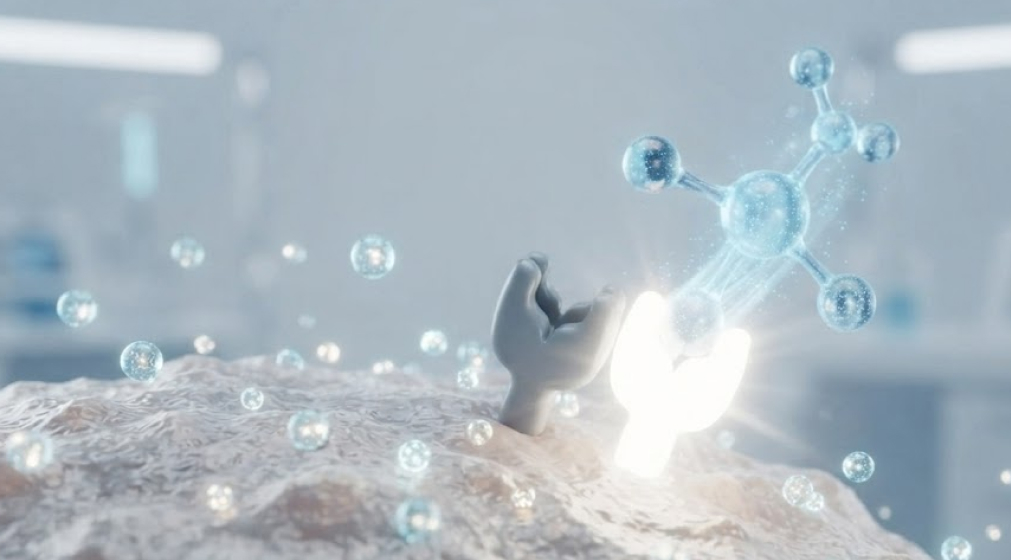
To truly grasp why this process is so delicate and why it requires specific nutrients, one must look closely at the complex cellular machinery involved in bone turnover and remodeling. Our bodies are constantly producing a specialized protein known as osteocalcin, which is secreted by osteoblasts—the primary cells responsible for building new, dense bone tissue. In its initial, raw, and synthesized form, osteocalcin is completely inactive. It floats in the extracellular space surrounding your bones but lacks the chemical ability to latch onto calcium ions or pull them into the bone structure. This renders it essentially useless in the face of structural demand, regardless of how much calcium you have in your diet.
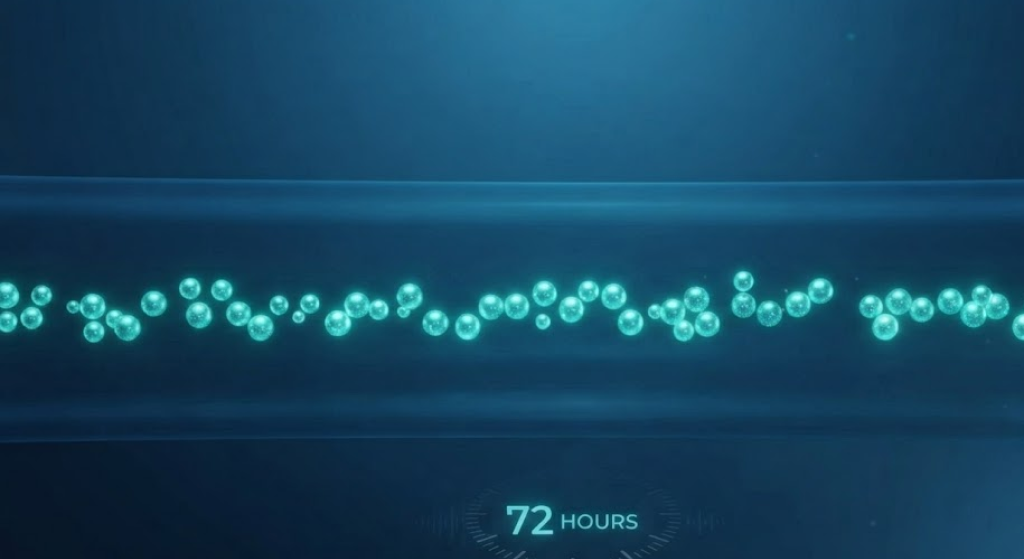
Vitamin K2 is the secret biological key that unlocks the massive potential of osteocalcin. Through a precise biochemical process known as carboxylation, the vitamin modifies the molecular structure of the osteocalcin protein, giving it a high affinity for calcium ions. Once this “activation” is complete, the protein acts like a sophisticated biological magnet. It reaches out into the bloodstream, captures circulating calcium ions with high specificity, and pulls them into the hydroxyapatite crystal structure of the bone. Without this constant, steady supply of Vitamin K2, your bones remain vulnerable and porous because the very mechanism intended to solidify them is effectively switched off at the molecular level, leaving you exposed to the risks of low bone density.
- Osteoblasts produce the precursor protein osteocalcin to initiate bone formation.
- Inactive proteins cannot bind calcium, leading to poor mineralization of skeletal tissue.
- Vitamin K2 triggers the essential carboxylation process to activate these bone-building proteins.
The Danger of Calcium Misdirection
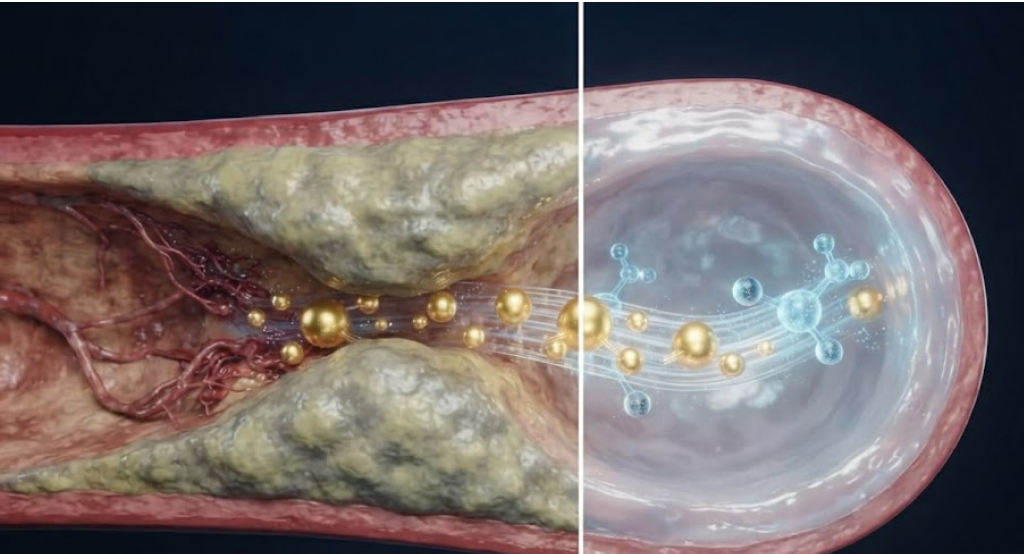
When the body experiences a chronic deficiency in Vitamin K2, the consequences extend far beyond just weak or brittle bones. If the traffic controller is absent or functioning poorly, the calcium you consume—and which has been successfully absorbed into your bloodstream—simply has no clear biological destination. Because it cannot be deposited into the bone matrix due to the lack of activated osteocalcin, it begins to accumulate in the soft tissues of the body. This is a pathological, dangerous process known as soft-tissue calcification, and it is a major, yet often ignored, concern for long-term health and wellness.
Over time, this misplaced calcium can settle in the arterial walls, the heart valves, and even the kidneys, where it creates rigid structures. As calcium crystals form within the delicate, smooth lining of your blood vessels, they cause the vessels to lose their natural elasticity and flexibility. This stiffening of the arteries, often called vascular hardening, forces the heart to work significantly harder to pump blood throughout the body, eventually leading to increased systemic pressure and chronic cardiovascular stress. By prioritizing the consistent intake of Vitamin K2, you are essentially protecting your vascular system from becoming brittle, ensuring that your circulation remains fluid, flexible, and unobstructed as you progress through different stages of life.
- Misdirected calcium often accumulates as hardened plaque within the arterial walls.
- Reduced vascular elasticity contributes to high blood pressure and significant cardiac strain.
- Strategic supplementation keeps calcium locked inside the bones, protecting the heart and arteries.
Matrix Gla Protein and Arterial Protection
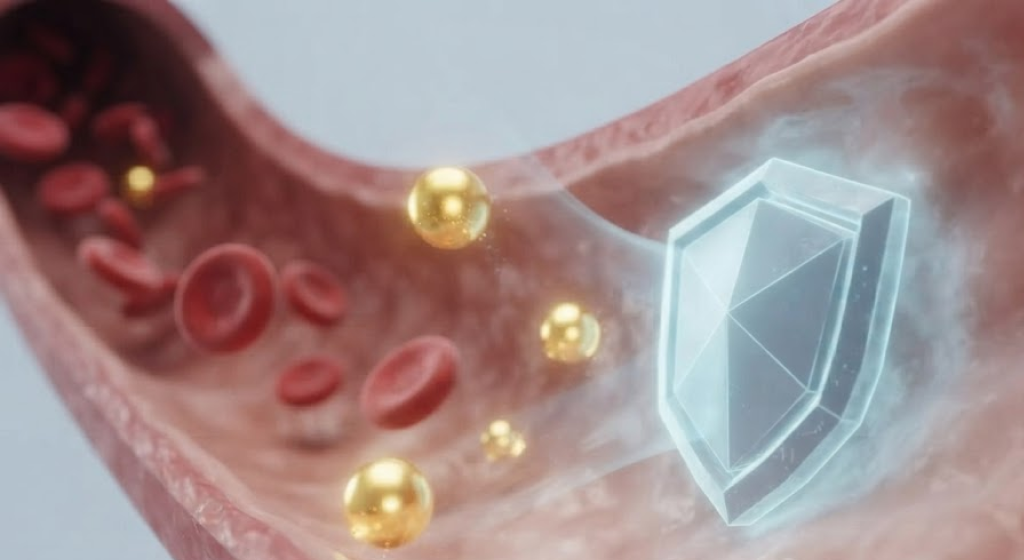
The protection provided by Vitamin K2 is not limited to the skeleton; it also manages a secondary, equally vital defensive protein called Matrix Gla Protein (MGP). If osteocalcin is the “bone builder,” MGP is the “vascular bodyguard.” MGP is found throughout the body, but it is most highly concentrated and active in the walls of our blood vessels and our cartilage. Its primary mission is to prevent calcium from binding to those sensitive tissues and forming jagged, calcified deposits that could disrupt healthy blood flow or joint movement.
Like osteocalcin, MGP is synthesized in an inactive, uncarboxylated state. It sits in the arterial wall, waiting for the chemical signal to perform its duty. Once Vitamin K2 arrives at the scene, it activates MGP, allowing it to bind to any calcium crystals that attempt to sprout in the bloodstream. This active form of MGP physically prevents the calcification of soft tissues, neutralizing the danger at the microscopic, cellular level. This elegant system ensures that your body maintains a clear, sharp distinction between where minerals should be—securely stored in the bone—and where they should never be—in your heart, kidneys, or arterial walls.
- Matrix Gla Protein serves as a powerful, natural inhibitor of tissue calcification.
- Vitamin K2 is the only known biological trigger to activate this critical protein.
- This protection is absolutely critical for maintaining long-term cardiovascular and joint health.
Why Dietary Calcium Is Not Enough
In our modern, standardized approach to health, we are constantly told to boost our calcium intake to extreme levels. We consume fortified cereals, massive quantities of dairy, and mineral supplements, all in the desperate hope of warding off conditions like osteoporosis. However, the data frequently shows that high calcium intake alone does not correlate with a significantly lower risk of fractures or improved structural integrity. This is because we are flooding the “construction site” of the body with bricks while failing to hire the “workers” and “architects” necessary to build the house.
Dietary calcium is merely a raw material, but it requires a complex internal environment to be utilized correctly and safely. If you have low levels of Vitamin K2, those extra grams of calcium are essentially just circulating debris waiting to settle in the wrong places. Many traditional, ancestral diets were naturally rich in K2 through fermented foods and pasture-raised animal fats, but modern, refined diets have stripped these nutrient sources away. Consequently, many people are living in a state of “calcium paradox”—they have plenty of calcium in their bodies but are still losing bone density because they lack the specific metabolic tools to harness that calcium for effective bone growth and repair.
- Increased calcium intake does not guarantee bone density without the right co-factors.
- Nutrient deficiencies limit the body’s ability to utilize consumed minerals efficiently.
- A balanced, intelligent approach requires focusing on the biological activators, not just the raw materials.
The Role of Vitamin D3 as a Partner
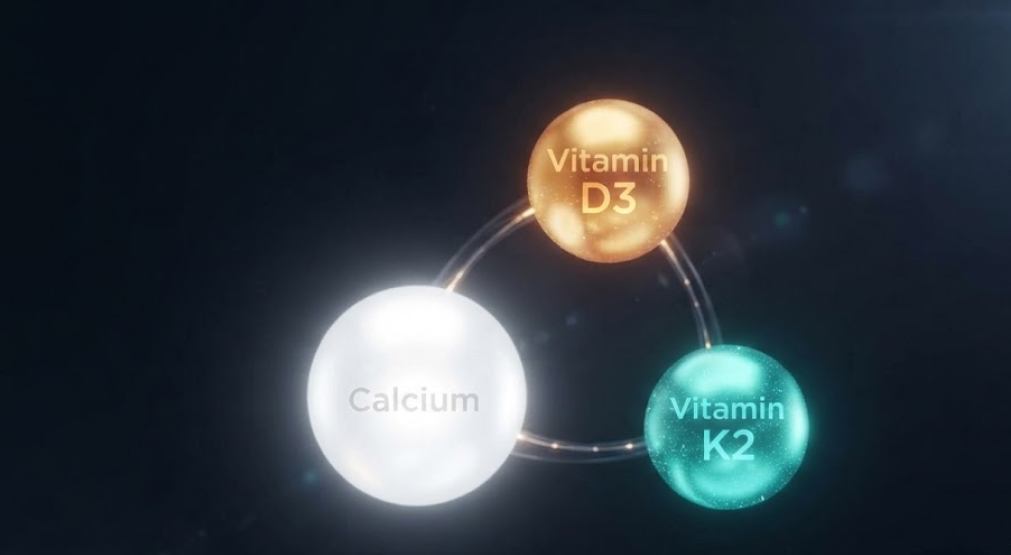
A truly comprehensive strategy for bone health must include the entire “triad” of essential nutrients: Calcium, Vitamin D3, and Vitamin K2. It is a common and dangerous mistake to view these nutrients in isolation. Vitamin D3 acts as the intake manager; it significantly increases the expression of calcium-binding proteins in your intestines, which effectively turns up the volume on how much calcium is absorbed from your diet into your blood. In many ways, Vitamin D3 is the foundational “gateway” nutrient for total skeletal health.
However, increasing absorption without increasing the activation of calcium-handling proteins is a recipe for long-term trouble. If Vitamin D3 is the gas pedal for calcium absorption, Vitamin K2 is the steering wheel that directs that flow. By taking Vitamin D3, you increase the amount of calcium arriving at the destination, which creates an even greater, more urgent need for a traffic controller. Without sufficient Vitamin K2 to manage this increased load, you are essentially asking your body to store more calcium than it has the regulatory capacity to process, which heightens the risk of systemic mineral deposition in the wrong places.
- Vitamin D3 increases the absorption rate of dietary calcium into the bloodstream.
- Increased absorption demand necessitates a higher, more consistent intake of Vitamin K2.
- The synergy of these three specific nutrients is mandatory for safe, effective mineralization.

Final Thoughts on “Vitamin K2 and Calcium: The Essential Traffic Controller for Bone Health”
As we reach the conclusion of this exploration into mineral metabolism, it becomes clear that the path to true longevity is defined by precision rather than excess. Bone health is not merely a numbers game played on a laboratory report, nor is it a simple consequence of calcium consumption. It is a highly orchestrated biological performance where Vitamin K2 serves as the conductor, ensuring every calcium ion reaches its intended destination. By shifting our perspective from isolated nutrient intake to a model of metabolic synergy, we empower our bodies to maintain the structural integrity and vascular clarity necessary for a high-functioning life.
The decision to incorporate Vitamin K2 into your routine is more than a standard health recommendation; it is a fundamental shift toward biological optimization. When you support the activation of osteocalcin and Matrix Gla Protein, you are effectively reinforcing your body’s internal defenses against the silent accumulation of mineral deposits. This proactive strategy allows you to bypass the common pitfalls of aging, ensuring that your skeletal frame remains dense and your cardiovascular pathways remain fluid, regardless of the years that pass. Consistency is the final ingredient in this process, as these regulatory proteins require a steady, daily signal to perform their life-saving duties.
- Optimal health requires moving beyond singular nutrient goals toward integrated metabolic strategies.
- Vitamin K2 is the essential regulator that guarantees calcium supports life rather than causing stagnation.
- A commitment to long-term bone and cardiovascular health is an investment in your future mobility and vitality.