

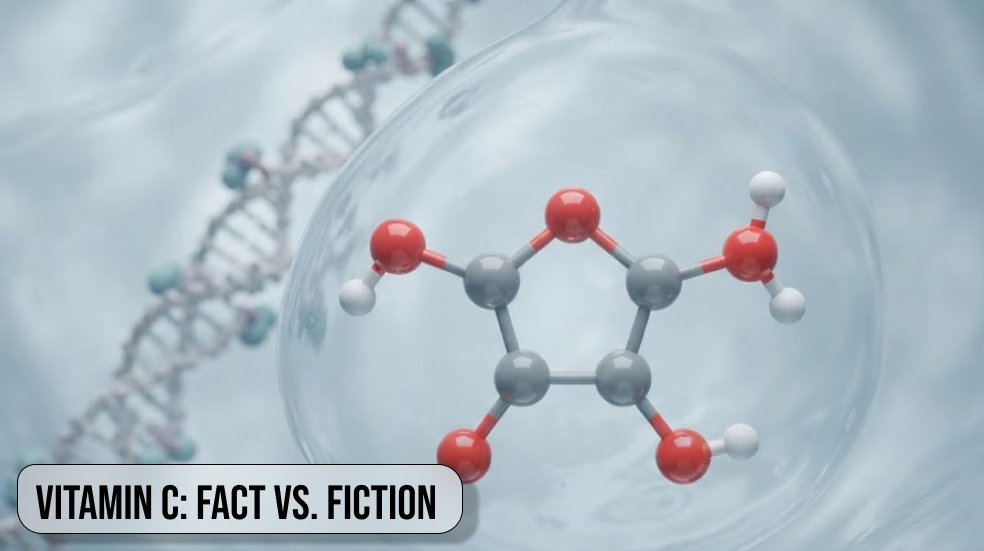
Vitamin C: Fact vs Fiction. Vitamin C, scientifically known as ascorbic acid, serves as a crucial water-soluble micronutrient that the human body cannot synthesize independently. Unlike most mammals, humans lack the enzyme L-gulonolactone oxidase, which is necessary for the endogenous production of this compound. Consequently, dietary intake becomes the sole mechanism for maintaining cellular concentrations required for systemic health. This molecule acts as a potent electron donor, facilitating numerous enzymatic reactions that support metabolic homeostasis and structural integrity.

When discussing the physiological importance of this nutrient, three primary mechanisms stand out for their impact on daily function:
- It serves as an essential cofactor for prolyl and lysyl hydroxylase enzymes, which are vital for the synthesis of mature collagen.
- It facilitates the biosynthesis of carnitine, a molecule responsible for the transport of fatty acids into mitochondria for energy production.
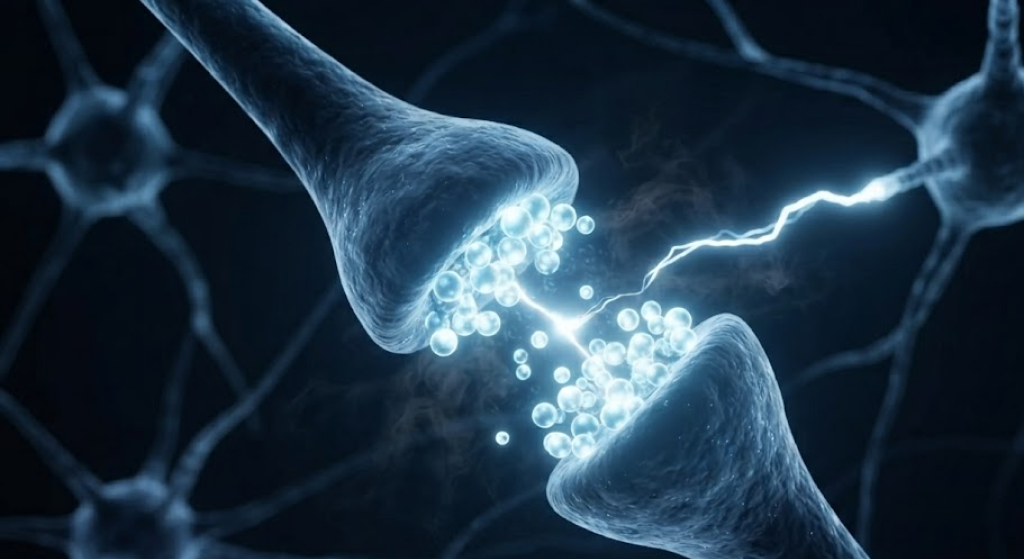
- It supports the synthesis of catecholamines, including norepinephrine and epinephrine, which are critical for cognitive function and stress management.
By prioritizing consistent intake through whole foods or precise supplementation, individuals establish the biochemical foundation necessary for long-term health. Understanding that this nutrient is not merely a seasonal remedy but a constant metabolic requirement is the first step toward effective nutritional optimization and sustained physiological performance.

Beyond Immunity: The Antioxidant Defense System
The reputation of vitamin C as a primary immune system booster is well-documented, yet its role as a premier antioxidant is equally significant. Cellular metabolism inherently generates reactive oxygen species (ROS), which, if left unchecked, lead to oxidative stress and cellular damage. Ascorbic acid effectively neutralizes these unstable molecules by donating electrons, thereby protecting DNA, proteins, and lipid membranes from degradation. This oxidative defense is particularly relevant for those engaged in high-intensity training or those exposed to environmental pollutants that accelerate cellular wear.
To optimize the antioxidant potential of this nutrient, consider how it interacts with other systemic processes:
- It works in synergy with vitamin E, regenerating the latter after it has neutralized free radicals, thus extending the defensive capacity of cell membranes.
- It aids in the stabilization of intracellular redox environments, ensuring that metabolic waste does not compromise mitochondrial efficiency.
- It plays a role in the protection of endothelial cells, which are the gatekeepers of vascular health and blood flow.
When the body experiences physical or mental strain, these antioxidant stores are depleted rapidly. Maintaining adequate levels ensures that the body does not enter a state of chronic oxidative vulnerability. By viewing this compound as a systemic stabilizer rather than a sporadic supplement, one can better mitigate the long-term impact of daily biological stress.
Collagen Synthesis and Structural Integrity
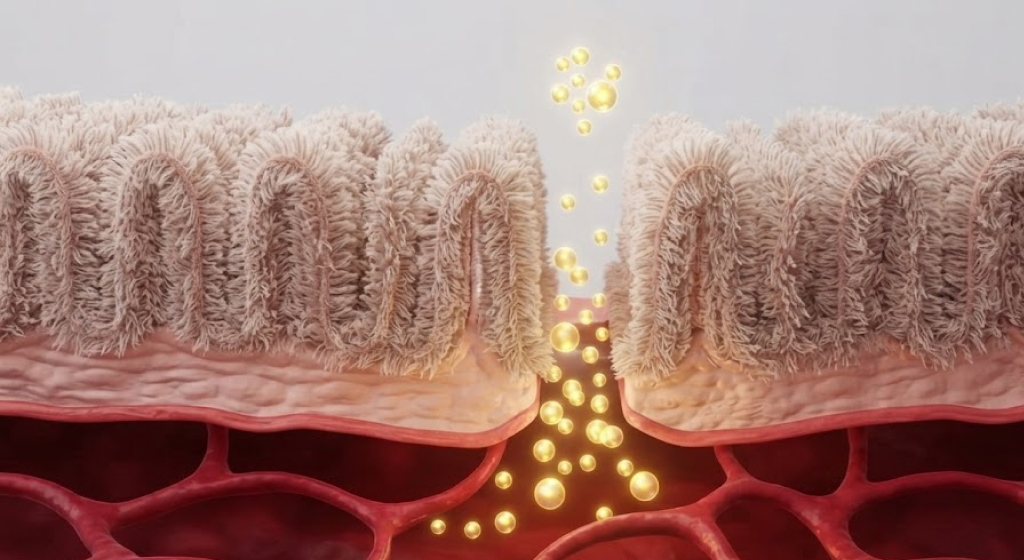
Structural longevity, particularly concerning skin, joints, and ligaments, is heavily dependent on the presence of vitamin C. The synthesis of collagen—the most abundant protein in the human body—is impossible without this nutrient. During the post-translational modification of collagen fibers, ascorbic acid ensures the proper cross-linking of protein chains, which provides tensile strength and elasticity to connective tissues. A deficiency in this pathway is often first manifested as skin fragility or poor wound healing, illustrating the vital link between intake and physical repair.
Regarding the maintenance of the body’s structural framework, three points define the necessity of this nutrient:
- It promotes the formation of mature collagen fibrils, which are essential for maintaining skin firmness and reducing the visibility of fine lines.
- It supports the regeneration of cartilage in joint tissues, which can be critical for individuals focused on mobility and long-term joint health.
- It accelerates the rate of repair for damaged blood vessels, strengthening the capillary walls throughout the cardiovascular system.
For individuals interested in long-term structural health, neglecting this nutrient is essentially putting the body’s repair mechanisms on hold. Consistent availability allows for the continuous turnover of structural proteins, ensuring that the body remains resilient against the physical degradation that typically accompanies the aging process.

Optimizing Bioavailability and Absorption Kinetics
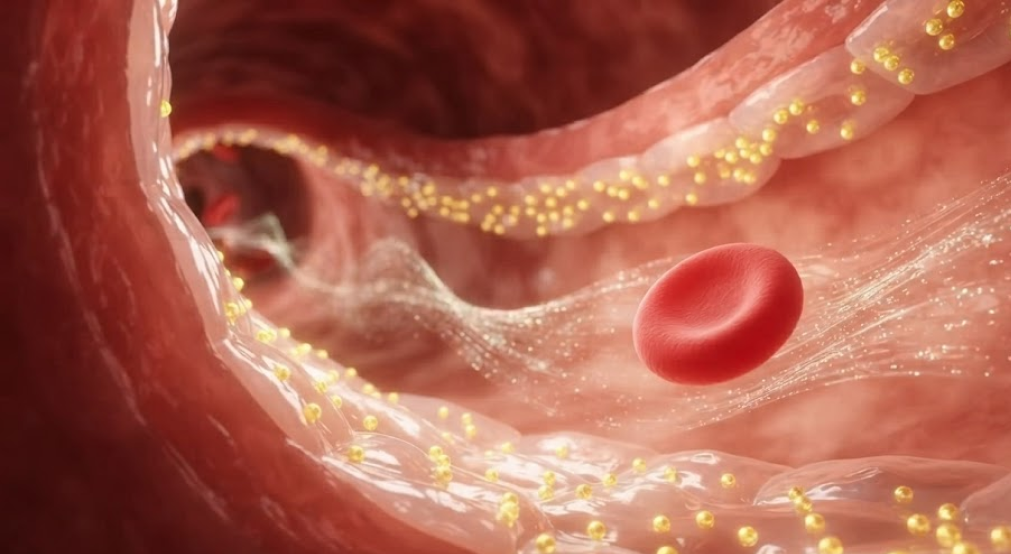
Achieving effective systemic levels of vitamin C involves understanding its unique absorption kinetics. Because it is water-soluble, the body maintains tight control over plasma concentrations through the sodium-dependent vitamin C transporters (SVCTs). Once these transporters reach saturation, any excess intake is rapidly excreted by the kidneys. This physiological reality suggests that small, frequent doses are often more effective at maintaining high plasma levels than a single, massive bolus dose, which may lead to digestive discomfort and poor retention.
When fine-tuning your intake strategy, keep these factors in mind to maximize your biological returns:
- Bioavailability is significantly higher when sourced from whole foods, as these contain plant-based bioflavonoids that enhance absorption.
- Splitting the total daily dose into three or four parts helps bypass the saturation limit of intestinal transporters, sustaining stable plasma levels.
- Avoiding consumption alongside high-heat sources or alkaline substances preserves the integrity of the molecule before it reaches the bloodstream.
By adopting a strategic approach to supplementation, users can move beyond simple consumption and into the realm of true optimization. This level of awareness transforms the act of taking a supplement from a guessing game into a controlled, evidence-based practice, ensuring that the nutrient actually reaches the tissues where it is needed most.
Clarifying the Myth of Megadosing
The debate surrounding “megadosing” vitamin C—taking thousands of milligrams daily—has persisted for decades. While the safety profile of the nutrient is high due to its water-soluble nature, the benefits of extremely high doses are often overstated. Clinical research indicates that once plasma saturation is achieved, the marginal benefit decreases significantly. The focus should shift from reaching extreme quantities to ensuring that baseline requirements are met consistently, as the body does not have the capacity to store significant amounts for long-term use.
To avoid the common pitfalls associated with extreme supplementation, consider these three perspectives on dosage:
- The body’s tolerance threshold for oral intake is usually indicated by digestive sensitivity, which serves as a natural biological marker.
- Consistent, moderate intake is superior to erratic, high-dose consumption because it avoids putting unnecessary strain on the renal system.
- Individual requirements vary significantly based on activity levels, stress levels, and metabolic demand, making “one-size-fits-all” dosing ineffective.
Recognizing the limits of human absorption helps prevent wasteful consumption. Those focusing on biohacking should prioritize consistent delivery methods, as the goal is to provide a steady supply for enzymatic processes rather than overwhelming the system with transient concentrations that the body must immediately discard.
Vitamin C and the Cardiovascular System
Cardiovascular health is deeply influenced by the availability of ascorbic acid. Beyond its antioxidant role, it plays a vital part in the production of nitric oxide, a molecule that regulates blood vessel dilation. Improved vascular function leads to better circulation, which in turn enhances oxygen delivery to tissues and promotes efficient nutrient transport. Furthermore, it supports the regulation of cholesterol metabolism, particularly the prevention of LDL oxidation, which is a key contributor to arterial plaque development.
In the context of heart health, this nutrient contributes to long-term stability through these specific pathways:
- It enhances the functionality of endothelial-derived relaxing factors, supporting healthy blood pressure levels.
- It protects lipid molecules within the blood from oxidative damage, reducing the risk of inflammatory cascades in the arteries.
- It facilitates the conversion of cholesterol into bile acids, which is a necessary step for maintaining optimal lipid profiles.
Integrating this nutrient into a heart-healthy regimen is not about treating disease but about maintaining the structural and functional integrity of the circulatory system. When combined with other foundational habits, it acts as a silent guardian of vascular health, ensuring that the cardiovascular system can handle the stresses of daily life and physical exertion without premature decline.

Final Thoughts: “Vitamin C: Fact vs. Fiction”
As we conclude this exploration, it becomes clear that vitamin C is far more than a simple remedy for seasonal ailments. It is a fundamental pillar of human biology, serving as an essential cofactor for structural integrity, neurological clarity, and cardiovascular stability. Moving beyond the “fact versus fiction” dichotomy, we see that the true value of ascorbic acid lies in its consistent application within a broader framework of metabolic optimization. By understanding that our bodies lack the ability to produce this molecule, we can shift our perspective from viewing it as an occasional supplement to recognizing it as a constant nutritional requirement for maintaining cellular homeostasis.
To finalize your approach to integrating this nutrient into your life, consider these three concluding principles for long-term health:
- Consistency always outperforms intensity; steady, moderate intake provides a superior biological return compared to erratic, high-dose consumption patterns.
- The synergy between whole-food sources and targeted supplementation creates a more robust defensive environment against oxidative stress than relying on isolated compounds alone.
- Biological individuality dictates that your specific requirements may fluctuate based on training volume, stress, and lifestyle, necessitating regular observation of your own physical feedback.
Ultimately, the goal is not to chase a “magic bullet” but to master the small, evidence-based habits that sustain high-level function. Whether you are aiming for improved recovery, better skin elasticity, or sharper cognitive focus, vitamin C provides the reliable biochemical support necessary to achieve those ends. By prioritizing this nutrient, you are essentially investing in the ongoing maintenance of your body’s most critical internal systems, ensuring you remain resilient and efficient at every stage of your life.


