

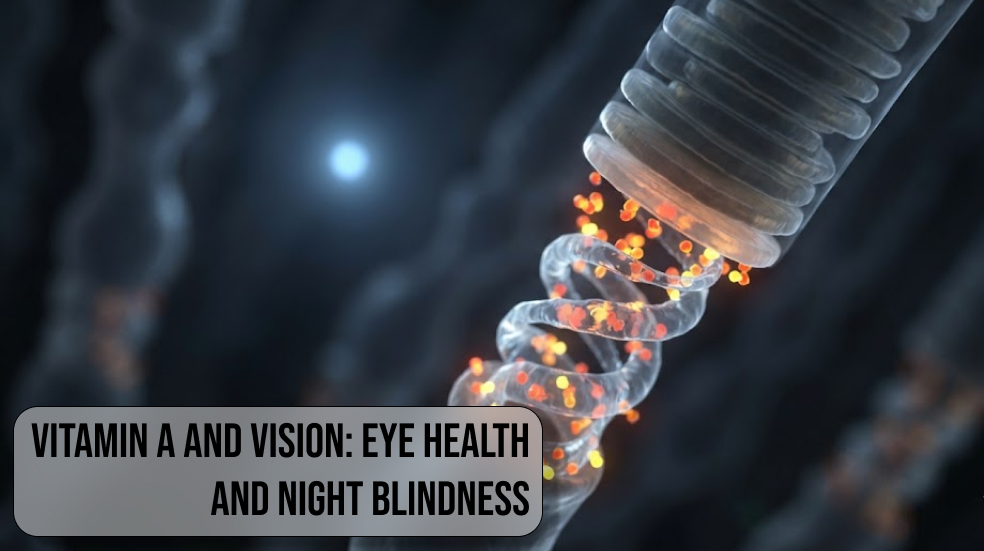
Vitamin A and Vision: Eye Health and Night Blindness. Vitamin A serves as a foundational building block for maintaining optimal visual function across varying light conditions, acting as a critical master regulator for systemic cellular differentiation and specialized tissue maintenance. Within the delicate anatomical structures of the eye, specific derivatives of this vital nutrient bind with specialized opsin proteins to capture incoming light photons with extraordinary precision and speed. Ensuring an adequate daily intake of Vitamin A underpins the entire foundational process of converting physical light waves into electrochemical nerve signals that the cerebral cortex interprets as cohesive, high-definition images.
Without a steady, uninterrupted supply of these specialized biochemical compounds, the complex cellular machinery responsible for everyday visual processing begins to experience severe operational friction, leading to diminished clarity, sluggish neural response times, and progressive degradation of overall ocular performance.
Beyond initial light capture, Vitamin A actively supports the structural integrity and moisture homeostasis of surrounding ocular tissues, ensuring that cell membranes remain stable, flexible, and completely resistant to environmental stressors. It meticulously regulates epithelial cell turnover, ensuring that the protective layers of the cornea and conjunctiva renew themselves efficiently without undergoing abnormal keratinization or scarring. Maintaining this continuous biochemical cellular turnover prevents structural degradation, promotes rapid healing from minor surface irritations, and defends the entire visual system against chronic oxidative stress and inflammatory damage. Every single aspect of daily sight relies heavily on sufficient Vitamin A levels and continuous biochemical maintenance to preserve long-term visual sharpness and robust structural health.
- Specialized retinoid derivatives powered by Vitamin A bond directly with ocular proteins to capture incoming photons effectively.
- Continuous biochemical cellular turnover supported by Vitamin A preserves the structural integrity of surrounding eye tissues.
- Efficient metabolic pathways utilizing Vitamin A prevent operational friction and sustain sharp daily visual performance.

Cellular Mechanics of Photoreception in the Retina
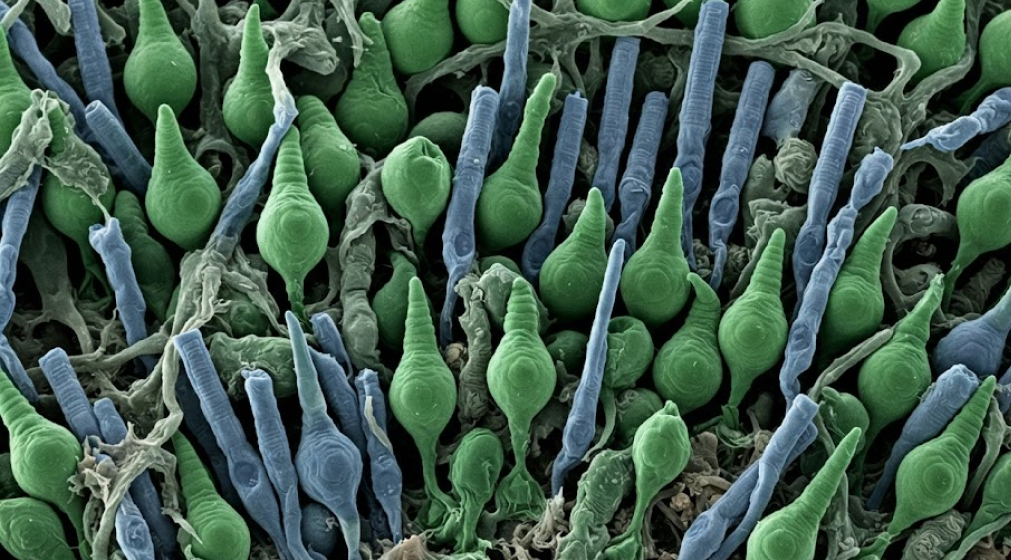
The retina houses two primary types of photoreceptor cells: rods and cones, each responsible for distinct visual tasks that depend heavily on Vitamin A. Cones manage high-resolution color vision under bright illumination, while rods take over in low-light environments. Vitamin A concentrates heavily within these cells, acting as an indispensable cofactor for photopigments. Specifically, the compound transforms into 11-cis-retinal, which combines with opsin proteins to form functional rhodopsin inside rod cells.
When a photon strikes rhodopsin, the molecular structure changes instantly, triggering the neural impulse that travels down the optic nerve. After this activation event, the molecule must detach, travel to the retinal pigment epithelium, and reset back to its original form using stored Vitamin A reserves. This constant recycling loop dictates how fast your eyes can adapt to changing illumination levels. Disruption anywhere along this precise metabolic pathway—often linked to an overall shortage of Vitamin A—directly impairs overall visual acuity.
- Photoreceptor cells depend entirely on continuous molecular recycling driven by Vitamin A to sustain ongoing sight.
- Specialized proteins bond with active retinoid compounds derived from Vitamin A to detect incoming light waves effectively.
- Efficient chemical restoration ensures seamless adaptation when moving between bright and dark environments.

Early Indicators of Depletion and Night Blindness
When systemic reserves of Vitamin A drop too low, the ocular system is among the first to signal distress. The most prominent early warning sign is nyctalopia, commonly known as night blindness, which is directly tied to a functional deficiency of Vitamin A. Individuals experiencing this condition find it exceedingly difficult to navigate dimly lit rooms, drive safely after sunset, or adjust to sudden drops in ambient light. The root cause lies in the inability of rod cells to regenerate rhodopsin quickly enough without adequate biochemical precursors supplied by Vitamin A.
Ignoring these initial visual deficits can lead to a progressive worsening of retinal responsiveness over time. What begins as mild hesitation in twilight conditions can eventually develop into prolonged adaptation periods where vision fails to return to baseline after exposure to headlights or bright lamps. Restoring adequate daily intake of Vitamin A early allows individuals to course-correct before deeper structural damage occurs within the delicate tissues of the eye.
- Diminished rhodopsin regeneration caused by low Vitamin A status directly triggers the hallmark symptoms of night blindness.
- Twilight navigation and nighttime driving become progressively hazardous as systemic reserves of Vitamin A dwindle.
- Prolonged deficiency of Vitamin A accelerates the functional decline of light-sensitive rod cells in the retina.

Protection Against Dry Eyes and Surface Degeneration
Vitamin A supports visual health far beyond the retina to include the external structures responsible for moisture, lubrication, and continuous protection. The cornea and conjunctiva require a constant supply of specialized nutrients to maintain their mucous membranes and prevent abnormal epithelial keratinization. A shortage of these vital compounds causes surface cells to harden and dry out, stripping away the smooth, protective moisture barrier essential for clear light refraction.
This surface degradation manifests as severe dryness, persistent irritation, and a heightened vulnerability to microscopic abrasions that threaten daily comfort. In advanced cases, microscopic spots known as Bitot spots form on the conjunctiva, representing severe cellular damage driven by prolonged tissue neglect. Keeping tissue hydration optimal safeguards the eye against environmental irritants, airborne dust, and bacterial pathogens that constantly challenge daily ocular health.
- Mucous membrane integrity relies on steady nutrient delivery to prevent surface hardening and cellular damage.
- Protective moisture barriers safeguard the cornea against irritation, airborne dust, and environmental stressors.
- Adequate systemic support stops the formation of dry, damaged patches on the conjunctiva over the long term.
Dietary Sources and Optimal Bioavailability Pathways
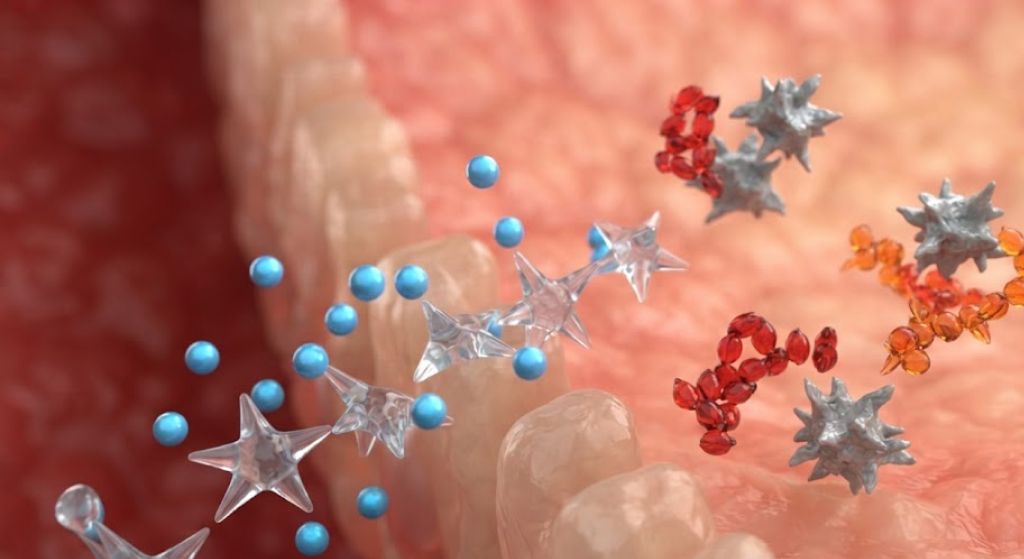
Acquiring sufficient levels of Vitamin A requires understanding the distinct biological forms found in nature and how human tissues process them. Preformed variants, known as active retinoids, exist primarily in animal-based foods and offer immediate usability for human tissues without requiring complex metabolic alterations. Conversely, plant-based precursors like carotenoids must undergo enzymatic conversion within the body before they can participate in visual cycles. Recognizing these metabolic differences helps individuals design effective daily nutrition strategies tailored to their unique physiology.
Absorption efficiency depends heavily on dietary fat intake, as these molecules require lipid carriers and bile salts for proper transport across the intestinal wall. Factors such as gut health, digestive enzyme output, and liver function also influence how effectively raw ingredients transform into usable biological fuel. Optimizing these foundational pathways ensures that consumed nutrients reach target ocular tissues efficiently without unnecessary metabolic waste.
- Animal-based food sources provide direct, active compounds that require minimal bodily conversion for immediate utilization.
- Plant-derived carotenoids depend on enzymatic transformation steps before supporting visual health pathways in the body.
- Dietary lipids and healthy bile production are mandatory for efficient intestinal absorption processes across the gut wall.
Balancing Intake Levels to Avoid Toxicity Risks
While maintaining robust daily levels of Vitamin A is critical for sharp vision, excessive accumulation introduces distinct physiological hazards that must be managed carefully. Because this specific nutrient is fat-soluble, the body stores surplus amounts within specific organs rather than excreting them through standard waste channels. Overzealous supplementation using high-dose synthetic capsules can overwhelm liver storage capacity, leading to a complex condition known as hypervitaminosis.
Chronic overconsumption triggers adverse effects that range from mild skin irritation and joint discomfort to severe intracranial pressure and metabolic stress. Paradoxically, extreme toxicity can also impair overall biological efficiency, disrupting the very visual pathways it aims to protect. Emphasizing whole-food sources and maintaining sensible nutritional boundaries prevents accidental overload while delivering steady, reliable support for long-term eye health.
- Fat-soluble storage characteristics mean excess intake accumulates within liver tissues over extended periods of time.
- High-dose synthetic supplementation carries a legitimate risk of inducing hypervitaminosis complications and systemic stress.
- Balanced daily habits protect against metabolic overload while sustaining steady ocular performance across a lifetime.

Final Thoughts on “Vitamin A and Vision: Eye Health and Night Blindness”
The journey toward preserving optimal visual clarity and lifelong ocular health is deeply rooted in understanding the foundational biochemistry of Vitamin A. Throughout this comprehensive overview, we have explored how specific retinoid compounds drive the intricate mechanics of light capture, cellular regeneration, and retinal adaptation. Vision is not merely a passive sense; it is an active, highly demanding metabolic process that relies on a continuous, balanced supply of vital nutrients to protect delicate tissues from oxidative stress, surface degradation, and premature functional decline.
Achieving and maintaining this delicate physiological balance requires a thoughtful, measured approach to daily nutrition and lifestyle management. Relying on whole-food sources, healthy dietary fats, and synergistic cofactors ensures that the body receives and utilizes these essential elements efficiently without triggering the hazards of over-supplementation or toxicity. By respecting the intricate pathways that govern night vision, corneal moisture, and retinal resilience, individuals can proactively safeguard their sight against the gradual wear and tear of aging and environmental stressors.
Ultimately, treating eye health as an intentional, ongoing daily practice rather than a reactive afterthought empowers you to maintain sharp, comfortable vision for decades to come. Small, consistent choices—from prioritizing nutrient-dense meals to minimizing chronic lifestyle inflammation—accumulate into profound long-term benefits for your entire visual system. Embracing this proactive mindset guarantees that your eyes remain resilient, clear, and fully capable of navigating every phase of life with absolute visual confidence.
- Intentional daily habits build a powerful, lasting shield against age-related visual fatigue and degeneration.
- Mindful nutritional balance protects the entire ocular system from both deficiency and toxic overload.
- Proactive lifelong care ensures enduring visual clarity, comfort, and confidence across all stages of life.


