
Methylated vs Synthetic Vitamin B Forms and Absorption. Understanding how essential nutrients fuel cellular metabolism is foundational to modern biohacking and functional wellness. The Vitamin B family represents a crucial group of eight distinct, water-soluble micronutrients that orchestrate energy production, mitochondrial efficiency, and neurological performance throughout the human body. However, consuming these nutrients through whole foods or oral supplementation does not automatically guarantee cellular delivery. The true physiological outcome relies on vitamin B absorption kinetics within the intestinal lining, where specific biochemical structures determine whether a micronutrient is readily imported into the bloodstream or largely discarded through renal clearance pathways.
When evaluating modern dietary supplementation, bioavailability serves as the central metric for health optimization. High bioavailability means that an active compound enters systemic circulation rapidly without requiring complex biochemical conversion steps inside the liver or kidneys. Standard commercial supplements frequently deliver inactive precursor molecules that tax cellular resources before providing any tangible wellness benefits. For individuals striving to optimize mental focus, physical stamina, and long-term metabolic health, choosing biologically active coenzymes over synthetic counterparts ensures that every dose of Vitamin B directly supports daily physiological demands without inducing metabolic fatigue or receptor competition.
- Cellular energy synthesis: Supporting the direct enzymatic conversion of dietary carbohydrates, lipids, and proteins into usable adenosine triphosphate (ATP) molecules within the mitochondria using active Vitamin B cofactors.
- Neurological system preservation: Maintaining healthy structural myelin sheaths and fostering balanced neurotransmitter synthesis across the entire human central nervous system network with bioavailable Vitamin B complexes.
- DNA repair and genomic expression: Facilitating vital methylation reactions necessary for ongoing genomic stability, cellular division, and continuous long-term tissue regeneration through optimal vitamin B absorption.
Synthetic Vitamin B Forms and Their Processing Challenges
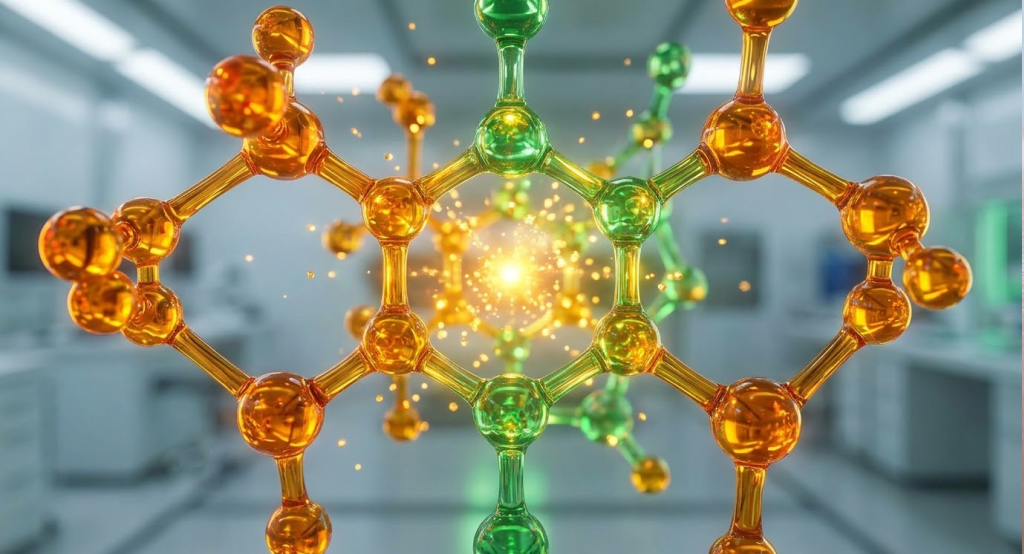
Mass-market pharmaceutical manufacturers overwhelmingly prefer synthetic B vitamins when producing low-cost multivitamins and daily health supplements. These laboratory-created molecules are manufactured to mirror the generic chemical formulas of natural vitamins, offering extended shelf stability, cheap production costs, and high resistance to environmental factors like heat and moisture. However, superficial chemical similarity does not equal biological equivalency. The human body does not recognize synthetic precursor molecules as active coenzymes, meaning they cannot immediately participate in metabolic pathways upon passing through the gastrointestinal wall.
Because synthetic compounds arrive as inactive precursor molecules, the liver and peripheral tissues must launch energy-intensive multi-step enzymatic reactions to convert them into usable forms. Every single conversion step consumes vital metabolic energy, cellular cofactors, and precious antioxidant reserves like reduced glutathione. When an individual experiences systemic inflammation, high stress, or sluggish liver function, these conversion cascades slow down dramatically. As a result, un-converted synthetic B vitamins linger in blood circulation, where they can physically saturate cellular transport receptors, block natural nutrient binding, and lead to poor therapeutic outcomes compared to pre-activated coenzymes.
- Folic acid challenges: An artificial, oxidized synthetic variant of Vitamin B widely added to enriched grain foods that often saturates hepatic conversion capacity and lingers in blood plasma.
- Cyanocobalamin limitations: A synthetic form of Vitamin B12 bound to a cyanogenic molecule, forcing human cells to expend metabolic energy to remove cyanide before utilizing the cobalamin core.
- Pyridoxine hydrochloride issues: A common synthetic precursor of Vitamin B6 that requires extensive hepatic enzymatic conversion into active pyridoxal-5-phosphate before aiding neurotransmitter production.

The Science Behind Methylated Vitamin B Derivatives
In stark contrast to inactive synthetic precursors, methylated B vitamins arrive pre-configured with active methyl groups ($CH_3$) attached directly to their molecular structures. Methylation is a primary biological process that occurs trillions of times per second inside every human cell, governing gene transcription, phase-two liver detoxification, and neurotransmitter balance. When supplements provide Vitamin B molecules that are already methylated, the gastrointestinal tract absorbs them cleanly into systemic circulation. This allows active coenzymes to enter cellular metabolic pathways instantly, completely bypassing energy-draining conversion steps within the liver.
The practical advantages of adopting bioavailability of methylated vitamins extend to every level of human physiology. Because these bio-identical coenzymes perfectly mirror the molecular configurations natural to human biology, cellular transport channels import them without metabolic friction. This efficient transport mechanism prevents physiological waste, reduces renal excretion rates, and sustains stable intracellular nutrient levels over extended periods. For biohackers seeking optimal physical resilience, active methylated Vitamin B formulas deliver predictable cellular energy, sharper cognitive performance, and steady nervous system support without burdening internal metabolic resources.
- L-5-Methyltetrahydrofolate (L-5-MTHF): The biologically active, naturally occurring coenzyme form of Vitamin B9 engineered for immediate cellular absorption and direct metabolic integration.
- Methylcobalamin active power: The bio-identical, pre-activated form of Vitamin B12 essential for protecting nerve myelin sheaths, enhancing brain cell metabolism, and supporting DNA repair.
- Pyridoxal-5-Phosphate (P-5-P): The metabolically active coenzyme form of Vitamin B6 required for neurotransmitter synthesis, glycogen breakdown, and amino acid metabolism.

The Impact of the MTHFR Gene Mutation on Vitamin B Absorption
An individual’s unique genetic code plays a critical role in determining how effectively their body processes nutrients, especially within the essential Vitamin B cascade. The methylenetetrahydrofolate reductase enzyme, encoded by the MTHFR gene, is responsible for transforming inactive folates into functional methylfolate. However, single nucleotide polymorphisms within this gene—such as the widespread C677T and A1298C variants—are common across global populations. Individuals carrying these genetic mutations suffer from a drastic reduction in enzyme efficiency, often converting synthetic precursors up to seventy percent less effectively than those with standard genetic profiles.
When people with an MTHFR gene variant consume standard synthetic B vitamins, the metabolic conversion pathway hits a severe bottleneck. Unmetabolized synthetic folic acid accumulates in blood plasma, competing directly with natural folates for cell receptor sites while failing to provide necessary active methyl groups. Upgrading to a specialized methylated B-complex supplementation routine bypasses this genetic roadblock completely. Delivering ready-to-use active coenzymes empowers individuals with genetic enzyme deficits to maintain efficient cellular methylation, balance toxic metabolic byproducts, and support neurological health regardless of inherent genetic limitations.
- Mitochondrial fatigue mitigation: Overcoming chronic energy deficits caused by impaired Vitamin B methylation cycles and diminished adenosine triphosphate production inside cells.
- Homocysteine balance restoration: Reducing systemic cardiovascular risks by facilitating the conversion of toxic homocysteine into protective methionine via active Vitamin B cofactors.
- Neurotransmitter stabilization: Restoring healthy brain chemistry by supplying bioavailable methyl donors necessary for synthesizing serotonin, dopamine, and norepinephrine.
Comparing Folic Acid and Methylfolate (Vitamin B9)
Analyzing the practical differences between folic acid vs methylfolate highlights core principles of functional biohacking and modern nutritional science. Synthetic folic acid is an oxidized chemical compound created in commercial laboratories that does not exist naturally in human biochemistry. Once ingested, it relies on the hepatic enzyme dihydrofolate reductase for conversion into usable folate. However, human liver tissue possesses a notoriously low capacity for this specific conversion step, meaning even standard dietary doses of synthetic Vitamin B9 easily overload hepatic enzymes, resulting in un-converted synthetic molecules circulating throughout the cardiovascular system.
Conversely, bio-identical methylfolate, or L-5-MTHF, provides immediate physiological benefits without stressing hepatic pathways. As the dominant form of natural folate in human blood plasma, active Vitamin B9 freely crosses the blood-brain barrier to support central nervous system metabolism, myelin maintenance, and cellular repair. By donating functional methyl groups directly to the methylation cycle, natural methylfolate keeps toxic homocysteine levels low while promoting continuous cell division and healthy red blood cell formation, making it a vastly superior choice for sustainable biological optimization.
- Unrestricted tissue entry: Bioavailable L-5-MTHF passes through the protective blood-brain barrier smoothly without requiring complex hepatic conversion steps or extra cellular energy.
- Clean receptor binding: Bio-identical methylfolate binds cleanly to cell receptors, preventing the receptor blockages associated with high intake of synthetic Vitamin B forms.
- Plasma clearance safety: Utilizing pre-activated coenzymes eliminates the risk of circulating un-converted synthetic compounds that can interfere with natural metabolic pathways.
Cyanocobalamin vs Methylcobalamin (Vitamin B12)
Selecting the most effective form of Vitamin B12 is essential for maintaining cognitive processing speed, supporting peripheral nerve health, and driving red blood cell production. Comparing cyanocobalamin vs methylcobalamin illustrates how small molecular differences dramatically alter biological activity inside human tissue. Synthetic cyanocobalamin consists of a central cobalamin atom bound to a cyanide molecule. Upon absorption, human cells must utilize antioxidant reserves like glutathione to cleave and neutralize the toxic cyanide component before converting the remaining cobalamin into a functional active coenzyme form.
By contrast, methylcobalamin absorption occurs rapidly because the nutrient arrives pre-joined with a functional methyl group that cells can utilize immediately. This active form of Vitamin B12 participates directly in recycling homocysteine into methionine, fueling SAMe production for enhanced mood regulation, stress resilience, and mental sharpness. Combining active methylcobalamin with adenosylcobalamin provides comprehensive support for cellular energy production inside the mitochondria, making bio-identical cobalamins the gold standard for individuals who demand clean, highly effective nutritional support without chemical unwanted byproducts.
- Cyanide-free nutrition: Methylcobalamin supplies pure, biologically active Vitamin B12 without introducing synthetic cyanogenic groups into delicate human circulation.
- Superior intracellular retention: Bio-identical cobalamin forms remain inside human tissues significantly longer, providing sustained metabolic support over extended timeframes.
- Targeted nerve regeneration: Active methylcobalamin specifically supports the ongoing repair, maintenance, and structural protection of complex neuronal myelin sheaths.

Final Thoughts on Methylated vs Synthetic Vitamin B Forms and Absorption
Transitioning from generic synthetic supplements to active, bio-identical methylated nutrients represents one of the most effective upgrades in modern biohacking and preventive healthcare. When cellular metabolism receives ready-to-use coenzymes, the entire human body operates with higher efficiency, reduced oxidative stress, and enhanced mitochondrial energy production. Understanding how individual genetic profiles, such as MTHFR polymorphisms, influence nutrient utilization empowers health-conscious individuals to make informed supplementation choices that deliver measurable results rather than physiological waste.
Ultimately, optimizing vitamin B absorption comes down to aligning daily nutrition with natural human biochemistry. While synthetic B vitamins may offer cheap convenience, they fall far short when evaluated against the superior biological performance delivered by active methylated B vitamins. Investing in high-grade, pre-activated coenzyme formulas ensures that every cell receives the exact molecular tools required for long-term nervous system balance, cognitive focus, and systemic vitality, marking a vital step toward lifelong biological resilience.
- Prioritizing coenzyme quality: Choosing bio-identical active forms over cheap synthetic precursors to maximize cellular utilization across the entire Vitamin B family.
- Empowering genetic health: Bypassing common MTHFR enzyme variations by supplying direct methyl donors that circumvent impaired hepatic conversion pathways.
- Sustaining daily vitality: Cultivating consistent cellular energy, cognitive sharpness, and long-term cardiovascular health through the superior bioavailability of methylated vitamins.