
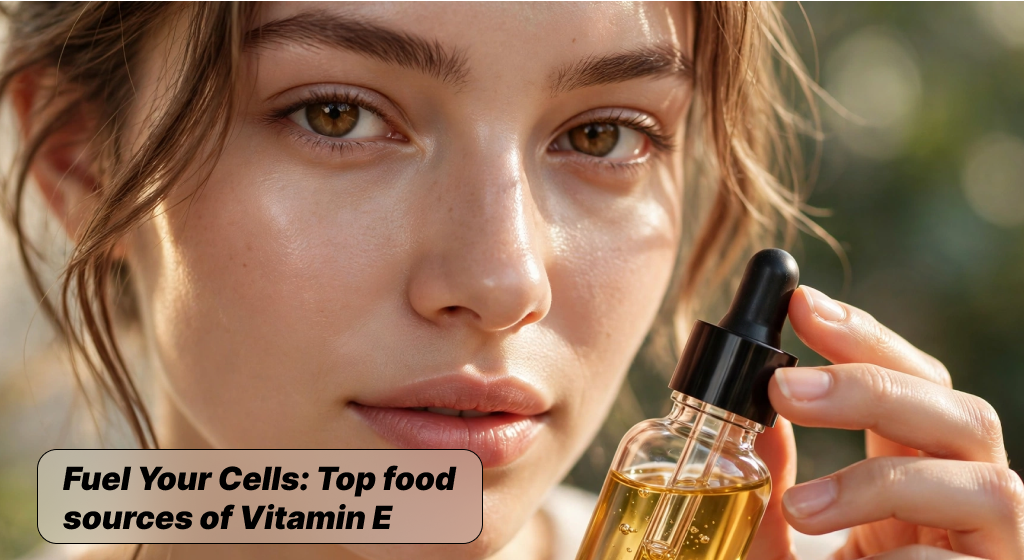
Fuel Your Cells: Top food sources of Vitamin E. Cellular health relies entirely on continuous protection against internal metabolic waste and external environmental stressors. At the microscopic level, every single cell in the human body is wrapped in a delicate, semi-permeable membrane composed of lipids, which must remain structurally sound to regulate nutrient exchange and cellular signaling properly. When highly reactive and unstable molecules known as free radicals roam freely through bodily tissues, they attack these fragile lipid layers, triggering a destructive chain reaction called oxidative stress that compromises cell viability.
Vitamin E functions as the body’s primary lipid-soluble antioxidant defense system, stepping in to neutralize these destructive free radicals before they can permanently damage vital cellular components. Without a steady, reliable daily supply of this essential micronutrient, cells rapidly lose their natural resilience, leading to accelerated structural degradation, premature aging, and impaired metabolic efficiency across all major organ systems. Modern biohacking emphasizes that maintaining robust cellular defenses is not just about extending lifespan, but about preserving biological function and vitality at the most fundamental microscopic level.
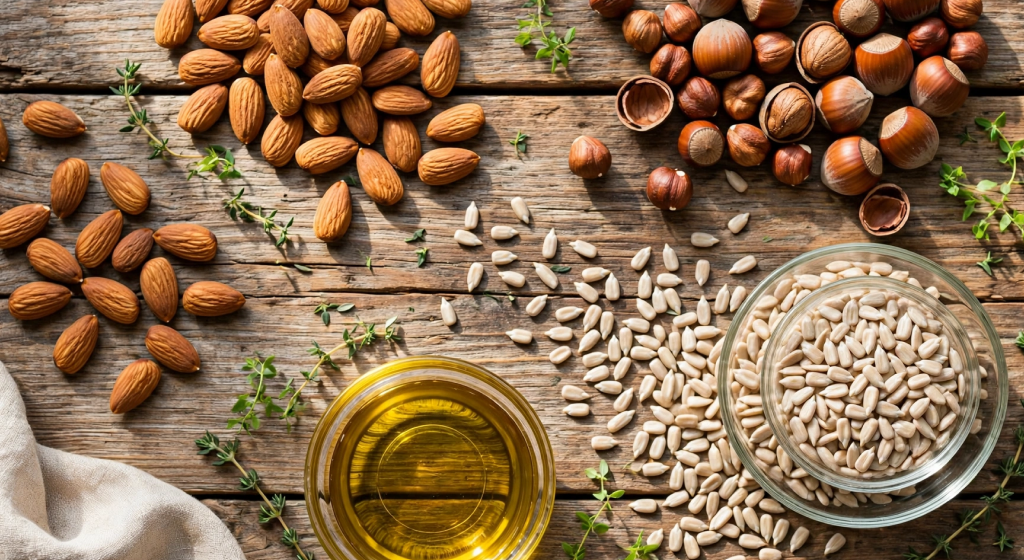
Obtaining sufficient Vitamin E through whole food nutrition rather than synthetic laboratory isolates ensures optimal absorption, systemic transport, and biological utilization by human tissues. Nature brilliantly packages this fat-soluble micronutrient alongside complementary compounds, such as healthy dietary fats, which act as an indispensable biological carrier system to transport the vitamin smoothly across intestinal walls and directly into the bloodstream. Relying on whole-food sources allows the body to regulate plasma concentrations naturally, avoiding the metabolic imbalances often triggered by high-dose synthetic supplements.
- Lipid protection: The compound safeguards delicate cell walls against premature structural destruction.
- Bioavailability pairing: Natural dietary fats enhance the overall absorption rate inside the gut.
- Metabolic stability: Steady intake supports long-term cellular longevity without synthetic additives.
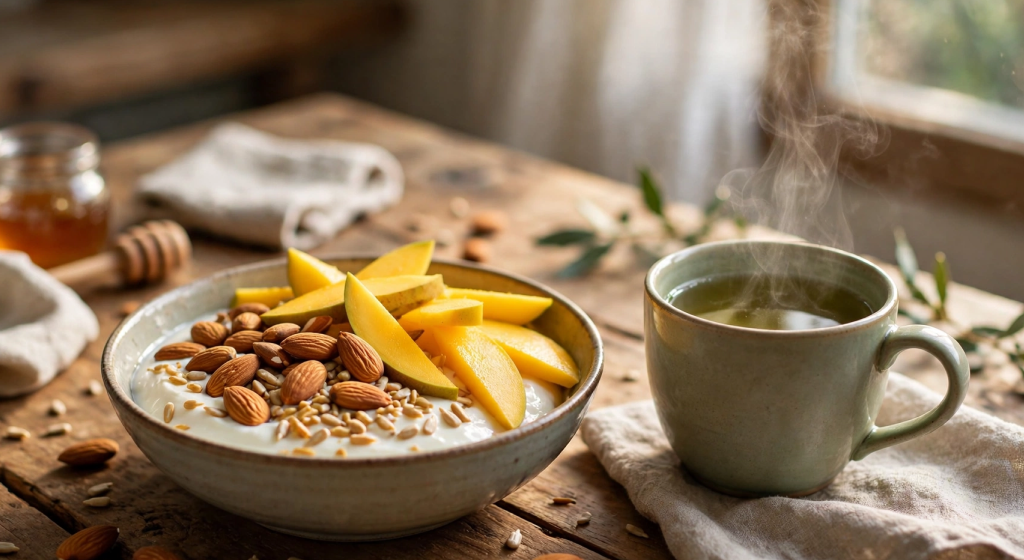
Harnessing the Power of Raw Sunflower Seeds for Vitamin E Enrichment
When evaluating nutritional powerhouse ingredients, raw sunflower seeds stand out as one of the most concentrated, cost-effective, and accessible dietary sources of Vitamin E available in the modern marketplace. A small, unassuming handful delivers a substantial percentage of the recommended daily intake, making them an effortless addition to any serious biohacking or wellness nutritional routine. These tiny seeds pack a dense biochemical matrix of alpha-tocopherol, which is the specific, biologically active chemical form of the vitamin that is preferentially absorbed, retained, and utilized by the human body. Because they require zero culinary preparation or complex processing, they serve as an ideal functional snack for busy individuals looking to upgrade their daily cellular protection profile instantly.
Integrating raw sunflower seeds into everyday meals is remarkably straightforward, requiring only minor, sustainable adjustments to standard dietary habits rather than drastic culinary overhauls. Sprinkling a generous tablespoon over morning salads, blending them into homemade plant-based pestos, or stirring them directly into Greek yogurt creates an immediate and noticeable nutritional upgrade. Furthermore, choosing raw or gently dried variants prevents the delicate polyunsaturated fats and heat-sensitive antioxidant structures from degrading due to excessive industrial or domestic heat exposure.
- Nutrient density: They offer one of the highest concentrations of alpha-tocopherol per serving.
- Culinary flexibility: They blend seamlessly into both sweet and savory everyday dishes.
- Enzyme preservation: Raw options protect fragile fats from heat-induced chemical breakdown.
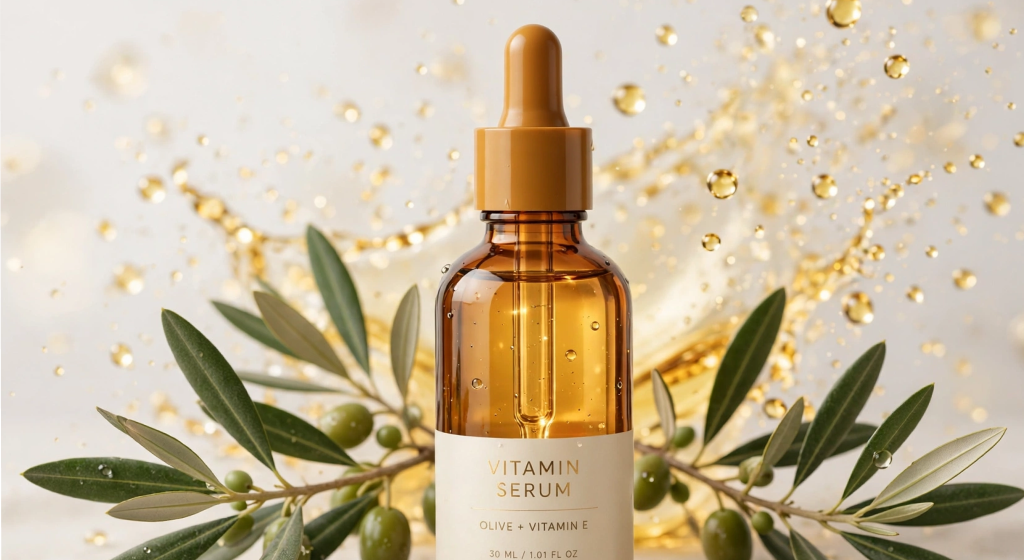
Almonds as a Superior Dietary Shield for Vitamin E Delivery
Almonds have long earned their well-deserved reputation as a premier nutritional vehicle for delivering highly bioavailable Vitamin E straight to human tissues where it is needed most. Beyond their satisfying crunch and rich flavor profile, these nutrient-dense tree nuts provide a perfectly balanced matrix of monounsaturated fatty acids, dietary fiber, and plant-based protein that actively supports overall systemic wellness. The natural fats housed neatly inside the nut structure function as an ideal delivery vehicle, ensuring that the fat-soluble antioxidant compounds are absorbed efficiently during digestion rather than passing through unutilized. Consuming a moderate portion of almonds regularly helps buffer internal tissues against daily environmental pollution, UV radiation, and deep metabolic fatigue.
Making almonds a staple part of an everyday nutritional routine involves simple, consistent habits that prevent palate boredom and maximize micronutrient retention in the gut. Soaking raw almonds overnight in pure water helps break down natural enzyme inhibitors and phytic acid, making the dense inner nutrients significantly easier for the digestive tract to process and assimilate. Alternatively, blending raw almond butter into morning smoothies or oatmeal provides a smooth, easily digestible matrix that fuels continuous cellular repair mechanisms throughout the day.
- Synergistic fats: High monounsaturated fat content guarantees optimal nutrient assimilation.
- Digestive ease: Overnight soaking unlocks dense micronutrients for better cellular uptake.
- Versatile integration: Butters and raw formats fit effortlessly into any dietary schedule.
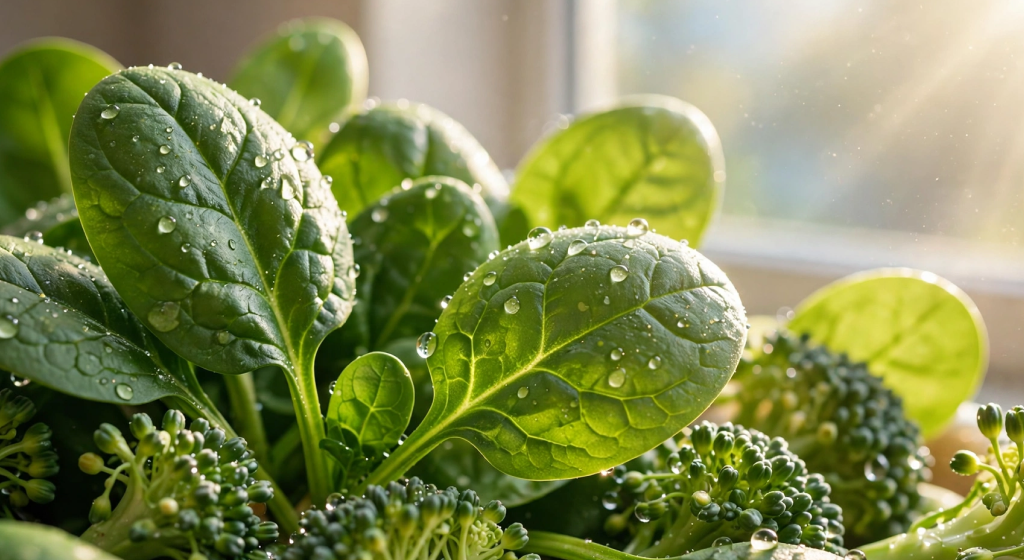
Leafy Greens, Cooked Spinach, and Vitamin E Synergies
While nuts and seeds capture the majority of nutritional headlines, dark leafy greens like spinach offer a valuable and essential secondary tier of dietary Vitamin E. Introducing cooked spinach into regular meal rotations provides a powerful double benefit of micronutrients, supplying both cellular-protecting antioxidants and supportive foundational minerals like iron, calcium, and magnesium. Although raw leafy greens certainly contain beneficial compounds, light cooking or gentle steaming breaks down tough fibrous cellular walls, concentrating the nutrient volume per cup and making it significantly easier for the body to absorb the fat-soluble nutrients present within the plant tissue.
Maximizing the cellular benefits of spinach requires pairing it intelligently with healthy culinary oils that contain complementary lipids to aid digestion. Drizzling high-quality extra virgin olive oil over sautéed greens bridges the absorption gap, supplying the necessary fat medium required to drive the antioxidant compounds safely across the intestinal lining. This simple, science-backed culinary practice transforms a basic vegetable side dish into a potent functional tool for ongoing cellular maintenance and protection.
- Concentrated volume: Gentle cooking reduces water content to maximize nutrient density per serving.
- Lipid pairing: Combining greens with quality oils bridges the absorption gap.
- Synergistic minerals: Provides essential magnesium and iron alongside protective antioxidants.
Avocados for Enhanced Daily Vitamin E Uptake and Absorption
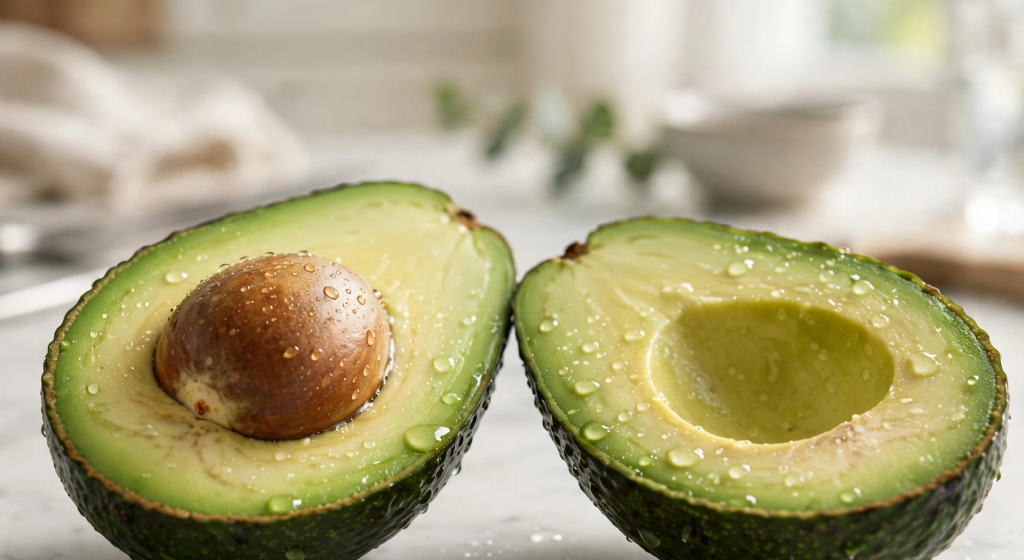
Avocados represent a truly unique category in the produce aisle, functioning simultaneously as a reliable source of Vitamin E and the ultimate biological vehicle for its transport. The rich, creamy texture of the fruit stems directly from its exceptionally high concentration of beneficial oleic acid, which actively supports healthy blood lipid profiles while safeguarding individual cell membranes from oxidative wear and tear. Eating a fresh avocado supplies a moderate dose of alpha-tocopherol while concurrently providing the exact structural fats needed to ensure complete metabolic absorption of the nutrient during the digestive process.
Incorporating avocados into everyday nutrition requires minimal effort due to their extraordinary versatility in modern cooking and meal preparation. Slicing fresh avocado onto whole-grain sourdough toast, blending it into creamy salad dressings, or dabbing it generously onto vibrant grain bowls elevates the nutritional profile of any meal instantly. Because the fruit is naturally protected by its thick skin and resists rapid oxidation when consumed fresh, it serves as a reliable, whole-food cornerstone for anyone focused on longevity and cellular defense.
- Dual action: Acts as both a nutrient source and a fat delivery mechanism.
- Oleic acid support: Promotes cardiovascular health alongside cellular membrane integrity.
- Culinary adaptability: Enhances the texture and nutritional value of various everyday dishes.
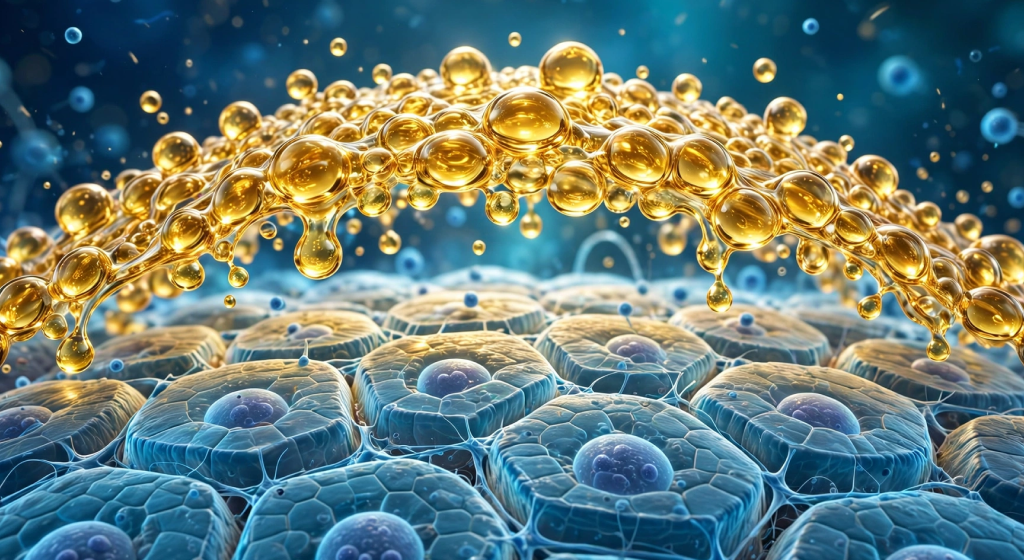
Strategic Plant Oils for Maximum Vitamin E Bioactivity
Cold-pressed plant oils, particularly unrefined wheat germ oil and cold-pressed sunflower oil, represent the absolute zenith of Vitamin E concentration in the entire culinary world. Because these oils are derived directly from the most nutrient-dense portions of grains and seeds, a tiny, measured serving can fulfill daily nutritional requirements effortlessly without adding excessive volume to meals. However, managing how these oils are handled in the kitchen is vital; exposing fragile, high-polyunsaturated oils to high-heat frying can rapidly degrade their molecular structure and destroy the very antioxidants they are meant to deliver.
To harness the true cellular benefits of these specialized oils, they should be utilized exclusively as finishing oils or incorporated cold into dressings and dips. Drizzling a small spoonful of wheat germ oil over finished grain dishes or mixing unrefined sunflower oil into cold vinaigrettes preserves the delicate antioxidant structures intact. This intentional approach protects the chemical integrity of the oil, ensuring that every single drop actively contributes to cellular defense rather than inadvertently contributing to systemic inflammation.
- Peak concentration: Delivers the highest possible dose of alpha-tocopherol per millilitre.
- Cold application: Preserves fragile molecular bonds by avoiding high-heat cooking.
- Finishing utility: Elevates simple recipes while supplying concentrated cellular support.

Final Thoughts on “Fuel Your Cells: Top food sources of Vitamin E”
Embracing a lifestyle centered around cellular preservation through Vitamin E does not demand complicated protocols or drastic lifestyle changes. The secret to long-term vitality lies in consistency, choosing whole, unrefined foods, and understanding how nutrients work together to support metabolic health. By making small, mindful adjustments to your daily meals—such as adding seeds to your breakfast, tossing greens in quality oils, or choosing raw nuts for a snack—you provide your body with the reliable defense it needs. Every conscious nutritional choice builds a stronger microscopic barrier against everyday environmental stress, ensuring that your cells remain resilient, energized, and protected for years to come.
- Incremental success: Small, steady adjustments create lasting physiological benefits without fatigue.
- Nutritional awareness: Prioritizing whole, unprocessed sources maximizes biological potency and safety.
- Empowered longevity: Consistent antioxidant habits safeguard your long-term cellular health from within.