
Vitamin E 101: Facts vs fiction about the antioxidant. Vitamin E often gets generalized as a simple passive shield against cellular damage, yet its true biological reality is far more intricate and dynamic. Rather than being a single chemical compound, this essential Vitamin E nutrient is actually a diverse family of eight distinct fat-soluble molecules split evenly into four tocopherols and four tocotrienols. Understanding this fundamental molecular distinction is vital because each individual form interacts quite differently with human cell membranes and specialized transport proteins throughout the body.
Traditional nutrition views have historically labeled these molecules solely as interceptors of free radicals, but modern biochemistry reveals them to be active regulators of enzymatic activities and gene expression. Recognizing these scientific facts helps cut through commercial exaggeration and highlights how daily Vitamin E truly supports overall physiological balance.
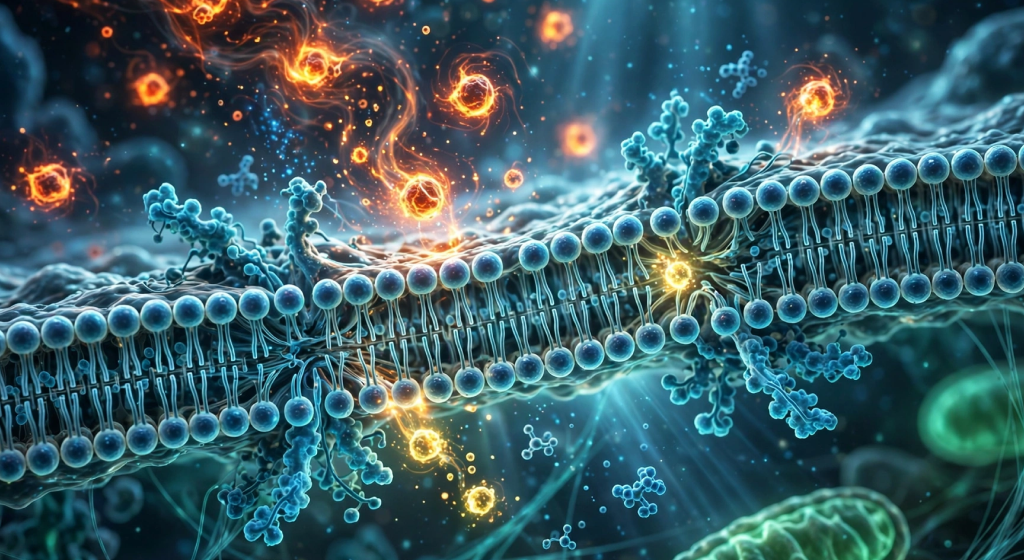
Building upon these molecular fundamentals, researchers continue to uncover new dimensions of how these compounds operate inside human tissues. While the general public often treats nutritional supplements as interchangeable commodities, the biochemical specificity of each isomer demands a more careful approach. By examining the structural differences between individual tocopherols, scientists can better map out how our bodies absorb, distribute, and utilize these essential molecules. This deeper comprehension ultimately shifts our focus from broad marketing claims to precise, science-backed nutritional strategies.
- Eight distinct compounds make up the complete family, divided equally into tocopherols and tocotrienols.
- Cell membrane integration allows fat-soluble molecules to protect lipid structures from oxidative degradation effectively.
- Beyond simple defense, modern biochemistry demonstrates that these nutrients actively modulate intracellular signaling pathways.
The True Mechanisms of Cellular Protection
Cellular integrity relies heavily on how lipids embedded within cell walls manage ongoing oxidative stress, a biological process where Vitamin E antioxidant properties play a central role. Free radicals constantly roam through bodily tissues seeking missing electrons, and Vitamin E donates these particles to neutralize reactive oxygen species before they damage DNA or vital proteins. At the microscopic level, maintaining this continuous defensive barrier requires a constant supply of active molecules to quickly replenish depleted biochemical reserves.
When an alpha-tocopherol molecule of Vitamin E neutralizes a free radical, it temporarily transforms into a less reactive radical form that must be efficiently recycled by other cellular antioxidants. This sophisticated multi-layered cooperation ensures that microscopic defenses remain fully operational even under conditions of severe metabolic pressure or environmental toxicity.
At the microscopic level, maintaining this defensive barrier requires a constant supply of active molecules to replenish depleted reserves. When an alpha-tocopherol neutralizes a free radical, it temporarily transforms into a less reactive radical form that must be recycled by other cellular antioxidants like Vitamin C. This cooperative network ensures that protective mechanisms remain active even under intense metabolic pressure or high environmental stress. Understanding this continuous recycling loop demonstrates why relying on isolated, single-dose mechanisms rarely tells the full story of cellular health.
- Electron donation stops free radicals from stealing stability from healthy cellular components.
- Alpha-tocopherol preference in human plasma ensures targeted defense where metabolic activity runs highest.
- Lipid peroxidation prevention keeps cell membranes fluid, flexible, and fully functional under metabolic stress.
Differentiating Natural and Synthetic Forms
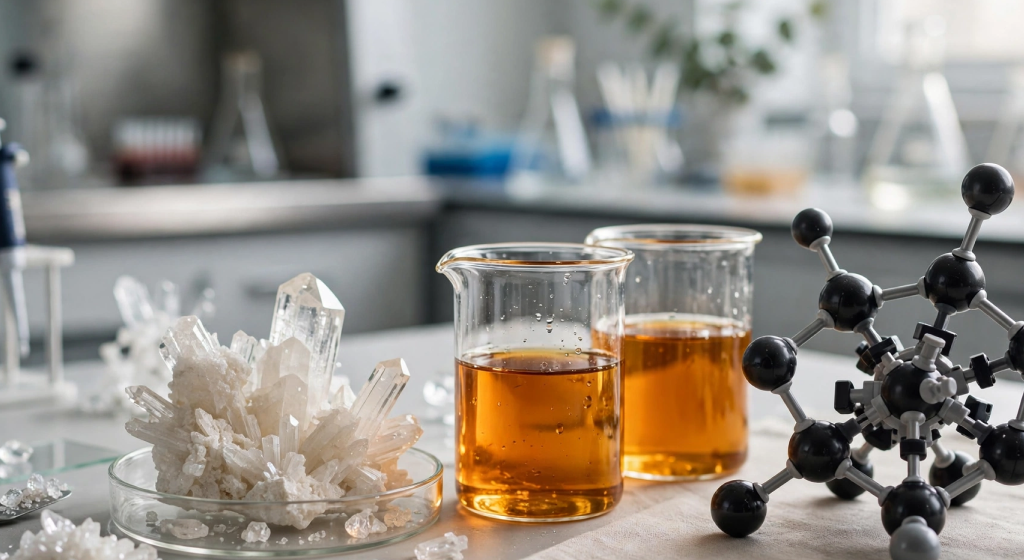
Navigating supplement aisles reveals a persistent confusion between natural and synthetic variations of this nutrient. Natural formulas, typically labeled as d-alpha-tocopherol, feature a precise molecular shape that human transport proteins recognize and retain efficiently. Conversely, synthetic variants labeled dl-alpha-tocopherol consist of a racemic mixture containing multiple stereo-isomers that the liver clears at a much faster rate. Because biological availability dictates actual efficacy, natural Vitamin E benefits significantly outperform synthetic counterparts in maintaining steady blood serum levels. Paying close attention to product labels ensures that consumers invest in bioavailable nutrients rather than inexpensive chemical substitutes.
The manufacturing origins of these compounds fundamentally dictate how they interact with human biology. Synthetic iterations are produced through petroleum-based chemical synthesis, resulting in structural configurations that do not exist naturally in food supplies. Human tissues have evolved over millennia to process specific molecular geometries found in whole foods, making stereospecific recognition a key factor in supplementation success. Recognizing these differences empowers consumers to make informed purchasing decisions that genuinely support long-term physiological wellness.
- Molecular stereochemistry determines whether human transport proteins can bind and utilize the ingested nutrient.
- Rapid liver clearance reduces the physiological impact and retention time of synthetic supplement formulations.
- Bioavailable nutrient absorption maximizes the cellular impact of every daily dose consumed.
Dietary Sources Versus High-Dose Supplementation
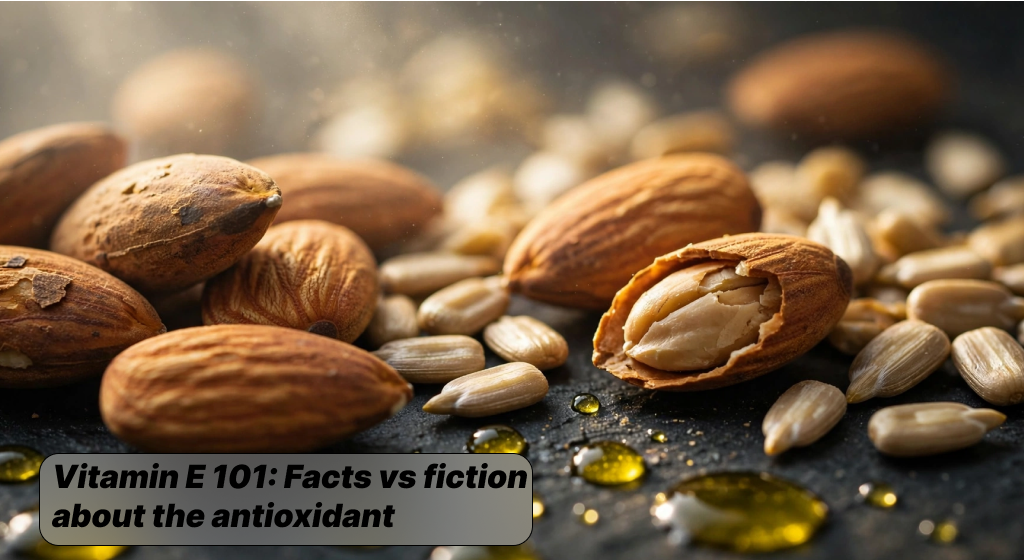
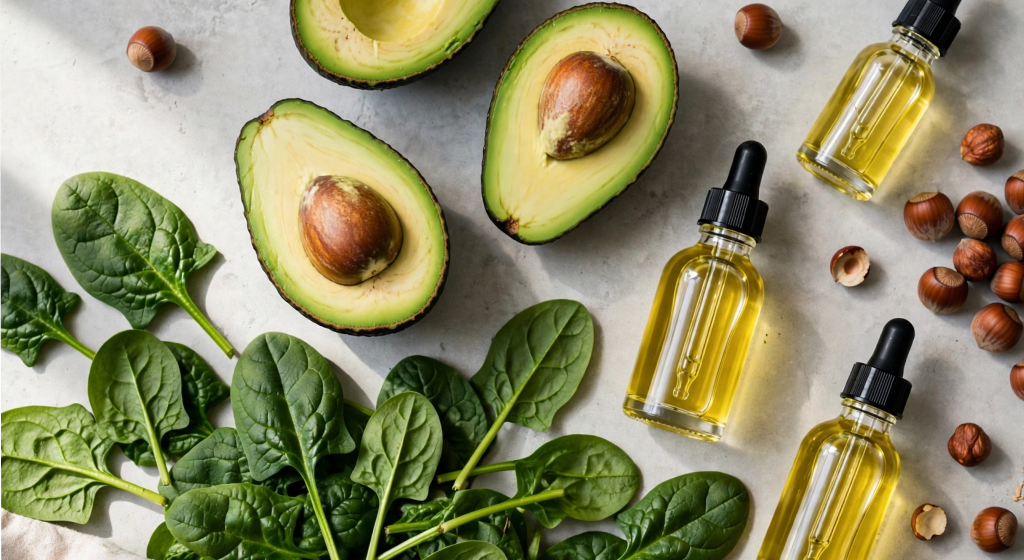
Whole foods provide a balanced matrix of nutrients that isolated pills often fail to replicate. Nuts, seeds, cold-pressed vegetable oils, and dark leafy greens deliver alpha-tocopherol alongside complementary compounds like gamma-tocopherol and beneficial plant sterols. Relying exclusively on high-dose supplements can disrupt this natural synergy, occasionally leading to imbalances with other fat-soluble vitamins like K. Incorporating a nutrient-dense diet ensures a steady, safe supply of essential fat-soluble vitamins without the risk of over-supplementation. Food-based approaches ultimately offer a safer, more sustainable pathway to achieving optimal daily nutritional status.
Focusing on culinary choices rather than pill bottles encourages a diverse nutrient intake that supports broader metabolic pathways. When vitamins are consumed within their natural food matrix, co-factors and dietary fibers optimize absorption rates and prevent sudden spikes in serum levels. This harmonious delivery system aligns seamlessly with human digestive evolution, reducing the likelihood of adverse gastrointestinal or systemic side effects. Embracing a food-first philosophy provides a robust foundation upon which targeted supplementation can be built only when explicitly needed.
- Whole food matrices deliver balanced ratios of tocopherols alongside synergistic plant sterols.
- Nutrient-dense diets prevent the biochemical imbalances associated with isolated high-dose capsule consumption.
- Sustainable daily intake through food sources eliminates toxicity risks linked to aggressive supplementation.

Dispelling Common Myths About Heart Health
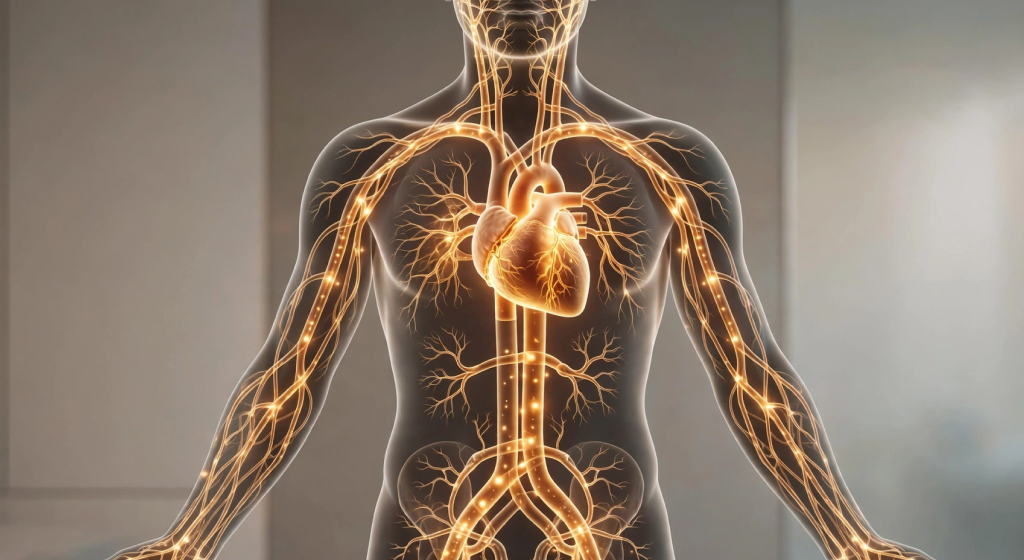
For decades, public health messaging promoted massive doses of this nutrient as a guaranteed shield against cardiovascular disease. Large-scale clinical trials later challenged this assumption, showing that indiscriminate high-dose supplementation does not automatically translate into lower heart attack rates. The reality is more nuanced; cardiovascular health support depends heavily on addressing underlying systemic inflammation and maintaining proper dietary balance rather than relying on a single compound. When utilized correctly within a comprehensive wellness strategy, the nutrient maintains vascular elasticity and protects low-density lipoproteins from oxidative modification.
Cardiovascular wellness is an intricate balancing act influenced by genetics, physical activity, blood pressure management, and overall dietary quality. Isolating one specific micronutrient and expecting it to reverse years of systemic lifestyle stress ignores the multifaceted nature of heart disease. Modern cardiology emphasizes comprehensive risk factor reduction, where supportive nutrients play a cooperative rather than a miraculous standalone role. Understanding this context prevents misplaced reliance on supplements and encourages a genuinely holistic approach to heart longevity.
- Clinical trial insights shifted medical perspectives away from simplistic, high-dose cardiovascular prevention models.
- Systemic inflammation management remains a more critical factor for maintaining long-term arterial health.
- Vascular elasticity preservation helps protect lipoproteins from damaging oxidative modifications over time.

Skin Integrity and Dermal Protection
The skin serves as the body’s primary barrier against environmental stressors, including ultraviolet radiation and urban pollution. Because sebum naturally delivers alpha-tocopherol directly to the skin surface, topical and dietary applications work in tandem to reinforce dermal defense systems. This localized concentration helps mitigate collagen breakdown, reducing the visible formation of fine lines and maintaining skin moisture. Incorporating adequate skin protection nutrients into a daily regimen helps maintain a resilient, glowing complexion from the inside out. Integrating targeted nutrition with proper skincare creates a robust defense against premature aging induced by environmental factors.
External pollutants and solar radiation generate reactive oxygen species that continuously challenge the outer envelope of human tissue. By maintaining high tissue concentrations of protective fat-soluble compounds, the skin can neutralize these environmental threats before structural proteins like collagen and elastin suffer permanent damage. This dual action of internal nourishment and external defense highlights how systemic biochemistry directly influences visible aesthetic health. Maintaining optimal dermal resilience is therefore as much about internal nutritional status as it is about topical creams.
- Sebum delivery mechanisms transport protective compounds directly to the outermost layers of human skin.
- Collagen breakdown reduction preserves structural elasticity and minimizes environmental aging effects.
- Dermal barrier resilience improves significantly when internal nutrition matches external skincare efforts.

Final Thoughts on “Vitamin E 101: Facts vs fiction about the antioxidant”
Navigating the complexities of Vitamin E requires cutting through decades of commercial exaggeration and relying firmly on established biochemical science. Rather than viewing this essential nutrient as a miraculous cure-all or a passive dietary afterthought, informed individuals recognize it as an intricate family of fat-soluble compounds with specific cellular duties. True wellness emerges when we balance a nutrient-dense diet rich in whole-food tocopherols with targeted, cautious supplementation only where genuine dietary gaps exist. Understanding the profound differences between natural and synthetic iterations ensures that every health investment genuinely supports metabolic resilience, cellular protection, and long-term vitality.
Ultimately, mastering Vitamin E intake is part of a broader, mindful approach to biohacking and sustainable self-care. By prioritizing quality over massive megadoses and aligning supplementation with personal physiological needs, we transform nutritional science into an actionable roadmap for graceful aging and vibrant health. Education remains our most powerful defense against misleading marketing claims, empowering us to make intelligent, evidence-based choices every single day. Consistent, balanced, and scientifically grounded habits ultimately form the bedrock of enduring physical well-being.
- Prioritize whole-food sources to ensure a balanced intake of natural tocopherols alongside complementary plant sterols.
- Distinguish between natural and synthetic supplement formulations to maximize cellular absorption and bioavailability.
- Maintain balanced daily habits grounded in solid scientific evidence rather than chasing aggressive marketing claims.