


Vitamin D and Testosterone. Most health enthusiasts categorize cholecalciferol as an everyday micronutrient, yet human physiology treats it entirely differently. In modern endocrinology, vitamin D and testosterone share a remarkably close biological heritage because vitamin D functions primarily as a seco-steroid prohormone rather than an inert catalytic cofactor. When ultraviolet-B photons strike cutaneous 7-dehydrocholesterol in the dermal layer, the body initiates an intricate synthesis pathway that mirrors the exact cascade producing endogenous androgenic compounds.
The downstream molecule, calcitriol, navigates systemic circulation bound to specialized transport globulins, ultimately binding to ubiquitous vitamin D receptors throughout human tissues. Viewing this compound through the narrow lens of basic skeletal mineralization overlooks its expansive regulatory command over whole-body hormonal output, cellular repair signaling, and metabolic homeostasis. Biohackers focused on peak vitality must first recognize that maintaining adequate systemic calcitriol is an indispensable requirement for endocrine baseline integrity.

Calcitriol influences metabolic cascades by entering cells and interacting directly with nuclear machinery to control targeted genetic sequences. Because the compound behaves identically to classic human steroid messengers, an undetected deficiency triggers downstream signaling failures across virtually every vital organ system. When systemic circulating concentrations fall below normal thresholds, the endocrine architecture loses access to critical genetic transcription factors required for steroidogenesis. Addressing systemic depletion requires recognizing the distinct biological touchpoints where active prohormones control vitality:
- Genetic transcription activation via specific nuclear vitamin D receptors embedded across vital metabolic tissues.
- Structural biochemical origin sharing identical cholesterol precursors with primary androgenic hormones.
- Broad systemic influence extending far beyond traditional bone matrix density into complete endocrine balance.

The Leydig Cell Connection and Direct Androgen Production
The functional core of masculine hormonal output resides within the interstitial compartment of the testes, specifically inside specialized tissue units known as Leydig cells. These cells house an exceptionally high density of nuclear receptors explicitly configured to bind calcitriol, proving that local androgen creation relies directly on vitamin D availability. When active metabolites enter testicular tissue, they stimulate the production of steroidogenic acute regulatory protein, an enzymatic gatekeeper commonly known as StAR.
This rate-limiting transport mechanism shuttles raw circulating cholesterol across the inner mitochondrial membrane, kickstarting the biochemical conversion cascade into pregnenolone, androstenedione, and ultimately bioavailable testosterone. Without steady, saturation-level calcitriol signaling within this localized microenvironment, Leydig cells cannot run enzymatic pathways at peak biological efficiency, regardless of upstream neural stimulation.
Furthermore, active calcitriol directly inhibits the local testicular aromatization process, preventing an excessive amount of newly minted androgens from prematurely converting into circulating estrogens. By stabilizing Leydig cell mitochondrial membranes against oxidative decay, calcitriol preserves the physical machinery tasked with steady synthesis. Biohackers working toward sustainable hormonal optimization must understand that providing basic building blocks proves useless if testicular cell machinery lacks the activation signals delivered by steady prohormone circulation:
- Upregulation of critical StAR proteins responsible for translocating raw cholesterol into cellular mitochondria.
- Preservation of healthy enzymatic pathways converting intermediate sterols into active free testosterone.
- Direct protection of delicate interstitial testicular architecture against inflammatory decay and cellular stress.

Mitigating SHBG to Liberate Bioavailable Androgens
Total hormone figures printed on standard diagnostic panels frequently present a misleading picture of functional systemic performance. Only non-protein-bound circulating molecules can permeate capillary walls, engage peripheral tissue receptors, and stimulate muscle hypertrophy, cognitive drive, and metabolic resilience. Sex hormone-binding globulin, commonly abbreviated as SHBG, operates as an affinity sponge that tightly binds to and immobilizes up to sixty percent of circulating androgens. Calcitriol acts as a natural biochemical modulator of hepatic globulin production, establishing an equilibrium where a healthier fraction of total molecules remains entirely unencumbered. Enhancing systemic calcitriol levels prevents liver tissue from overproducing this restrictive transport glycoprotein, directly expanding the physiological pool of bioavailable testosterone.
When metabolic health degrades or silent systemic inflammation takes root, hepatic tissue rapidly escalates globulin production, creating a state of functional androgen deficiency despite normal aggregate production. By re-establishing adequate active prohormone status, individuals downregulate the gene expression responsible for elevated globulin manufacturing inside liver cells. This subtle molecular shift creates widespread physical benefits, freeing trapped molecules to interact directly with peripheral receptors in skeletal muscle and central nervous system tissue:
- Downregulation of excessive hepatic synthesis of binding globulins to protect biological potency.
- Systematic increase in circulating free testosterone percentages available for active tissue uptake.
- Enhanced androgen receptor binding affinity across vascular tissue, central neurons, and skeletal muscle fibers.

Neuroendocrine Synchronization and the Pituitary Feedback Loop
Hormone generation relies on a synchronized communication circuit known as the hypothalamic-pituitary-gonadal axis. The brain initiates systemic synthesis when the hypothalamus releases pulsatile gonadotropin-releasing hormone, prompting the anterior pituitary gland to release luteinizing hormone and follicle-stimulating hormone into the bloodstream. Calcitriol directly supports this central command network by regulating central receptor sensitivity and shielding delicate pituitary structures from oxidative degradation. When vitamin D status remains optimal, central neuroendocrine sensors register metabolic signals accurately, issuing balanced hormonal directives to peripheral production nodes. This tight physiological loop prevents aberrant central feedback spikes that otherwise exhaust Leydig cell capacity or induce secondary endocrine suppression.
Chronic deficiency corrupts these delicate neurological feedback loops, blunting pituitary sensitivity and reducing the amplitude of natural nocturnal luteinizing hormone pulses. Restoring adequate prohormone saturation restores healthy communication, ensuring that neuroendocrine signals travel cleanly from central command down to target peripheral tissues. Biohackers frequently target testicular output while ignoring the central neurological ignition points that prompt tissue action; stabilizing this axis ensures that the central nervous system commands downstream androgen production consistently and smoothly throughout circadian cycles:
- Normalization of rhythmic luteinizing hormone pulsatility emanating from the anterior pituitary gland.
- Prevention of premature negative feedback blunting within sensitive hypothalamic receptor structures.
- Optimization of hypothalamic-pituitary-gonadal axis communication pathways for balanced systemic output.
Seasonal Drops, Cortisol Competition, and Metabolic Interference
Human androgen levels naturally mirror annual solar cycles, rising to predictable peaks during late summer months before hitting deep troughs throughout mid-winter. This seasonal fluctuation corresponds with the rise and fall of cutaneous ultraviolet-B synthesis, demonstrating a direct correlation between ambient ultraviolet exposure, blood calcidiol, and systemic vitality. During cold seasons with short daylight hours, declining prohormone concentrations trigger an inverse elevation in systemic cortisol production. Because active androgens and glucocorticoids share common precursor pathways, elevated stress signaling diverts biological resources away from restorative synthesis toward survival-focused pathways. This metabolic shift increases insulin resistance, promotes visceral adipose accumulation, and accelerates the peripheral conversion of androgens into estrogens through stimulated aromatase enzymes.
Furthermore, heightened baseline cortisol damages cellular receptor sensitivity, effectively blocking remaining circulating androgens from delivering clear intracellular transcription commands. When calcitriol levels drop below healthy thresholds, adipose tissue ramps up localized inflammatory cytokines, exacerbating the systemic aromatization of bioavailable molecules into circulating estradiol. Maintaining stable prohormone saturation independent of outdoor climatic swings shields the body against this winter metabolic decline, stabilizing vital ratios regardless of seasonal environment:
- Prevention of wintertime endocrine declines driven by reduced cutaneous ultraviolet-B synthesis.
- Mitigation of excessive adrenal cortisol elevation that diverts biological resources away from anabolic synthesis.
- Suppression of pathological aromatase expression inside expanding visceral adipose tissue deposits.

Diagnostic Precision and Advanced Biomarker Tracking
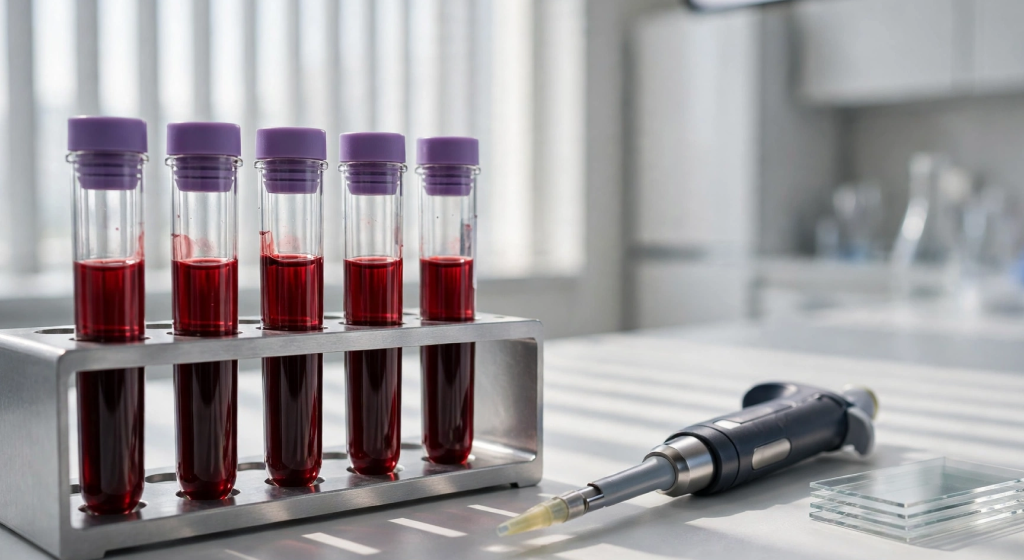
Achieving verified endocrine optimization requires moving beyond vague wellness advice and committing to objective, quantifiable clinical laboratory tracking. Many casual testing strategies rely on basic screening panels that report total hormonal concentration, completely missing functional free hormone levels, binding globulins, and active vitamin D intermediates. Clinicians dedicated to functional performance assess 25-hydroxyvitamin D alongside 1,25-dihydroxyvitamin D, total and free androgens, high-sensitivity C-reactive protein, and sensitive estradiol. Blood testing must always occur during the early morning hours to accurately capture peak circadian hormone surges, eliminating false readings driven by midday hormonal fluctuations. Relying on casual assumptions rather than objective diagnostic panels exposes individuals to subclinical endocrine deficits that undermine physical recovery, mental drive, and long-term metabolic health.
Standard reference ranges established by commercial laboratories frequently reflect broad population statistical averages rather than parameters optimized for thriving human physiology. While a conventional laboratory may classify a 25-hydroxyvitamin D reading of thirty nanograms per milliliter as normal, peak endocrine performance demands concentrations between fifty and eighty nanograms per milliliter. Systematically tracking these targeted variables every three to six months allows biohackers to fine-tune intake protocols, verify physiological assimilation, and measure direct real-world impacts on physical performance:
- Measurement of early-morning free testosterone alongside total and bioavailable concentrations.
- Accurate monitoring of systemic prohormone status using sensitive 25-hydroxyvitamin D assays.
- Routine evaluation of liver enzymes, serum calcium levels, and sex hormone-binding globulin baselines.

Final Thoughts: Vitamin D and Testosterone
Hormonal optimization is rarely about chasing an isolated, silver-bullet compound—it is about orchestrating the underlying biochemical environment so the body can operate at its natural genetic ceiling. Recognizing vitamin D as an active seco-steroid prohormone fundamentally changes how we approach male endocrine vitality. By directly fueling testicular Leydig cell machinery, modulating binding globulins to unlock free androgens, and maintaining tight communication across the neuroendocrine axis, optimal prohormone saturation serves as the non-negotiable chemical foundation for sustained vitality.
True biohacking demands precision over guesswork. Rather than megadosing single nutrients in isolation, long-term success comes from understanding metabolic synergies—pairing steady cholecalciferol with magnesium, vitamin K2, and dietary lipids—and verifying tissue uptake through systematic biomarker testing. When you treat vitamin D not as an optional supplement, but as an essential upstream regulator of systemic health, you establish an endocrine baseline that supports physical drive, cognitive resilience, and metabolic longevity across every season of life.