


Vitamin D Resistance: Why High Doses Fail. When conventional supplementation protocols fail to improve chronic fatigue, low immunity, or joint stiffness, unaddressed cellular signaling is often the primary reason. Many people consistently take standard softgels only to find their serum levels stubbornly stagnant, or worse, their symptoms completely unchanged despite elevated blood scores. This frustrating situation points toward vitamin D resistance, a metabolic barrier where cells fail to register the active hormone circulating through the bloodstream. Understanding this bottleneck shifts the focus from simply swallowing higher doses to evaluating how well tissues actually absorb and process the nutrient.
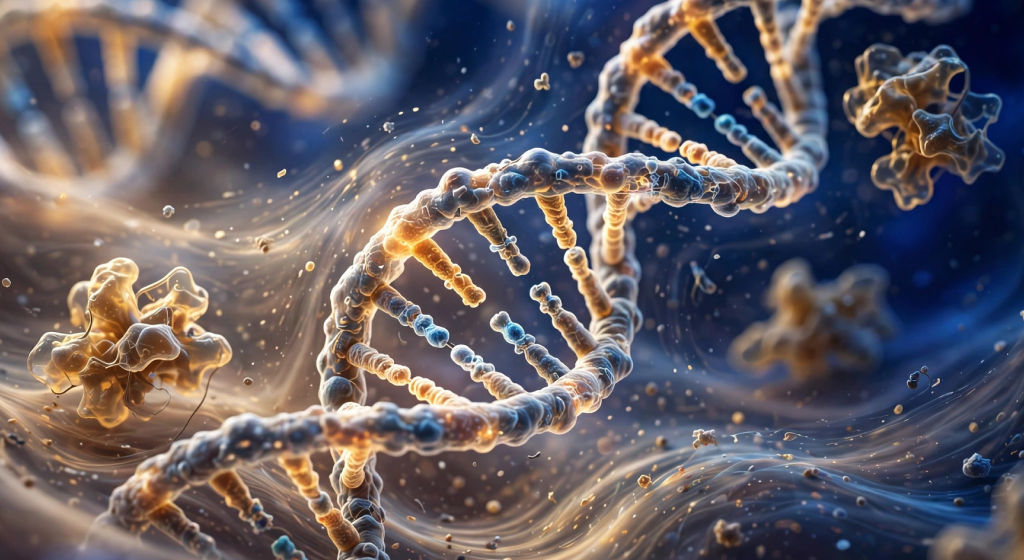
The human body does not treat this nutrient as an inert micronutrient; it behaves as a potent secosteroid hormone regulating thousands of genetic pathways. When peripheral tissues experience receptor insensitivity, escalating raw quantities without assessing functional pathways merely overwhelms excretion mechanisms while starving vital tissues of critical genetic activation. Resolving this block requires a systematic look into intracellular conversion, genetic expression, and vital nutrient interactions.
- Serum concentrations often stay low because intestinal absorption pathways remain impaired by chronic digestive imbalances.
- Elevated blood lab numbers can still coincide with severe cellular deficiency when target receptor sites remain completely inactive.
- Blindly taking megadoses without targeted nutrient synergists burdens clearance pathways without delivering true tissue-level bioactivity.
Understanding the Vitamin D Receptor
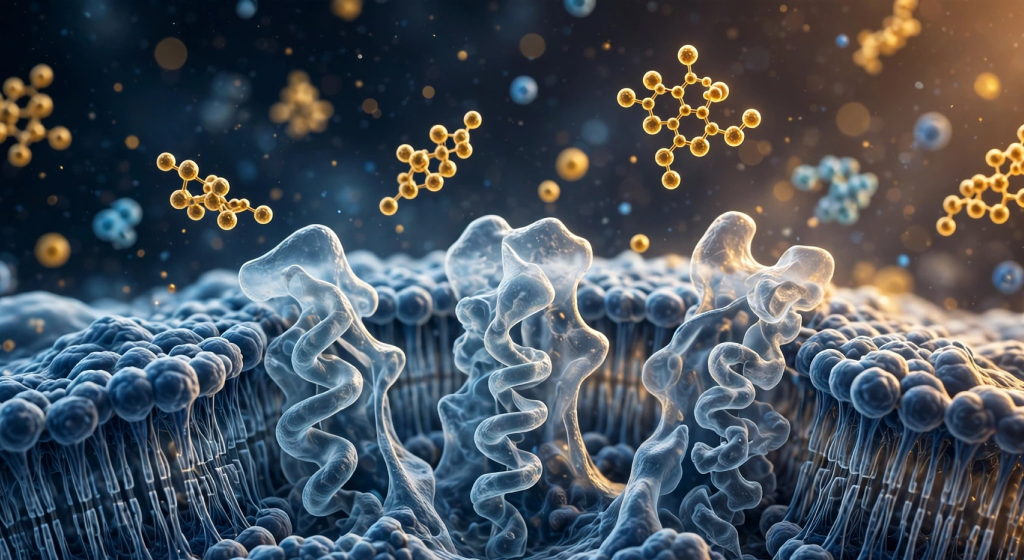
The true bottleneck of cellular response lies within the vitamin D receptor, an intracellular protein that binds calcitriol to regulate genetic transcription across immune cells, brain tissue, and bones. Even if your bloodstream contains an abundance of active compounds, deficient receptor affinity prevents the proper genomic signals from firing. Specific genetic polymorphisms, such as alterations in the FokI, BsmI, or TaqI alleles, frequently reduce baseline binding efficiency, making conventional dosage recommendations completely ineffective for reaching optimal cellular transcription thresholds.
Receptor mechanics are heavily dependent on immediate physical conformation and surrounding biochemical cofactors. Environmental toxins, chronic systemic stress, and lingering pathogen loads produce chronic downstream signals that downregulate receptor density across cellular membranes. When this structural gateway remains locked or diminished, taking higher doses only circulates inactive precursors through peripheral circulation without resolving systemic symptoms.
- Genetic variations across receptor alleles alter baseline affinity, demanding personalized biohacking strategies rather than standard baseline guidelines.
- Receptor downregulation occurs under prolonged periods of systemic stress, reducing cellular sensitivity to circulating hormones.
- Optimal cellular uptake relies directly on conformational integrity rather than simply saturating plasma with raw precursors.

The Magnesium Deficiency Dilemma
A common underlying driver of poor metabolic response is an unaddressed magnesium deficiency, which silently halts every single stage of sterol processing. The enzymes responsible for converting raw cholecalciferol into calcifediol within the liver, and subsequently into active calcitriol within the kidneys, are strictly magnesium-dependent. When systemic stores of this essential mineral run dry, supplemental doses sit entirely stagnant, unable to navigate the enzymatic cascade required to exert biological influence.
Pouring excessive amounts of fat-soluble precursors into a depleted biological terrain backfires by depleting remaining mineral reserves even faster. Because the body attempts to metabolize these newly introduced compounds, it consumes stored intracellular minerals, frequently inducing muscle cramps, heart palpitations, and elevated nervous system agitation. Restoring cellular magnesium saturation stands as an indispensable requirement for anyone attempting to resolve metabolic stagnation.
- Hepatic conversion enzymes require bioavailable mineral cofactors to successfully transform raw precursors into circulating calcifediol.
- Renal activation pathways come to a complete standstill whenever intracellular mineral reserves drop below critical physiological thresholds.
- Aggressive megadosing depletes existing cellular stores, inadvertently intensifying systemic symptoms and stalling metabolic absorption.
Genetic Polymorphisms and Cellular Uptake
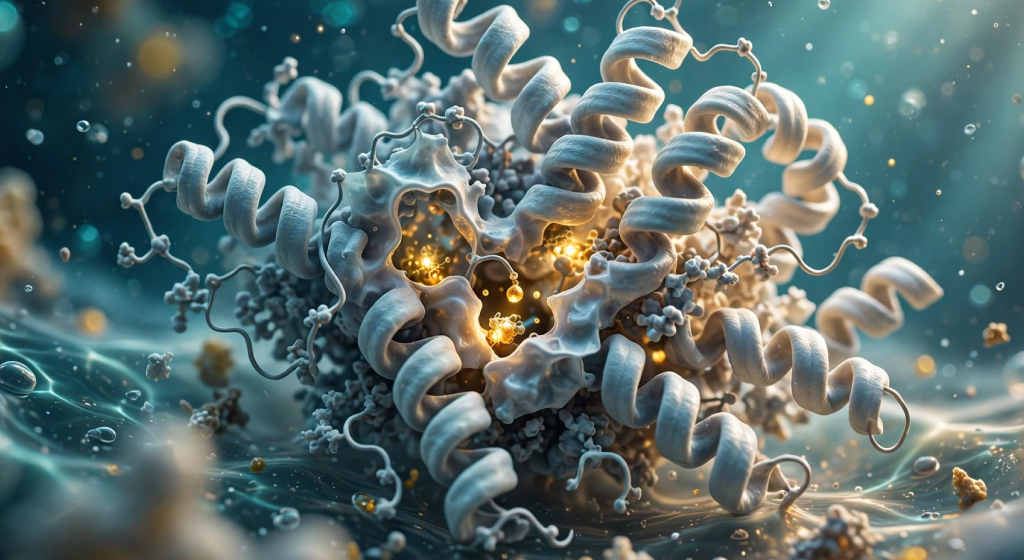
Individual genetic architecture dictates how nutrients travel through the vascular network, and common genetic polymorphisms in binding proteins alter functional availability. The vitamin D-binding protein, encoded by the GC gene, acts as the primary transport vehicle steering metabolites toward targeted organs and peripheral tissues. Variations in this transport code can leave an individual with high total circulating numbers on a standard lab panel, while free, bioavailable fractions remain too scarce to diffuse across target cell membranes.
Furthermore, alterations within the CYP2R1 and CYP27B1 genes impact the enzymatic rate of both 25-hydroxylation and 1-alpha-hydroxylation. Individuals carrying these inherited variations convert raw nutritional intake far more slowly than standard metabolic models predict. Pinpointing these personalized genetic markers removes guesswork, transforming frustrating trial-and-error routines into precise biohacking interventions.
- Genetic variations within transport proteins restrict the diffusion of bioavailable hormones into vital tissue compartments.
- Variations in hydroxylase coding genes slow metabolic activation steps, creating persistent resistance despite frequent intake.
- Standard total serum panels frequently mask functional deficiencies caused by atypical genetic binding dynamics.

The Crucial Role of Vitamin K2
Supplementing large amounts of sterols without adequate vitamin K2 creates severe physiological friction and misdirected mineral trafficking. Activated calcitriol stimulates the production of vital transport proteins, including osteocalcin and matrix Gla protein, which act as architectural directors for systemic mineral use. However, these specific proteins are synthesized in an inactive state and rely exclusively on menaquinone cofactors to undergo gamma-carboxylation and direct calcium straight into bone matrices.
When carboxylation cofactors are absent, newly mobilized minerals wander freely through the cardiovascular tree, contributing to arterial stiffness, soft-tissue calcification, and kidney strain instead of bone remodeling. This misplacement explains why unchecked megadosing can trigger calcification risks while leaving skeletal density and immune performance entirely unimproved. Balancing the equation with bioavailable menaquinone-7 ensures that every surge in mineral absorption contributes directly to structural vitality.
- Menaquinone cofactors activate key matrix proteins that physically lock circulating minerals into skeletal bone architecture.
- Uncarboxylated carrier proteins leave systemic minerals free to settle destructively inside vascular and soft tissues.
- Balancing fat-soluble inputs protects long-term arterial elasticity while enhancing the ultimate functional utility of daily protocols.
Chronic Inflammation and Receptor Blockade
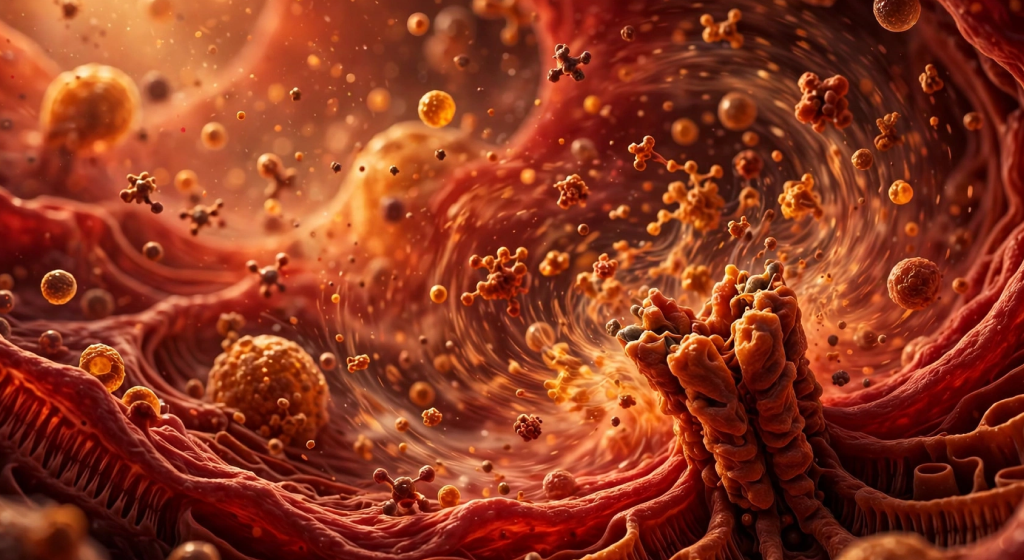
Systemic immune challenges, metabolic dysregulation, and persistent oxidative stress construct an aggressive biochemical barrier known as chronic inflammation, profoundly altering cellular hormone sensitivity throughout the human body. When proactive inflammatory cytokines—such as tumor necrosis factor-alpha (TNF-α), interleukin-1 beta (IL-1β), and interleukin-6 (IL-6)—inundate peripheral tissues, they trigger intracellular signaling cascades that actively suppress gene transcription downstream of nuclear receptors. Rather than utilizing hormonal cues for systemic repair, regeneration, and physiological balance, target cells enter an emergency survival mode. In this hyper-defensive state, nuclear factor kappa B (NF-κB) transcription factors physically compete with the receptor complex for essential transcriptional coactivators, effectively locking out genomic signals regardless of how much active hormone circulates in surrounding plasma.
Furthermore, occult infections, unresolved gut permeability, and circulating lipopolysaccharides (LPS) from dysbiotic microbiota continuously flood systemic circulation, perpetuating low-grade endotoxemia that directly downregulates receptor surface expression and intracellular density. Intracellular pathogen defense mechanisms deliberately dampen hormone signaling pathways to limit pathogen access to metabolic energy, rendering high supplemental doses functionally inert right at the cell membrane. Pumping massive quantities of fat-soluble precursors into such an inflamed biological terrain fails to overcome this transcriptional roadblock; it simply adds metabolic clearance stress to an already overburdened hepatic and renal system. Calming baseline immune hyperreactivity, repairing damaged mucosal barriers, and clearing metabolic endotoxins are non-negotiable prerequisites before nuclear receptors can regain their natural sensitivity, bind circulating active compounds, and successfully execute genetic transcription.
- Circulating inflammatory cytokines and elevated NF-κB pathways aggressively outcompete nuclear complexes for vital coactivators, completely halting downstream gene expression and systemic cellular repair.
- Chronic metabolic endotoxemia driven by intestinal permeability downregulates cellular receptor density, locking tissues into an unresponsive, defensive state that renders standard megadosing ineffective.
- Resolving foundational inflammatory triggers and stabilizing mucosal integrity must precede aggressive supplementation protocols to restore clean intracellular communication and hormonal utilization.

Final Thoughts on “Vitamin D Resistance: Why High Doses Fail”
Navigating the complexities of vitamin D resistance demands a fundamental mindset shift from blunt brute-force dosing to intelligent, systems-level biohacking. Blindly escalating daily intake in the face of stagnant lab numbers or unresolved symptoms rarely solves the underlying physiological blockage. Instead, it often places unnecessary metabolic stress on hepatic and renal clearance pathways while leaving peripheral tissues functionally starved. True optimization begins by respecting the delicate interplay between genetic receptor sensitivity, intracellular mineral saturation, and systemic inflammatory tone, ensuring that circulating hormones can actually bind and trigger life-giving genomic transcription.
Achieving lasting cellular vitality requires looking at your internal biochemistry as an interconnected network rather than isolated data points on a standard lab slip. Prioritizing essential cofactors like bioavailable magnesium and vitamin K2 ensures that activated molecules are directed where they belong, safeguarding cardiovascular elasticity while rebuilding bone matrices. At the same time, systematically identifying hidden genetic polymorphisms and cooling chronic gut-driven endotoxemia transforms an unresponsive biological terrain into a receptive one. When you address the root obstacles locking the cellular gateway, modest physiological doses paired with clean lifestyle foundations like natural sunlight and circadian alignment can finally deliver their full transformative potential.
- Shifting focus toward intracellular bioavailability rather than escalating blood plasma numbers prevents metabolic strain and restores genuine hormonal sensitivity.
- Integrating critical enzymatic cofactors like magnesium and menaquinone directs systemic calcium safely into bone architecture while avoiding soft-tissue accumulation.
- Restoring receptor sensitivity through gut healing and systemic inflammation control unlocks lasting vitality, vibrant immune function, and optimal genetic expression.