

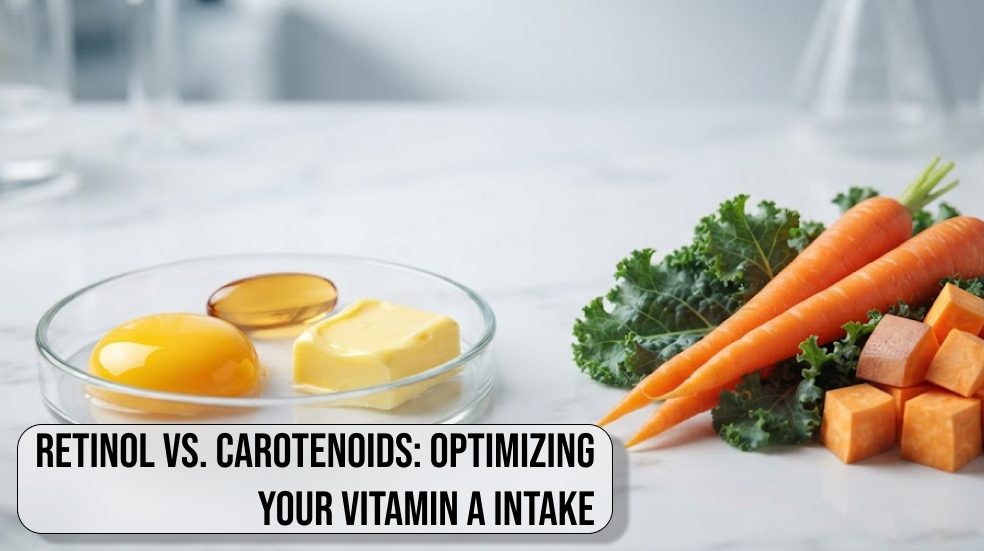
Retinol vs. Carotenoids: Optimizing Your Vitamin A Intake. Vitamin A stands as a cornerstone of human physiology, acting as a fundamental regulator for cellular growth, immune modulation, and vision. To truly master the art of optimizing vitamin A intake, one must first distinguish between the two primary chemical families that provide this vital nutrient: retinol and carotenoids. These are not interchangeable in their raw states; they represent different metabolic entry points into the body’s complex biochemical infrastructure. Retinol, known as the preformed active form, exists predominantly in animal-sourced foods. It is chemically “ready to work,” meaning once it enters the bloodstream, it can be utilized almost immediately by target tissues.
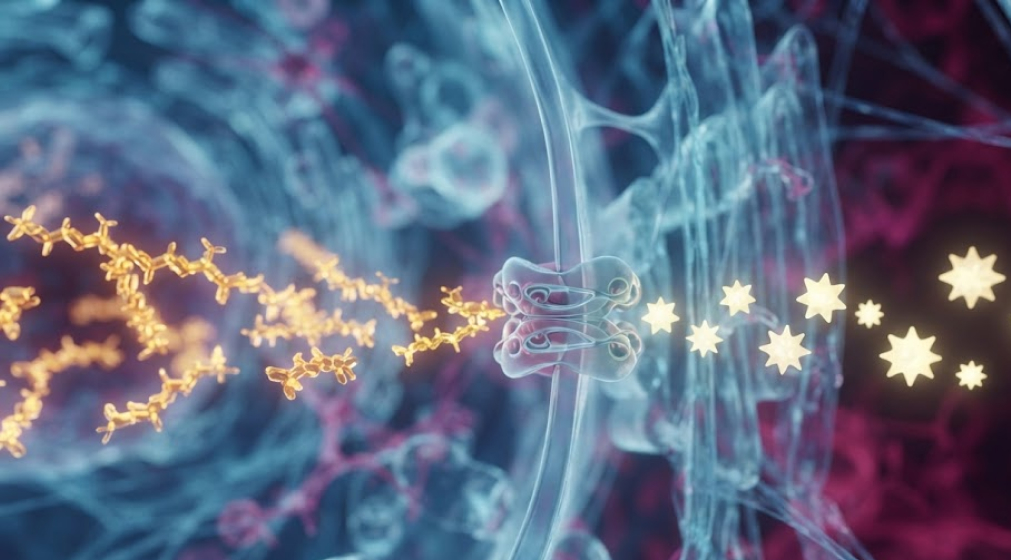
In stark contrast, carotenoids represent a diverse family of pigments synthesized by plants. These compounds, which include beta-carotene, alpha-carotene, and beta-cryptoxanthin, are essentially “provitamin A” precursors. They are not biologically active in the same manner as retinol and must undergo a sophisticated enzymatic transformation within the intestinal mucosa and liver. This conversion process is the bridge that turns a colorful diet of vegetables into functional physiological fuel. Understanding this fundamental dichotomy is the cornerstone of any biohacking protocol, as it dictates how you should structure your meals to ensure your body is never starved of the specific forms of vitamin A it requires for optimal performance and daily maintenance.
- Retinol is the biologically active form of vitamin A found exclusively in animal tissues.
- Carotenoids are plant-based pigments that act as precursors requiring metabolic activation.
- The human body must enzymatically convert carotenoids into retinol to utilize them fully.
The Metabolic Pathway: Why Preformed Retinol Matters
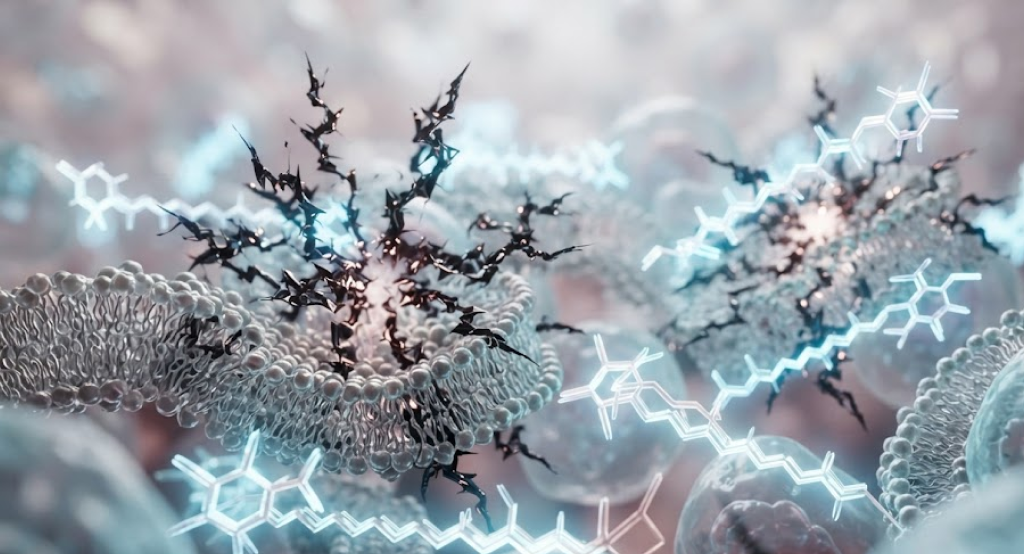
The efficiency of nutrient delivery is a critical factor in metabolic health, and preformed retinol holds a significant advantage in this regard. When you consume foods rich in retinol—such as high-quality liver, egg yolks, or grass-fed dairy—you are providing your body with a direct, high-potency source of the active molecule. This bypasses the need for the body to expend energy on enzymatic conversion, making it a highly bioavailable option, particularly for those whose metabolic efficiency might be compromised. Once absorbed, retinol binds to specific carrier proteins and is transported to the liver, where it is stored in specialized stellate cells, ready to be released into circulation as the body demands.
This direct availability is essential for critical biological processes, including the maintenance of epithelial tissues and the modulation of gene expression. Because retinol does not rely on complex conversion chains, it serves as a reliable “insurance policy” for the body. For individuals with underlying health challenges, such as digestive issues or specific metabolic bottlenecks, relying on plant-based precursors alone can be a risky strategy. By integrating preformed retinol into your diet, you ensure that your cellular machinery—from your skin’s surface to the depths of your immune system—is continuously supplied with the essential building blocks necessary to function at their highest capacity without interruption or delay.
- Preformed retinol offers superior, immediate bioavailability for the body.
- Animal-sourced foods provide a direct route to functional vitamin A stores.
- Direct consumption minimizes the metabolic cost of converting plant-based precursors.

The Protective Power of Carotenoids Beyond Vitamin A
While the conversion to retinol is a primary focus, it would be a mistake to view carotenoids solely as a secondary source of vitamin A. These vibrant pigments perform a myriad of duties that the active vitamin cannot fulfill alone. As powerful antioxidants, they work on the front lines of cellular defense, neutralizing the volatile free radicals generated by environmental pollution, stress, and metabolic activity. This antioxidant capacity is vital for long-term health, as it protects DNA, proteins, and lipids from oxidative damage. Furthermore, specific carotenoids like lutein and zeaxanthin are essential for structural health in specialized areas, most notably the macula of the human eye, where they act as internal sunglasses to protect against blue light and radiation.
This suggests that optimizing vitamin A intake is not simply about hitting a target number; it is about harvesting the full spectrum of benefits provided by nature’s pigment palette. While the conversion rate of beta-carotene to retinol might be variable, the systemic antioxidant impact of a diet rich in deeply colored vegetables remains constant and profound. By including a wide variety of plant foods, you are not just chasing vitamin A levels; you are bolstering your body’s entire internal defense network, ensuring that you are protected against both acute nutrient deficiencies and the long-term, cumulative effects of environmental oxidative stress.
- Carotenoids function as essential antioxidants that neutralize systemic oxidative stress.
- Specific pigments accumulate in tissues to provide structural and functional protection.
- A diverse intake of plant pigments is required for comprehensive long-term health.
Navigating the Bottlenecks: Factors Affecting Conversion Efficiency
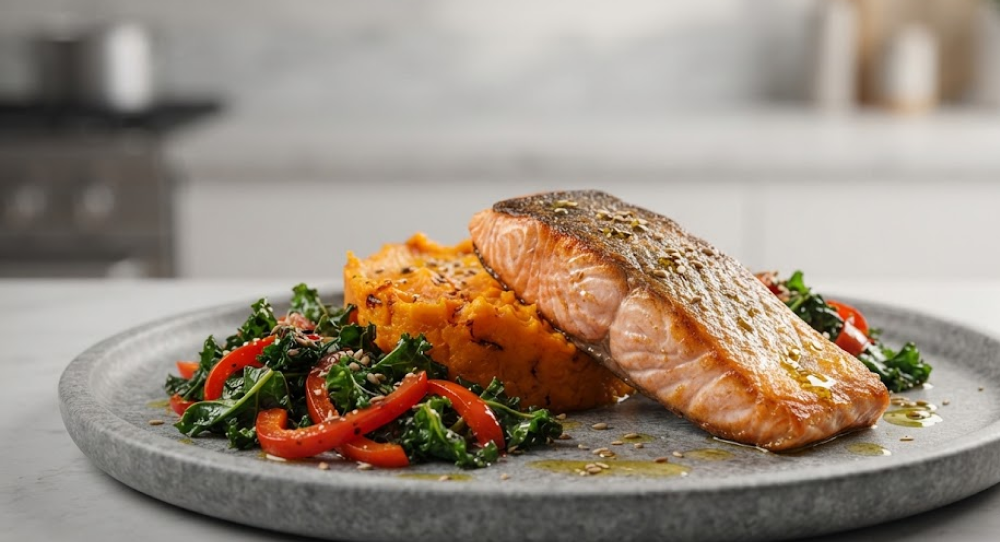
The conversion of carotenoids to retinol is frequently overstated in terms of its reliability. In reality, the body’s ability to turn beta-carotene into the active vitamin is highly nuanced and fraught with individual variables. The process is heavily dependent on the presence of specific cofactors, such as bile salts, adequate dietary fats, and a robust thyroid status. If your bile production is sluggish—often a result of poor fat metabolism or gut-related issues—your body will struggle to absorb the fat-soluble carotenoids in the first place, rendering the entire conversion process inefficient before it even begins.
Furthermore, individual genetic architecture plays a decisive role. Mutations in the BCMO1 gene, which encodes the enzyme responsible for the cleavage of beta-carotene, can lead to a significantly reduced capacity to synthesize retinol. This means two people could eat the same salad, yet experience vastly different levels of vitamin A absorption. If you notice signs such as dry, flaky skin, poor night vision, or a suppressed immune response despite a diet ostensibly rich in plant-based vitamin A, your metabolic “bottleneck” may be the culprit. Recognizing these biological limitations is a hallmark of true biohacking, allowing you to move beyond “eat more vegetables” toward a strategy that accounts for your body’s actual nutrient processing capabilities.
- Bile production and dietary fat are essential for carotenoid absorption.
- Enzymatic bottlenecks can severely limit the rate of vitamin A synthesis.
- Genetic variations necessitate personalized strategies for nutrient intake and metabolism.

Engineering the Perfect Intake Strategy for Vitality
An effective approach to optimizing vitamin A intake requires a tactical fusion of food groups that maximizes both efficiency and protection. The synergy between plant-based carotenoids and animal-sourced retinol is the most robust way to ensure that all bases are covered. Think of this as a layered nutrition strategy: you utilize the preformed retinol as your baseline fuel for immediate metabolic tasks, while simultaneously flooding the system with diverse carotenoids to handle long-term systemic maintenance and antioxidant defense. This dual-source approach ensures that even if one pathway is hindered, your body remains well-supplied.
Consistency is more important than massive, irregular doses. Because the body efficiently stores vitamin A in the liver, your goal should be to maintain a steady, moderate intake rather than cyclical spikes of supplementation. Incorporate small, consistent amounts of nutrient-dense animal fats—such as high-quality butter, liver, or egg yolks—alongside a vibrant, multi-colored array of vegetables. When preparing these vegetables, consider the addition of healthy fats like avocado oil, olive oil, or grass-fed ghee, as these facilitate the transport of carotenoids into your bloodstream. By engineering your meals this way, you create a seamless, high-performance nutrient delivery system that supports your body’s needs without the stress of constant monitoring.
- Combine preformed retinol with diverse carotenoids for comprehensive coverage.
- Healthy dietary fats are mandatory for the successful transport of fat-soluble nutrients.
- Consistent, daily intake is superior to high-dose, irregular nutritional protocols.

Biomarkers and Observation: Monitoring Your Status
To accurately gauge whether you are successfully optimizing vitamin A intake, you must move beyond subjective feelings and look at the physical evidence your body provides. Because vitamin A is integral to the health of all epithelial cells, one of the most reliable indicators of your status is the condition of your skin and eyes. Persistent dryness, “goosebump” skin (keratosis pilaris), or difficulty adjusting to low-light environments are classic, visible markers that your internal supply may be failing to meet your physiological demands. These are not merely cosmetic issues; they are profound indicators that your internal “maintenance crew” is under-resourced.
If these signs persist, you may consider more objective metrics, such as serum vitamin A (retinol) levels, although it is important to note that the body maintains these levels tightly until a deficiency is advanced. A more proactive strategy involves working with a healthcare professional to assess your broader metabolic markers, including thyroid function and zinc status, which are intrinsically linked to vitamin utilization. Remember that both deficiency and toxicity are genuine risks with fat-soluble vitamins. The goal is to reach the “optimal range”—a state of physiological abundance where your body has enough to thrive without the dangers of excessive accumulation. Being data-driven in your observations prevents guesswork and guides your dietary adjustments.
- Physical symptoms like skin and vision quality are primary indicators of status.
- Serum levels and related metabolic markers provide deeper insight into utilization.
- Avoid the danger of excess by using objective data rather than impulsive supplementation.

Final Thoughts on “Retinol vs. Carotenoids: Optimizing Your Vitamin A Intake”
As we conclude this exploration, it becomes clear that the interplay between retinol and carotenoids is not merely a nutritional nuance but a foundational element of cellular optimization. Achieving a state of peak physiological performance requires you to move beyond the simplistic view of “eating your vitamins” and instead adopt a strategic, bio-informed approach. By recognizing that retinol provides the immediate, high-bioavailability fuel necessary for systemic maintenance, while carotenoids offer the long-term, structural antioxidant protection required for longevity, you create a comprehensive nutritional framework that supports your body at every level.
The path to mastery involves a constant cycle of observation and refinement. There is no singular, universal prescription that works for every individual, as your unique genetic makeup, gut health, and metabolic rate dictate exactly how efficiently you convert precursors and utilize active nutrients. By staying attuned to your body’s signals—the clarity of your skin, the sharpness of your vision, and the consistency of your energy—you can fine-tune your intake to hit that “sweet spot” of sufficiency. This is the essence of true biohacking: taking the data you gather from your own life and using it to steer your nutrition toward an increasingly efficient and resilient state.
- Mastery of vitamin A intake is built upon the synergy of direct retinol and plant-based carotenoids.
- Personalized optimization requires honest feedback from your own physiological markers and symptoms.
- Sustainable long-term health is the result of consistent, whole-food-based nutritional strategies, not isolated supplementation.


