

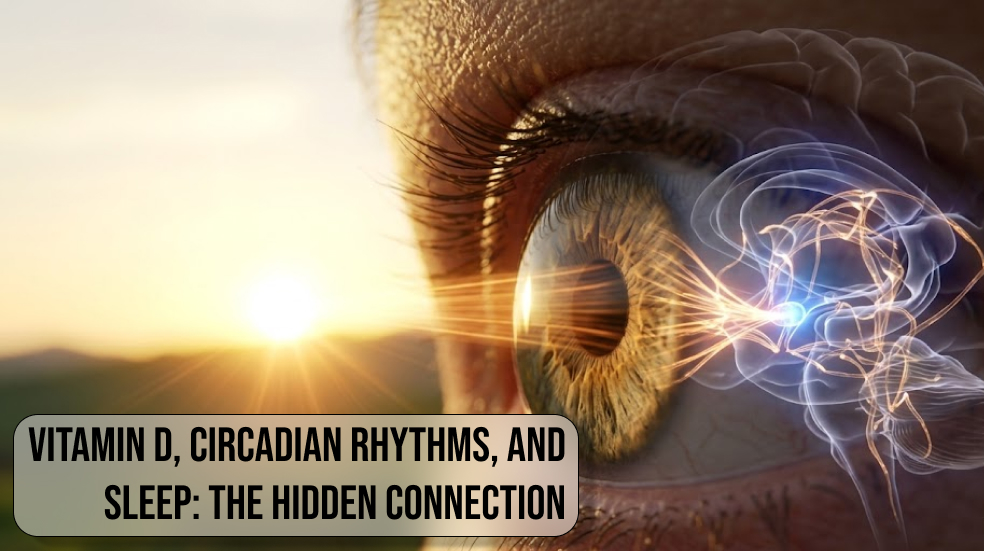
Vitamin D, Circadian Rhythms, and Sleep: The Hidden Connection. The human body operates on a precise, self-regulating 24-hour internal timekeeping mechanism universally known as the circadian rhythm. Managed primarily by the suprachiasmatic nucleus located within the hypothalamus region of the brain, this master biological clock coordinates nearly every fundamental physiological process, ranging from cellular metabolic signaling to core body temperature regulation.
Environmental light acts as the single most critical external timing cue, technically referred to as a zeitgeber, that constantly calibrates this delicate physiological system. When natural daylight enters the eye in the early morning hours, it triggers specific neural pathways that communicate directly with the central clock, signaling that the active phase of the daily cycle has officially begun. This instantaneous nervous system response immediately suppresses sleep-inducing signals, raises morning blood pressure, and boosts cortisol to foster sustained focus and daily energy.
Beyond direct neural pathways stimulated through visual perception, full-spectrum outdoor light plays an indispensable physical role by driving natural vitamin D synthesis directly within dermal layers. When ultraviolet radiation strikes specialized cholesterol molecules located in the skin, it sets off an intricate biochemical cascade that converts these basic structures into circulating hormonal precursors. This dynamic interaction reveals an interconnected relationship where visual light exposure and dermal photon absorption operate in tandem. By receiving robust daylight signals every morning, the body effectively aligns its internal genetic schedules with external environmental patterns. This seamless alignment prepares the central nervous system for steady waking vitality while laying the structural framework required for deep, uninterrupted nocturnal sleep quality.
- Retinal photoreception: Sunlight activates specialized retinal ganglion cells that send immediate neural signals to reset the central hypothalamic clock.
- Hormonal schedule calibration: Morning daylight exposure establishes the precise biological timing required for natural melatonin production later in the evening.
- Cutaneous nutrient generation: Unfiltered sunlight initiates the enzymatic transformation of dermal cholesterol into essential vitamin D precursors.

Vitamin D as a Powerful Systemic Neurohormone
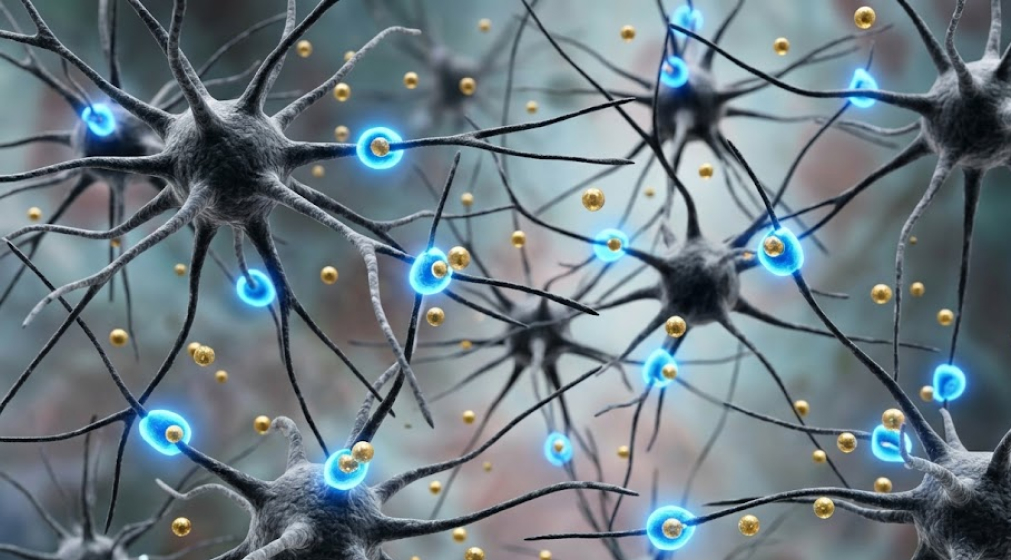
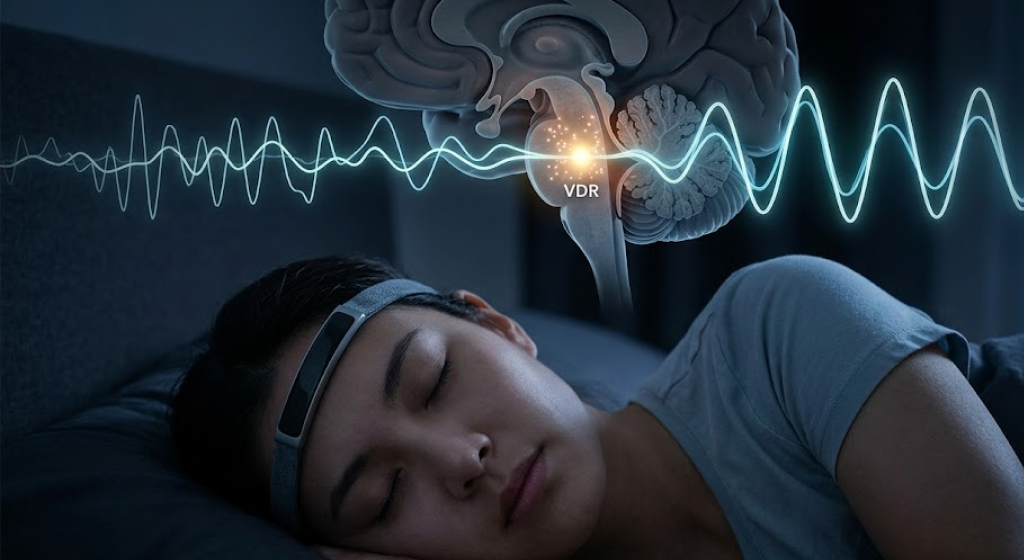
While historically categorized strictly as an essential dietary compound for bone density, modern biological research demonstrates that vitamin D functions as a neurohormone. Unlike standard nutrients that simply serve as raw building materials, this potent chemical messenger circulates through the bloodstream and binds directly to specific nuclear targets called vitamin D receptors. These specialized receptors are densely distributed throughout human brain tissue, particularly within regions responsible for regulating mood, biological rhythms, and sleep architecture. The presence of these receptors in critical brainstem centers confirms that this unique molecule plays an active, non-negotiable role in regulating daily neurochemical balance and overall nervous system health.
The conversion process of this active molecule involves complex enzymatic steps within the liver and kidneys, culminating in an active metabolite that can cross the blood-brain barrier. Once inside neural tissue, active vitamin D signals influence the transcription of hundreds of structural and regulatory genes. This extensive genetic modulation directly impacts the production rate of essential neurotransmitters, including dopamine, serotonin, and gamma-aminobutyric acid. By directly stabilizing neural cell signaling pathways and reducing chronic low-grade neuroinflammation, this hormonal compound ensures that the central brain regions responsible for managing biological rest can function without cellular stress or disruption.
- Receptor expression: High concentrations of specialized nuclear receptors exist within brain areas controlling circadian timing and sleep state transitions.
- Gene transcription regulation: The active hormonal form directly modulates over two hundred distinct genes responsible for neural integrity and neurotransmitter synthesis.
- Neurochemical modulation: Optimal hormone activity supports the natural metabolic pathways that produce soothing neurotransmitters required for deep sleep.
How Sunlight Drives Evening Melatonin Production
A common biohacking paradox centers on how early morning outdoor sunlight exposure directly governs the brain’s ability to produce nighttime sleep hormones. The underlying biochemical process relies heavily on serotonin, a neurotransmitter built from the essential amino acid tryptophan during daytime hours. Bright sunlight hitting the retina drastically increases serotonin production in the brain, elevating mood and sharpening cognitive clarity throughout the daytime hours. Because serotonin serves as the direct biochemical precursor to nocturnal melatonin production, robust daytime output ensures an abundant chemical reserve ready to be converted into sleep-inducing hormones once daylight fades.
This integrated chemical transition highlights the fundamental link between daytime outdoor exposure, circadian rhythm regulation, and deep restorative sleep. When ambient light levels drop in the evening, the pineal gland extracts daytime serotonin reserves and converts them rapidly into melatonin. However, if an individual lacks sufficient daytime daylight or suffers from deficient vitamin D activation, the pathway converting tryptophan to serotonin becomes severely impaired. Ensuring robust sunlight exposure during the day provides the dual benefit of triggering natural hormone production in the skin and saturating neural pathways with the raw materials needed for effortless evening relaxation.
- Precursor accumulation: Daytime light exposure drastically boosts brain serotonin levels, creating the essential raw foundation for nighttime sleep hormones.
- Enzymatic conversion: Darkness signals the pineal gland to synthesize daytime serotonin into sleep-promoting melatonin molecules.
- Light-driven synchronization: Natural sunlight exposure acts as a dual trigger, elevating daytime focus while preparing the central nervous system for rapid nighttime sleep onset.

The Molecular Bridge Between Sun Exposure and Sleep Architecture
Sleep is not merely a passive state of rest, but an intensely orchestrated neurological process divided into distinct stages, including deep slow-wave sleep and rapid eye movement phases. The transition between these precise phases is governed by specific brainstem nuclei that express high levels of vitamin D receptors. When circulating levels of this essential active neurohormone drop below physiological necessity, the brain struggles to maintain stable transitions between light and deep sleep stages. This biochemical deficit often manifests as fragmented sleep architecture, leading to frequent nighttime micro-arousals and a significant loss of critical deep sleep duration.
Modern neurological research indicates that proper receptor binding directly supports the integrity of sleep architecture parameters. The active hormone regulates enzymes involved in acetylcholine synthesis, a neurotransmitter that plays a fundamental role in controlling the onset and duration of REM cycles. Furthermore, proper hormonal levels protect vulnerable brainstem neurons from oxidative stress, ensuring that the neural pathways controlling paralysis during REM sleep and muscle relaxation during deep sleep operate smoothly. Maintaining adequate tissue levels of this neurohormone allows the central nervous system to complete full, undisturbed sleep cycles every night.
- Brainstem receptor activity: Specialized neural clusters in the brainstem rely on active hormone binding to regulate normal transitions between sleep stages.
- REM phase modulation: Adequate biological activity helps stabilize the timing and duration of critical rapid eye movement cycles essential for cognitive restoration.
- Protection against fragmented sleep: Balanced hormone levels help prevent sudden nocturnal awakenings, allowing for unbroken slow-wave sleep cycles.

Identifying the Signals of Low Vitamin D and Poor Rest
When an individual suffers from chronic vitamin D deficiency, the body broadcasts clear physiological distress signals that frequently manifest as persistent sleep disturbances. People experiencing sub-optimal biological levels often report significant difficulty falling asleep, unexplained night waking, and persistent morning brain fog despite spending adequate hours in bed. Because this active hormone helps modulate systemic inflammatory responses, low levels often lead to heightened systemic inflammation, which can irritate airway tissues and contribute to disruptive breathing patterns during the night, such as obstructive sleep apnea.
Chronic circadian disruption further compounds these symptoms, creating a frustrating cycle of daytime fatigue and nighttime restless sleep. Without sufficient hormonal activation and proper light cues, the body’s master clock loses its sharp distinction between day and night. Individuals may experience daytime sleepiness paired with evening restlessness, a condition frequently mistaken for general stress or insomnia. Recognizing these distinct physical warnings is the first critical step toward restoring biological alignment, stabilizing the sleep-wake cycle, and improving overall physical energy through targeted light and lifestyle interventions.
- Disrupted sleep continuity: Inadequate hormone levels are strongly linked to frequent nighttime awakenings, reduced sleep efficiency, and difficulty staying asleep.
- Systemic tissue inflammation: Deficiency increases inflammatory markers across upper respiratory tissues, elevating the risk of nocturnal breathing disruptions.
- Daytime lethargy and fatigue: A weakened internal clock impairs daytime energy production, resulting in chronic morning grogginess and low physical stamina.

Strategic Timing for Vitamin D Supplementation
Achieving optimal biological results requires more than just taking a random daily pill; precise supplementation timing plays a pivotal role in maintaining natural human circadian patterns. Because this fat-soluble compound is naturally produced during peak daylight hours via solar radiation, consuming it during the evening hours can send conflicting biochemical messages to the central brain. High evening levels of this active molecule can actually suppress pineal gland activity, interfering with natural melatonin secretion and delaying the onset of restorative sleep.
To maintain biological harmony, biohackers and health professionals emphasize consuming supplemental doses early in the day, preferably alongside a meal containing healthy dietary fats. Morning intake mimics the natural evolutionary pattern of solar exposure, signaling to the brainstem and central clock that the active phase of the day has begun. This smart morning routine enhances biological absorption while ensuring that evening hormonal pathways remain entirely unhindered, allowing natural sleepiness to emerge smoothly when night falls.
- Morning intake alignment: Taking supplements during breakfast mimics natural solar exposure rhythms, reinforcing healthy daytime alertness signals.
- Melatonin preservation: Avoiding nighttime intake prevents unintended suppression of pineal hormone release, preserving natural sleepiness cues.
- Fat-assisted absorption: Consuming fat-soluble supplements with healthy dietary lipids substantially increases intestinal absorption and cellular uptake efficiency.

Final Thoughts on “Vitamin D, Circadian Rhythms, and Sleep: The Hidden Connection”
Mastering the intricate relationship between daylight, internal biological clocks, and cellular health is one of the most effective strategies for unlocking sustained physical vitality. Modern environments often isolate individuals from natural solar cycles, substituting vibrant morning light with artificial indoor lighting and evening darkness with high-energy screens. Realigning these daily patterns does not require drastic lifestyle shifts, but rather a deliberate commitment to basic physiological principles. By securing direct morning sunlight, optimizing nutrient timing, and supporting the body with necessary enzymatic cofactors, you create an internal environment where restorative sleep becomes a natural, effortless outcome rather than an elusive goal.
Ultimately, treating vitamin D synthesis and circadian rhythm alignment as interconnected components of a single biological system allows for long-term health optimization. Consistent daily habits build strong biological momentum, allowing neural pathways to regulate nightly melatonin production and sustain deep, unbroken sleep cycles. As research continues to uncover how deeply light exposure influences genetic expression and neurotransmitter balance, taking control of your daily exposure turns basic biology into a powerful tool for wellness. Prioritizing these foundational signals empowers the body to restore its natural equilibrium, improving focus, emotional resilience, and overall nocturnal recovery.
- Holistic biological synergy: Viewing sunlight, nutrient timing, and sleep hygiene as unified factors yields profound improvements in daily vitality and nighttime rest.
- Long-term circadian momentum: Establishing predictable daily habits strengthens the master clock, making your sleep-wake cycle remarkably resilient against daily stress.
- Empowered health optimization: Simple, consistent interventions leveraging natural solar cues allow the central nervous system to achieve deep, unbroken physical recovery.