


Vitamin D and Brain Health: Neurogenesis and Cognitive Decline. Most people classify Vitamin D strictly as a bone-density regulator, yet modern molecular biology recognizes it as a powerful, fat-soluble neurosteroid hormone. Once synthesized in the skin via ultraviolet radiation or absorbed through nutrition, cholecalciferol undergoes enzymatic hydroxylation in the liver to form calcidiol, followed by a secondary conversion into the biologically active compound calcitriol. Unlike typical micronutrients, active calcitriol operates through specialized nuclear receptors embedded throughout central nervous system tissues.
Calcitriol effortlessly crosses the protective blood-brain barrier, docking onto intracellular structures and directly modulating genomic transcriptions that dictate neuronal architecture, membrane stabilization, and cellular vitality. Harnessing these neuroprotective properties requires viewing the molecule as a fundamental endocrine driver of neurological function rather than a simple dietary addition.
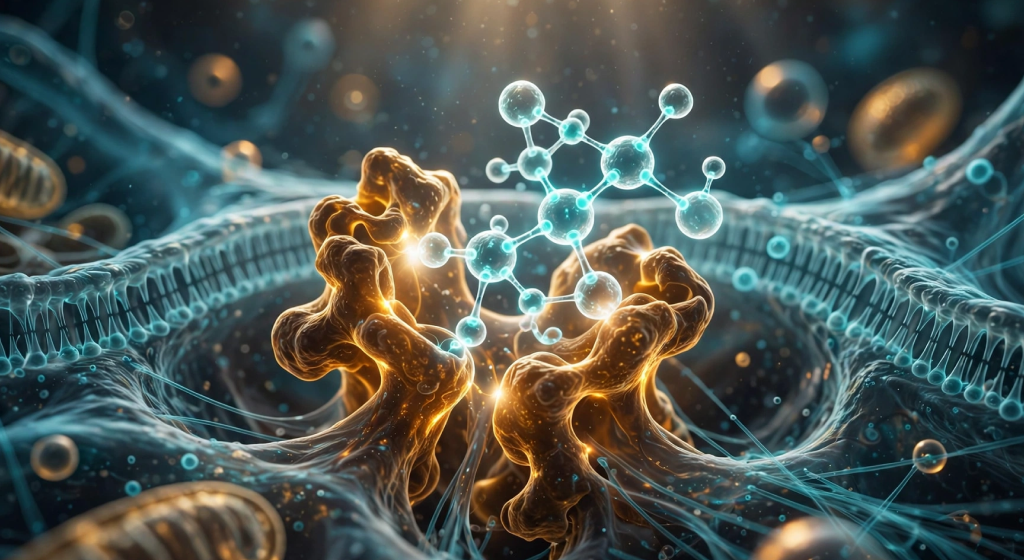
Because nuclear receptors populate critical functional hubs like the hippocampus, prefrontal cortex, and substantia nigra, the compound exerts immediate influence over mental clarity, executive functioning, and emotional equilibrium. Biological receptors require a continuous baseline of circulating metabolites to sustain homeostatic gene expression within deep cerebral nuclei. When circulating levels dip below optimal physiological thresholds, genomic signaling stutters, leaving vulnerable brain tissues susceptible to metabolic exhaustion and accelerated degeneration. Viewing this fundamental molecule through a neurosteroid lens reframes ordinary Vitamin D supplementation into an intentional, proactive strategy for long-term central nervous system resilience and mental longevity.
- Steroid Hormone Structure: Functions biologically as an active secosteroid that binds nuclear receptors to trigger vital neuroprotective genes.
- Blood-Brain Barrier Permeability: Navigates vascular boundaries to directly interact with target neurons and surrounding glial networks.
- Regional Receptor Concentration: Densely populates hippocampal and cortical control centers responsible for deep memory retrieval and emotional regulation.

Unlocking Adult Neurogenesis in the Hippocampus
Adult neurogenesis represents the mammalian brain’s extraordinary capacity to cultivate functional new neurons throughout mature life, primarily localized within the subgranular zone of the dentate gyrus. Active calcitriol serves as a fundamental molecular gatekeeper for this regenerative cascade, instructing neural stem cells to survive, proliferate, and migrate into functional synaptic circuits. By driving transcription factors responsible for cellular differentiation, active endocrine signaling ensures that freshly generated neuroblasts mature into robust, responsive granule cells rather than succumbing to early programmed cellular death. Maintaining optimal systemic levels of Vitamin D provides the biological substrate required for cognitive agility, emotional resilience, and lifelong adaptive learning.
Without adequate systemic concentrations of Vitamin D, neural progenitor cells struggle to navigate differentiation pathways, dramatically reducing the actual rate of new cell integration within memory networks. Diminished cellular recruitment compromises synaptic plastic remodeling, making it harder for the central nervous system to separate closely related experiences or encode novel complex information. Maintaining consistent hormonal signaling ensures that the brain preserves its youthful cellular turnover rate, reinforcing intrinsic regenerative pathways against the natural friction of the aging process and supporting cognitive adaptability under high demand.
- Neural Progenitor Proliferation: Directly promotes the active division and survival of native hippocampal stem cell populations.
- Synaptic Structural Integration: Facilitates the successful functional wiring of newly born neurons into established cognitive memory circuits.
- Pattern Separation Enhancement: Supports the neurological capacity to cleanly distinguish between closely overlapping daily events and data points.
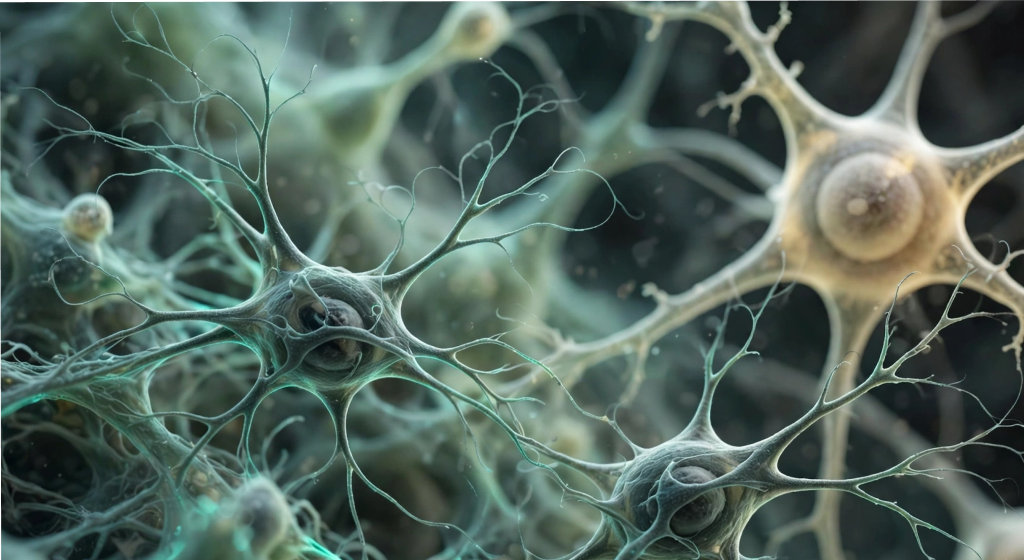
Neurotrophin Signaling and BDNF Production
Cognitive agility relies heavily on specialized chemical messengers called neurotrophins, among which brain-derived neurotrophic factor, or BDNF, functions as the ultimate master catalyst. Active calcitriol directly upregulates the genetic expression of BDNF alongside glial cell line-derived neurotrophic factor and nerve growth factor within vulnerable cerebral sectors. These critical neurotrophic agents serve as targeted fertilizer, encouraging dendrites to branch out, fortifying synaptic junctions, and protecting vulnerable neural circuits from premature atrophy. Sustained upregulation of growth factors through steady Vitamin D signaling creates a fertile environment where electrophysiological signals transmit smoothly across neighboring synapses.
When neurotrophin synthesis drops due to insufficient endocrine support, dendritic spines begin to retract, resulting in sluggish informational transit and noticeable executive fatigue. Neurons stripped of adequate trophic signaling become increasingly fragile, failing to withstand mild physiological stressors or heavy daily cognitive loads. Elevating systemic Vitamin D levels restores this vital molecular supply chain, stimulating endogenous neurotrophic production and establishing a resilient buffer that preserves complex neural arborization across every phase of adult life.
- Targeted BDNF Upregulation: Stimulates sustained endogenous transcription of primary growth factors essential for structural synaptic integrity.
- Dendritic Spine Density: Prevents the gradual retraction of receptive neuronal branches, maintaining high surface areas for signal reception.
- Glial Trophic Reinforcement: Promotes the co-release of complementary growth compounds that shield vulnerable axonal projections from daily mechanical stress.
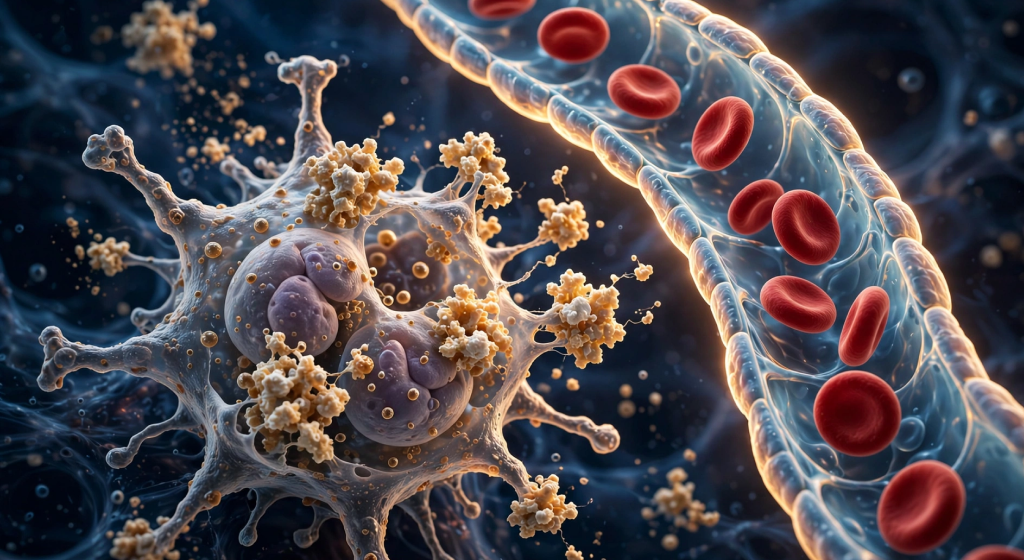
Protecting Synapses Against Cognitive Decline
Age-related mental erosion typically begins not with massive neuronal death, but with the quiet, gradual dismantling of delicate synaptic contact points. Maintaining robust neurosteroid levels shields these microscopic transmission hubs, directly mitigating the biological pathways driving cognitive decline in aging populations. By optimizing the resting membrane potentials of pyramidal cells and regulating resting ion distribution, Vitamin D protects the physical architecture responsible for encoding working memory. Preserving these intricate physical structures guarantees that fluid intelligence, verbal recollection, and rapid problem-solving capabilities remain sharp across decades.
Conversely, clinical epidemiological records routinely correlate prolonged micronutrient insufficiency with accelerated volumetric shrinkage across critical gray matter structures. When baseline hormonal stimulation diminishes, synapses lose their structural anchoring proteins, leaving communication channels vulnerable to synaptic pruning and localized metabolic decay. Proactively safeguarding synaptic density through targeted Vitamin D optimization prevents premature network breakdown, keeping complex neural systems coherent, adaptable, and resistant to environmental stressors throughout the aging process.
- Synaptic Architecture Maintenance: Preserves vital anchoring proteins that structurally align pre- and post-synaptic communication boundaries.
- Hippocampal Volume Retention: Defends sensitive gray matter structures against premature volumetric shrinkage and tissue atrophy.
- Information Transit Speed: Ensures rapid electrophysiological signaling across long-range axons responsible for high-level working memory tasks.
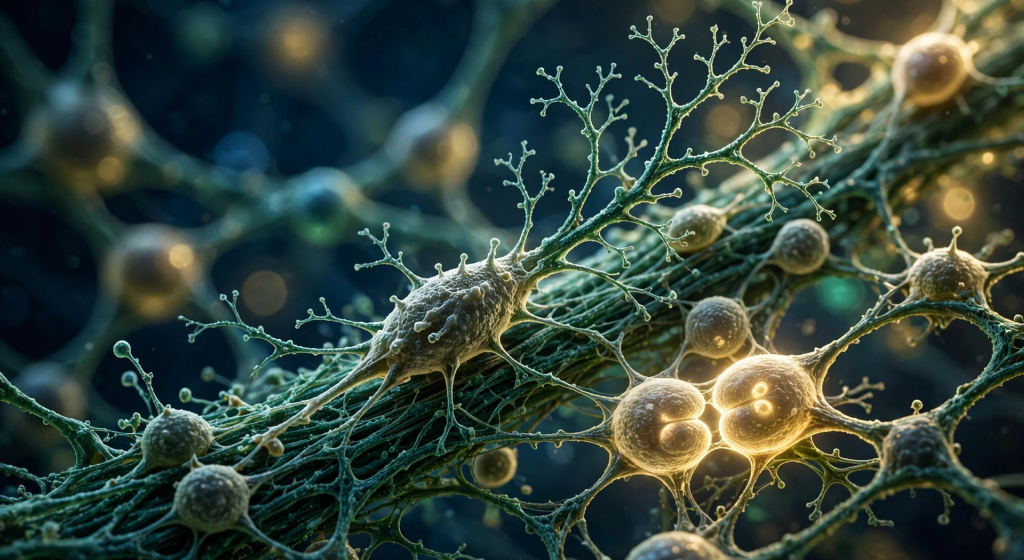
Controlling Neuroinflammation and Microglial Activation
Chronic low-grade inflammation within the central nervous system acts as a silent driver of progressive structural degeneration and cognitive fog. Resident immune sentinels known as microglia constantly survey neural tissue, but when irritated by environmental toxins or metabolic stress, they lock into a hyperactive, destructive phenotypic state. Calcitriol binds directly to specific nuclear sites inside these immune cells, functioning as an essential off-switch that halts inflammatory cascades before collateral tissue destruction occurs. This regulatory mechanism of Vitamin D rebalances systemic cytokine output, steering the central nervous system away from self-destructive inflammatory loops.
Unchecked microglial activation triggers the persistent release of toxic compounds, including tumor necrosis factor-alpha, interleukin-1 beta, and highly reactive free radicals that damage surrounding healthy brain matter. This toxic biochemical wash degrades nearby myelin sheaths and destabilizes neighboring cellular membranes, ultimately precipitating cognitive exhaustion. By keeping microglia strictly anchored in their restorative, neuroprotective phenotype, active Vitamin D fosters a balanced immune environment that nurtures clean tissue repair without triggering unwanted bystander cell damage.
- Microglial Phenotype Modulation: Shifts immune cells away from destructive pro-inflammatory profiles toward reparative, restorative phenotypes.
- Cytokine Cascade Suppression: Drastically cuts the excessive secretion of neurotoxic inflammatory messengers like tumor necrosis factor-alpha.
- Myelin Sheath Preservation: Shields insulating lipid layers around central nerve fibers from autoimmune wear and collateral oxidative injury.
Calcium Homeostasis and Excitotoxicity Defense
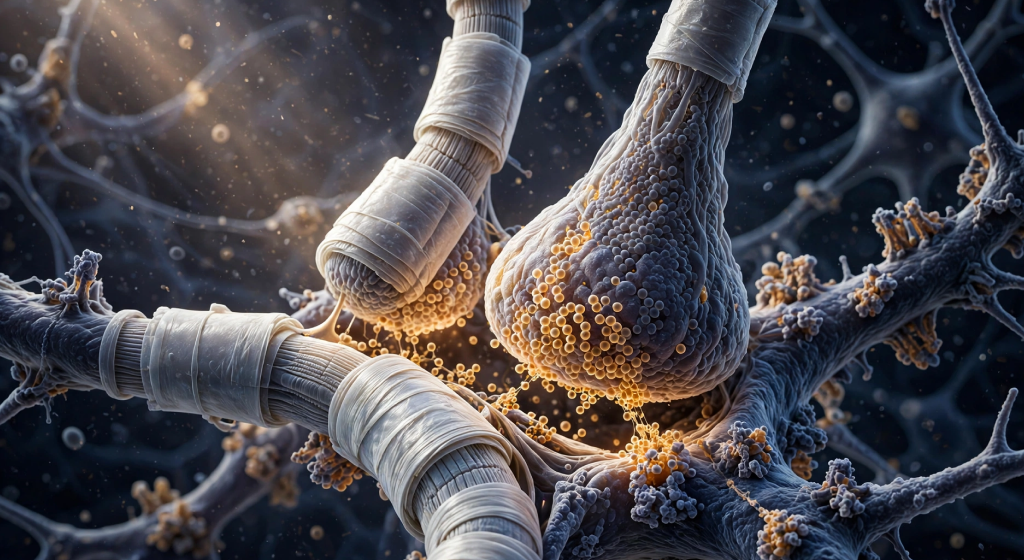
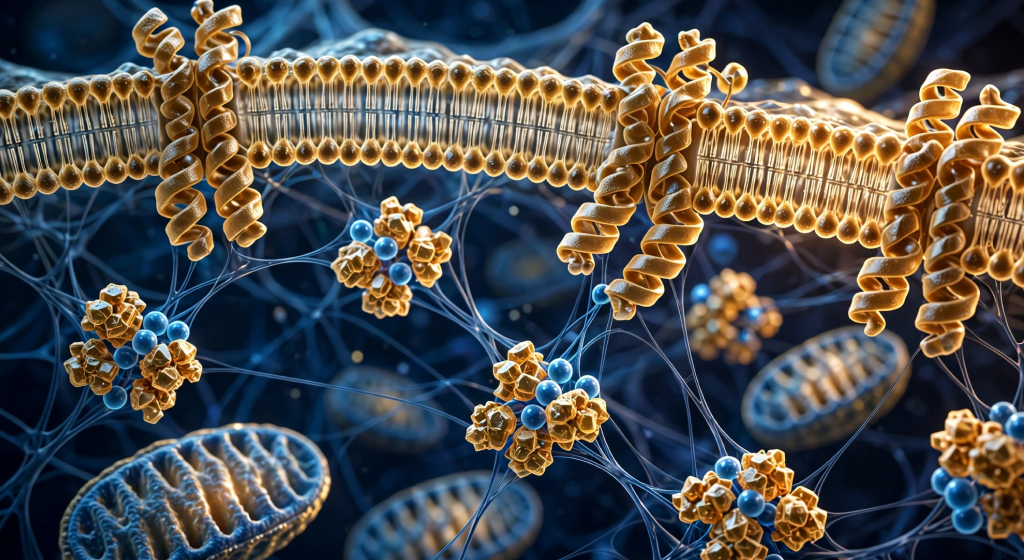
Intracellular calcium balance governs the absolute threshold between healthy cellular firing and devastating excitotoxic damage within central nervous circuits. When neurotransmitters like glutamate overstimulate surface receptors, extracellular calcium floods the internal cytoplasm of the cell in overwhelming quantities. The endocrine pathway orchestrating calcium homeostasis operates by regulating the genetic expression of L-type voltage-sensitive calcium channels alongside specialized buffering proteins like calbindin-D28k. Dependent on sufficient Vitamin D, calbindin acts like an internal molecular sponge, instantly capturing and sequestering stray calcium ions before they can destabilize vulnerable mitochondria.
If the intracellular buffering system collapses under severe chronic deficiency, unchecked calcium surges trigger aggressive enzymatic destruction, degrading structural proteins and prompting apoptotic cell suicide. This process of runaway excitotoxicity stands as a primary hallmark of rapid neurodegenerative progression and post-stroke brain injury. Maintaining adequate circulating Vitamin D concentrations preserves optimal calbindin reserves inside sensitive hippocampal neurons, granting cells the physical buffer needed to absorb intense excitation safely without slipping into cytotoxic shock.
- L-Type Channel Regulation: Tightly modulates the opening dynamics of voltage-gated ion channels to avert sudden cytosolic calcium surges.
- Calbindin-D28k Synthesis: Induces the synthesis of critical calcium-binding proteins that actively neutralize sudden molecular spikes.
- Mitochondrial Membrane Shielding: Prevents structural mitochondrial swelling and accidental enzymatic release caused by persistent intracellular ionic overload.
Final Thoughts on “Vitamin D and Brain Health: Neurogenesis and Cognitive Decline”
Reframing Vitamin D from a simple bone-building nutrient into a commanding neurosteroid represents one of the most actionable shifts in modern brain optimization. As the primary literature demonstrates, sustained genomic signaling touches virtually every hallmark of central nervous system vitality: from fostering adult neurogenesis and driving essential BDNF expression to quenching chronic microglial activation and protecting delicate synapses against silent attrition. Rather than waiting for early signs of cognitive decline or subjective brain fog to surface, adopting an intentional endocrine strategy protects your neural architecture during the decades when structural density matters most.
Translating this biochemical potential into lasting cerebral performance requires consistency, precise biomarker monitoring, and intelligent synergy with essential cofactors. Aiming for an optimal 25-hydroxyvitamin D serum range between 50 and 80 ng/mL—properly balanced with bioavailable magnesium and fat-soluble vitamin K2—transforms standard supplementation into a calibrated neuroprotective intervention. By taking proactive ownership of your internal chemistry today, you secure the cellular substrate needed for sharp processing speed, robust executive control, and enduring mental clarity throughout life.
- Proactive Neural Defense: Viewing Vitamin D as a foundational neurosteroid shifts the paradigm from treating symptoms to preserving synaptic architecture.
- Targeted Biomarker Precision: Maintaining serum levels between 50 and 80 ng/mL ensures full genomic saturation across deep brain receptors.
- Synergistic Longevity Stacking: Combining daily intake with magnesium and vitamin K2 maximizes physiological efficacy while eliminating vascular risks.