
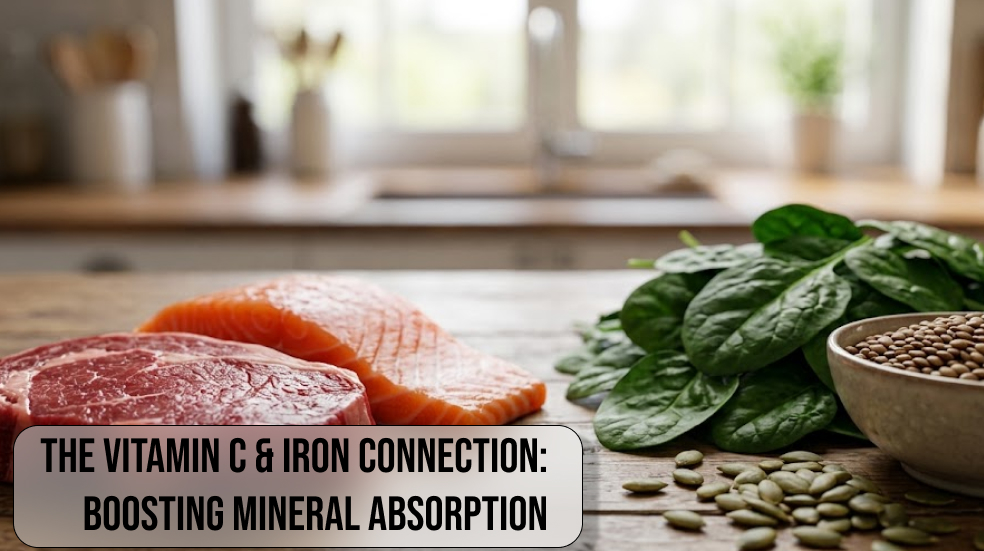
The Vitamin C & Iron Connection: Boosting Mineral Absorption. Iron serves as an indispensable element for human survival, playing a critical role in transporting oxygen, synthesizing cellular energy, and supporting broad metabolic health. However, the human body does not process all dietary iron in the exact same manner.
Heme iron, which is naturally present in animal tissues like beef, poultry, and fish, features high structural stability and boasts an impressive intestinal absorption rate ranging between 15% and 35%. Conversely, non-heme iron—found in plant foods such as spinach, lentils, seeds, legumes, and fortified grains—presents a much tougher digestive challenge. Under standard conditions, the human intestinal lining absorbs only 2% to 20% of ingested non-heme iron, making plant-based dietary strategies significantly less efficient on their own without smart, targeted nutritional intervention.
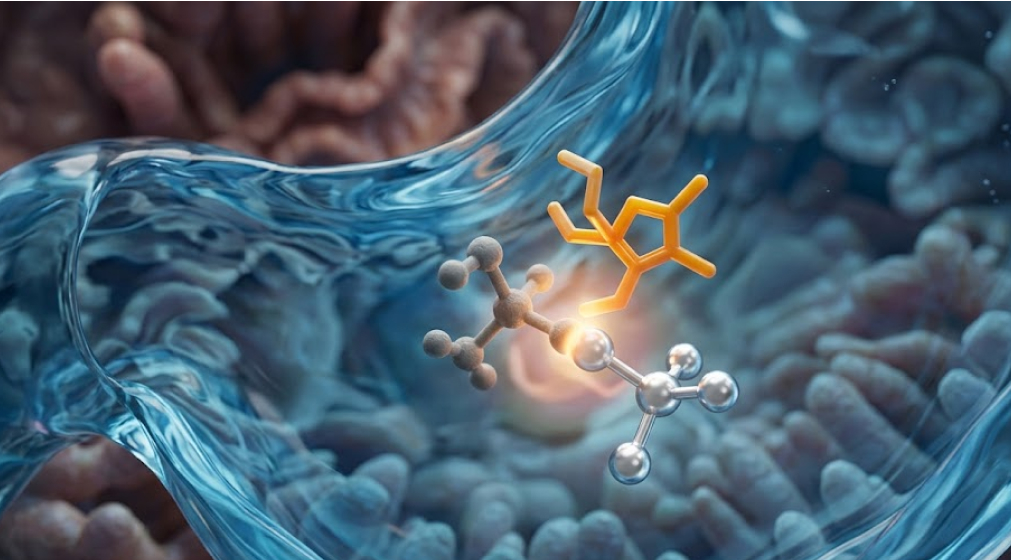
The primary reason behind this low absorption rate lies in the precise chemical structure of non-heme iron within plant tissues. In raw plant sources, this essential mineral exists predominantly in the oxidized ferric state, which is highly insoluble at normal intestinal pH levels and tends to bind tightly to other dietary compounds. As digesting food moves through the gastrointestinal canal, these ferric molecules frequently form insoluble complexes that pass through the body completely unabsorbed. .
Understanding the vitamin C and iron connection is essential for anyone who relies on plant foods or needs to improve overall micronutrient balance. By addressing the molecular limitations of non-heme sources, individuals can effectively overcome these absorption hurdles, transform their daily dietary performance, and achieve reliable systemic cellular oxygenation
- Distinguishing between animal-derived heme iron and plant-derived non-heme iron to evaluate daily nutrient uptake.
- Identifying structural barriers like the oxidized ferric state that prevent effective mineral absorption in the human gut.
- Implementing targeted dietary strategies to significantly improve non-heme iron bioavailability across various daily meal patterns.
The Biochemical Mechanism of Ascorbic Acid in Iron Uptake
To understand how ascorbic acid transforms mineral absorption, one must look closely at the precise chemical reactions occurring inside the stomach and upper intestine. Ascorbic acid acts as an extraordinarily powerful reducing agent in acidic environments. When introduced alongside non-heme iron sources, it rapidly donates an electron to convert insoluble ferric iron into highly soluble ferrous iron. This specific chemical conversion is vital because the primary transporter proteins in the human intestinal wall, known as divalent metal transporter 1, can only import iron when it exists in this reduced ferrous state. Without this essential electron donation, the vast majority of dietary non-heme iron simply passes through the gastrointestinal tract without ever entering systemic circulation.
Beyond simple chemical reduction, ascorbic acid forms a stable, soluble chelate with iron molecules under low gastric pH conditions. This specialized chelation process encapsulates the ferrous iron, preserving its solubility even as the digesting mixture moves from the acidic stomach into the more alkaline environment of the small intestine. By preventing iron from precipitating out of solution or binding to competing dietary compounds, ascorbic acid and iron absorption function together as a seamless, highly synergistic biological mechanism. This biochemical partnership increases iron uptake up to fourfold, proving that smart chemical pairing is far more effective for mineral retention than simply consuming larger quantities of raw, unassisted plant foods throughout the day.
- Converting insoluble ferric iron into soluble ferrous iron through a direct ferric to ferrous reduction process in the stomach.
- Binding iron in a protective chelate structure that maintains solubility during the transit into the small intestine.
- Activating intestinal DMT1 transport proteins to maximize total mineral transfer directly into the human bloodstream.
Synergistic Food Pairings for Maximum Nutrient Synergy
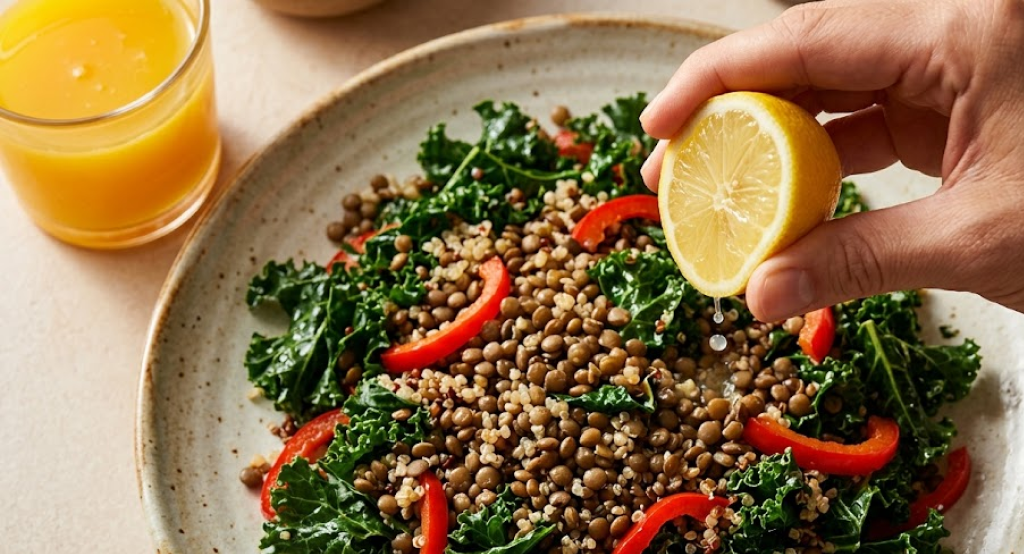
Translating biochemical principles into practical daily meal assembly allows individuals to dramatically optimize their micronutrient intake without complex dietary regimens. Designing meals around smart food combinations requires pairing non-heme iron sources with whole foods rich in active ascorbic acid. For example, combining dark leafy greens like kale or spinach with freshly squeezed lemon juice, raw red bell peppers, or sliced strawberries creates an immediate, highly supportive environment for mineral extraction. Similar synergy occurs when adding chopped tomatoes to lentil soups, drizzling citrus dressings over pumpkin seed salads, or consuming guava and papaya alongside iron-fortified oats. These whole-food pairings deliver natural co-factors, organic acids, and bioflavonoids that further support overall gut health.
Achieving optimal dietary nutrient synergy does not require exotic ingredients or complex culinary techniques. The critical factor relies on simultaneous consumption; eating high-vitamin C foods during the exact same meal as iron-dense foods yields the greatest improvement in mineral absorption. If ascorbic acid is consumed several hours after an iron-containing meal, its ability to reduce ferric iron drops precipitously because the digestive chyme has already moved past the primary absorption sites in the upper intestine. Consistently combining these foods during daily meals builds a reliable foundation for long-term mineral balance, supporting robust red blood cell production while reducing the need for heavy synthetic supplementation that can disrupt digestive harmony.
- Combining dark greens, beans, and seeds with fresh citrus juices or bell peppers to trigger rapid mineral liberation.
- Ensuring simultaneous intake of iron and ascorbic acid during meals to capture the peak upper-intestinal absorption window.
- Leveraging whole-food matrix benefits including bioflavonoids and organic acids for improved overall gut assimilation.
Overcoming Dietary Inhibitors That Block Iron Absorption
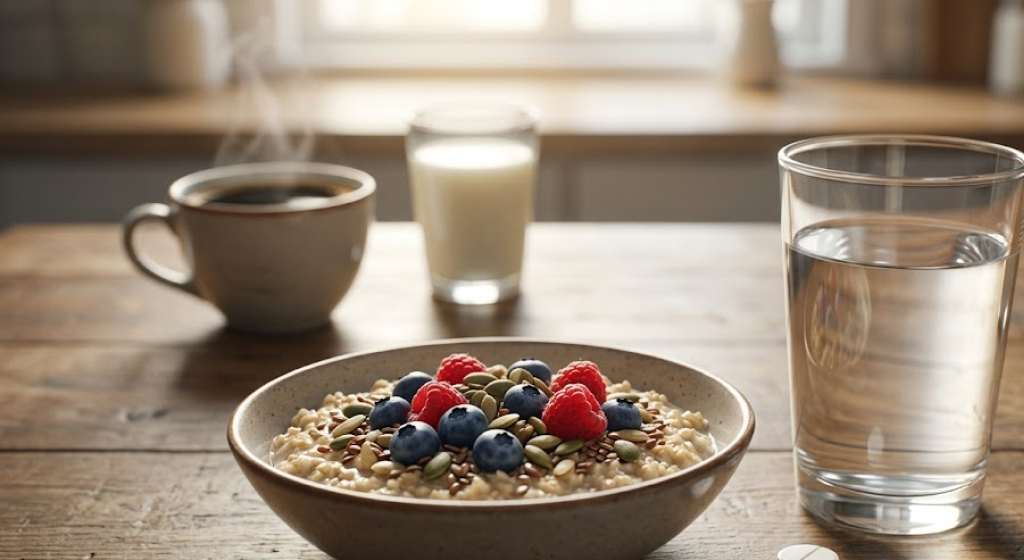
While ascorbic acid actively promotes mineral uptake, numerous naturally occurring compounds in popular foods actively work against it. Phytates, found in whole grains, legumes, nuts, and seeds, bind tightly to non-heme iron in the digestive tract, forming insoluble complexes that human digestive enzymes cannot break down. Similarly, polyphenols and tannins present in black tea, coffee, cocoa, and red wine act as potent iron absorption inhibitors. Drinking a cup of black tea or coffee alongside a meal can reduce non-heme iron absorption by up to 60% to 90%. Furthermore, high amounts of calcium from dairy products or heavy calcium carbonate supplements compete directly for the same intestinal transporter channels, choking off iron entry into mucosal cells.
Fortunately, ascorbic acid possesses a unique ability to counter the negative impact of these inhibitory compounds. When present in sufficient quantities, ascorbic acid outcompetes phytates and polyphenols for iron binding sites, preventing the formation of unabsorbable mineral matrices. To further protect plant-based iron uptake, individuals should employ strategic timing habits alongside smart food preparation. Consuming tea, coffee, and dairy items at least one to two hours away from iron-rich meals minimizes direct chemical competition in the stomach. Additionally, utilizing traditional preparation methods like soaking, sprouting, or fermenting grains and legumes degrades phytic acid levels naturally, making it vastly easier for ascorbic acid to perform its vital reducing role during digestion.
- Identifying primary dietary inhibitors such as phytates, polyphenols, and high-dose calcium that hinder mineral uptake.
- Utilizing sufficient ascorbic acid to outcompete inhibitory compounds and preserve soluble iron complexes in the gut.
- Spacing tea, coffee, and dairy consumption at least ninety minutes away from core iron-rich meals.
Optimizing Supplement Protocols and Strategic Timing
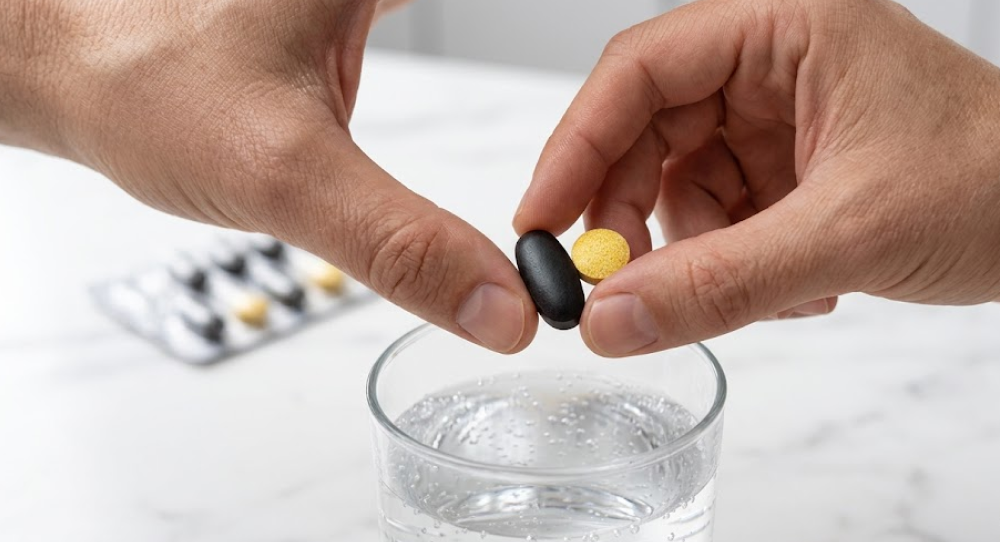
For individuals requiring targeted therapeutic restoration of their iron reserves, oral supplementation remains a standard protocol. However, traditional high-dose iron supplements frequently cause unpleasant gastrointestinal side effects, including nausea, constipation, abdominal cramping, and dark stools. These issues occur because unabsorbed iron sits in the large intestine, promoting oxidative stress and altering the balance of the gut microbiome. By integrating biohacking iron absorption protocols, users can achieve superior systemic results with significantly lower doses of elementally active iron. Pairing a modest dose of ferrous bisglycinate or ferrous fumarate with 100 to 200 milligrams of pure ascorbic acid dramatically improves mucosal transfer efficiency while minimizing residual unabsorbed iron in the bowel.
Strategic timing further elevates the efficacy of supplemental protocols. Taking iron and vitamin C together on an empty stomach with a full glass of water optimizes gastric acidity, which is necessary for maximum mineral dissolution. However, for those with delicate digestive linings, taking supplements with a light, low-calcium, low-phytate snack ensures comfort without sacrificing overall uptake. Emerging research also suggests that alternate-day iron dosing, combined with consistent vitamin C co-ingestion, lowers the release of hepcidin—a liver hormone that restricts iron absorption when blood levels surge. This refined dosing schedule maximizes total intestinal absorption efficiency, protects gastrointestinal comfort, and accelerates recovery from depleted systemic stores.
- Pairing lower doses of highly bioavailable iron forms with ascorbic acid to reduce gastrointestinal side effects.
- Utilizing empty-stomach protocols or light non-inhibitory snacks to balance gastric acid levels with digestive comfort.
- Implementing alternate-day supplement schedules to prevent excessive hepcidin spikes and sustain long-term mineral uptake.

Mitochondrial Energy and Cellular Vitality Benefits
The ultimate purpose of optimizing iron uptake extends far beyond preventing deficiency; it directly fuels the cellular machinery that drives human vitality, cognitive focus, and physical endurance. Iron forms the core functional center of hemoglobin, the protein responsible for transporting oxygen from the lungs to every tissue in the body, as well as myoglobin, which stores oxygen inside muscle fibers. When iron levels are optimized through efficient vitamin C co-ingestion, cellular oxygen delivery reaches peak capacity. This steady oxygen supply allows tissues to function at high efficiency, improving mental clarity, stamina, thermoregulation, and immune resilience while preventing the debilitating fatigue associated with suboptimal oxygen transport.
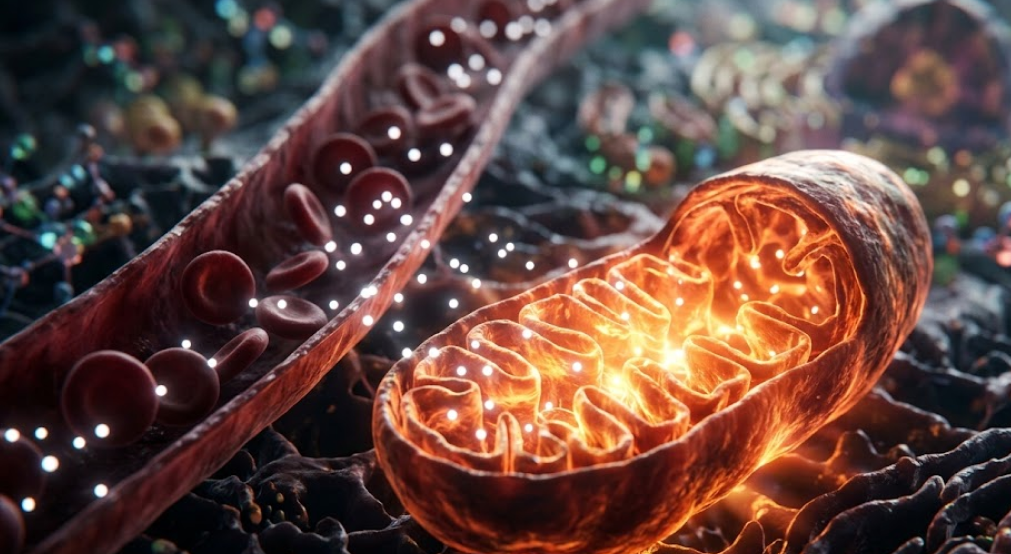
On a deeper cellular level, iron is an irreplaceable catalyst for mitochondrial ATP production. Within the inner mitochondrial membrane, iron-sulfur clusters and heme-containing cytochromes form the electron transport chain, which converts nutrients and oxygen into usable cellular energy currency. Without adequate iron, these electron transport complexes fail to operate efficiently, leading to reduced ATP generation and increased cellular oxidative stress. By supporting systemic mineral balance, the combination of vitamin C and iron enhances cellular respiration, sharpens physical performance, and promotes rapid muscle recovery following intensive exertion. Supporting these pathways ensures that every cell operates with optimal bioenergetic capacity throughout the day.
- Enhancing systemic hemoglobin and myoglobin synthesis to ensure efficient tissue oxygenation and sustained stamina.
- Powering iron-sulfur clusters within the electron transport chain for optimal cellular energy currency generation.
- Accelerating post-exercise muscle recovery and mitigating physical fatigue by maintaining steady cellular respiration.
Final Thoughts on “The Vitamin C & Iron Connection: Boosting Mineral Absorption”
Mastering the intricate relationship between ascorbic acid and non-heme iron represents one of the most accessible, high-yield tools in modern functional nutrition. Rather than relying on massive single-nutrient doses that frequently induce gastrointestinal distress or mineral imbalances, leveraging biological nutrient synergy allows individuals to unlock the full metabolic potential of everyday plant-based foods and targeted supplementation routines. Simple, intentional adjustments in daily meal construction—such as squeezing fresh citrus over leafy greens, selecting bioavailable mineral compounds, or smartly timing polyphenol intake—create profound cumulative benefits for systemic cellular health, red blood cell production, and sustained daily energy over time.
Ultimately, optimizing mineral uptake is less about adhering to overly restrictive dietary trends and more about mastering the fundamental chemical principles that govern human digestive biochemistry. By pairing smart nutritional strategies with periodic blood biomarker monitoring, health-conscious individuals can build a resilient foundation for long-term physiological efficiency. Embracing these evidence-based biohacking strategies provides a clear, sustainable pathway toward superior physical stamina, cognitive sharpness, and overall metabolic vitality, ensuring that every nutrient consumed translates directly into measurable biological performance.
- Integrating natural ascorbic acid sources to maximize plant-based mineral bioavailability while mitigating gastrointestinal side effects.
- Establishing routine biomarker evaluations to maintain safe, effective synergistic nutrient management across all life stages.
- Implementing strategic meal timing habits to safeguard cellular oxygen transport, mitochondrial function, and long-term metabolic health.