

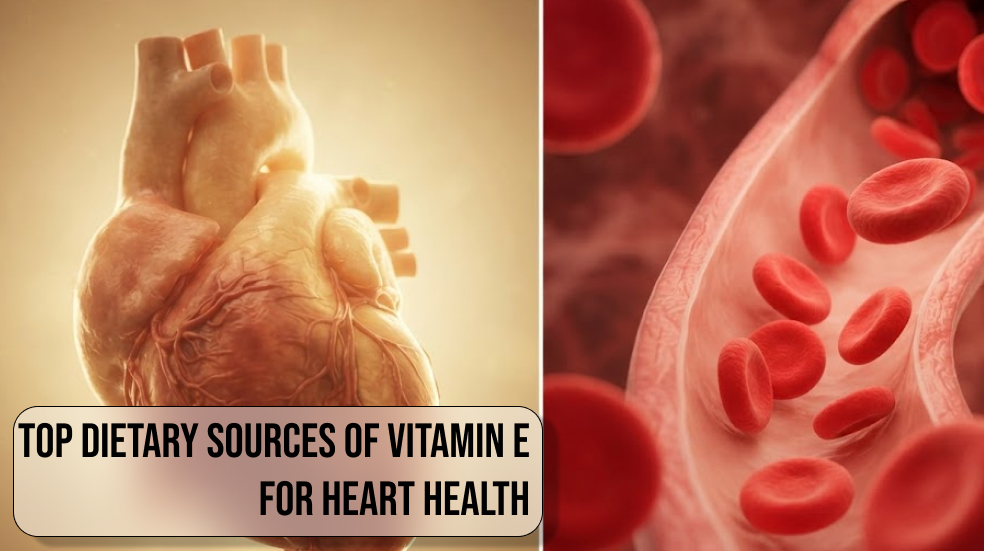
Top Dietary Sources of Vitamin E for Heart Health. Vitamin E is a vital fat-soluble nutrient that operates primarily as a powerful cellular defender within the human body. Its main physiological duty involves protecting cell membranes from oxidative stress caused by free radicals, which are unstable molecules that can damage cellular structures over time. Within the cardiovascular system, this protective mechanism is especially important for preserving the structural integrity of blood vessels and preventing the oxidative modification of circulating lipids.
When low-density lipoproteins undergo oxidation, they tend to trigger inflammatory responses along arterial walls, setting the stage for plaque accumulation and long-term arterial stiffness. By neutralizing these reactive oxygen species, Vitamin E helps maintain healthy vascular elasticity and supports optimal blood flow throughout the entire systemic circulation.

Beyond its antioxidant capacity, adequate dietary Vitamin E influences various enzymatic pathways and cellular signaling mechanisms that regulate vascular tone and platelet aggregation. Optimal tissue levels assist in modulating normal blood clotting processes, ensuring that platelets do not clump together inappropriately within the vascular lumen. Maintaining this balanced state is crucial for reducing the risk of sudden microvascular blockages and maintaining overall heart rhythm stability. Incorporating Vitamin E rich choices into your daily routine provides a reliable foundation for long-term cardiac resilience without relying on synthetic interventions. Understanding how this essential Vitamin E interacts with daily metabolic demands allows you to make informed decisions about your nutritional habits and cardiovascular support strategies.
- Acts as a primary fat-soluble antioxidant powered by Vitamin E to defend vascular membranes against oxidative stress.
- Utilizes Vitamin E to inhibit the oxidation of circulating lipids and support long-term arterial wall integrity.
- Relies on adequate Vitamin E status to modulate normal platelet aggregation and maintain balanced blood flow dynamics.
Understanding Tocopherols and Tocotrienols for Heart Protection
When examining the biochemical structure of this nutrient, researchers classify Vitamin E into eight distinct chemical forms divided into two main categories known as tocopherols and tocotrienols. Each category further breaks down into alpha, beta, gamma, and delta variants, each possessing unique biological activities and tissue distribution patterns within the human body. Among these distinct forms of Vitamin E, alpha-tocopherol is the most actively maintained variant in human blood plasma and receives the highest amount of research attention for its specific systemic benefits. However, gamma-tocopherol, another vital fraction of Vitamin E frequently found in common plant seeds and vegetable oils, plays an equally critical role in neutralizing specific types of nitrogen-reactive species that contribute to systemic inflammation and vascular aging.
The presence of tocotrienol-rich Vitamin E fractions, characterized by unsaturated side chains, introduces another layer of cardiovascular support by influencing lipid metabolism within the liver. These specialized variants help regulate endogenous cholesterol synthesis pathways and support healthy lipid profiles already within the normal range. Consuming a diverse dietary intake of Vitamin E ensures that your body receives a balanced spectrum of both tocopherols and tocotrienols rather than an isolated single compound. This synergistic combination of Vitamin E works more effectively within cellular environments, offering comprehensive protection against the multi-faceted mechanisms of cardiovascular decline. Embracing dietary diversity is therefore the most efficient way to capture the full spectrum of cardiovascular benefits associated with this essential Vitamin E family.
- Encompasses eight distinct chemical variants of Vitamin E divided into tocopherols and tocotrienols.
- Highlights alpha-tocopherol as the primary bioactive form of Vitamin E maintained in human blood plasma.
- Features diverse Vitamin E compounds for specialized management of nitrogen-reactive species and lipid synthesis.
Sunflower Seeds as a Nutrient-Dense Daily Addition
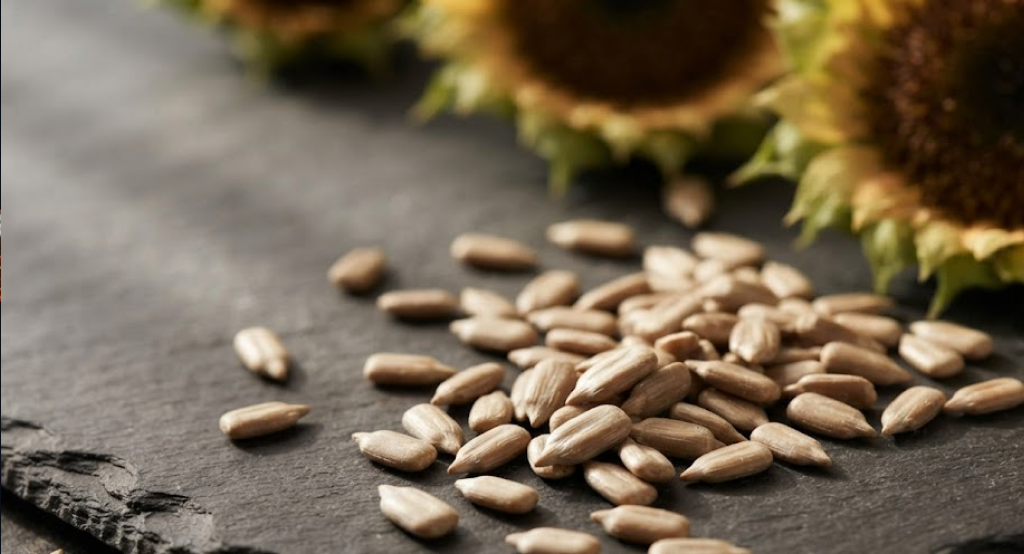
Sunflower seeds represent one of the most accessible and concentrated natural sources of Vitamin E available in everyday grocery stores. A single standard serving of these small kernels delivers a substantial portion of your daily Vitamin E requirements, making them an effortless addition to various meals and snacks. Beyond their impressive Vitamin E profile, sunflower seeds are rich in beneficial plant sterols, which naturally assist in maintaining healthy cholesterol absorption patterns within the digestive tract. These plant compounds work harmoniously with alpha-tocopherol Vitamin E to reduce overall systemic inflammation and protect delicate endothelial tissues from everyday metabolic stressors.
Incorporating these Vitamin E packed seeds into your routine requires very little preparation, as they can be easily tossed into morning porridge, blended into homemade pestos, or sprinkled over crisp garden salads. Choosing raw or gently dry-roasted varieties without excessive sodium ensures that you maximize the Vitamin E cardiovascular benefits while avoiding unnecessary additives that might counteract heart-healthy goals. The healthy fats naturally present in the seeds also enhance the intestinal absorption of fat-soluble Vitamin E, creating a highly efficient delivery system for the body. Making this simple adjustment to your daily menu provides a steady, reliable stream of protective Vitamin E that actively supports your long-term cardiovascular vitality.
- Provides a highly concentrated natural supply of dietary Vitamin E in every single serving.
- Contains natural plant sterols that work alongside Vitamin E to manage normal cholesterol absorption pathways.
- Offers versatile culinary applications that seamlessly deliver Vitamin E into raw, roasted, or blended meal formats.
Almonds and Their Superior Cardiovascular Benefits
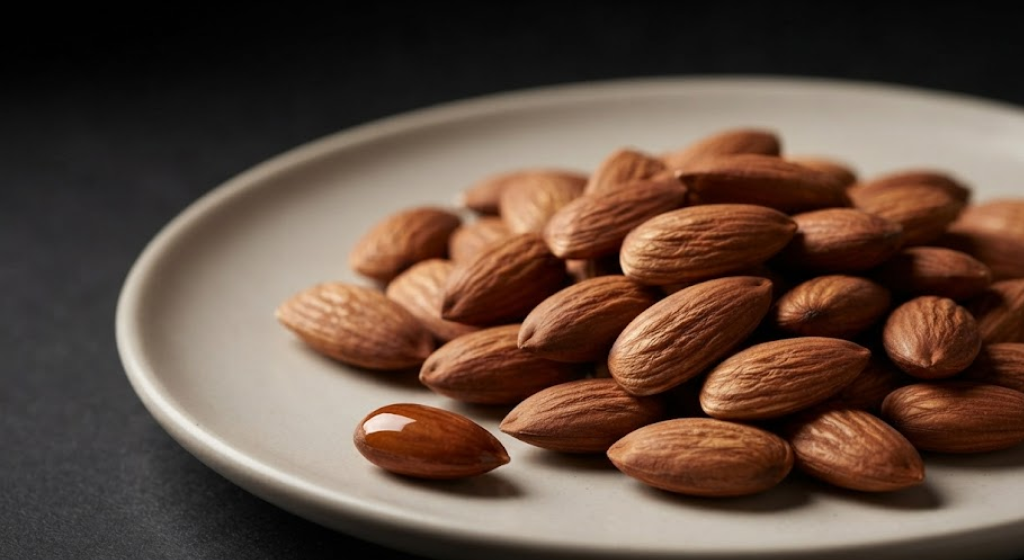
Almonds stand out among tree nuts for their exceptional concentration of alpha-tocopherol Vitamin E, along with a dense matrix of monounsaturated fats, dietary fiber, and essential minerals like magnesium. This unique combination makes them a powerhouse for supporting endothelial function and promoting healthy blood vessel relaxation throughout the body. The monounsaturated fats present in almonds help maintain favorable lipid ratios by supporting high-density lipoprotein cholesterol levels while keeping low-density lipoprotein particles protected by Vitamin E from oxidative damage. Furthermore, the skin of the almond supplies a rich array of protective polyphenols that work synergistically with the internal Vitamin E nutrient profile to amplify systemic antioxidant defenses.
Consuming a moderate handful of almonds daily provides a sustained release of energy and Vitamin E micronutrients without causing rapid fluctuations in blood glucose levels, which is a key factor in protecting metabolic health. This steady nutritional supply of Vitamin E ensures that your cardiovascular tissues remain continuously fortified against daily oxidative challenges and inflammatory triggers. Whether eaten raw, soaked to improve digestibility, or ground into a natural spread, almonds offer a delicious and practical way to elevate your daily Vitamin E intake. Integrating this traditional food source into your long-term wellness plan creates a sustainable habit that actively champions your heart health and overall longevity through targeted Vitamin E delivery.
- Delivers high concentrations of alpha-tocopherol Vitamin E paired with heart-friendly monounsaturated fats.
- Features polyphenol-rich skins that work synergistically with internal Vitamin E antioxidants to protect vascular tissues.
- Supports steady metabolic energy while supplying reliable Vitamin E to maintain balanced lipid profiles over time.
Avocados as a Unique Creamy Source of Vital Nutrients
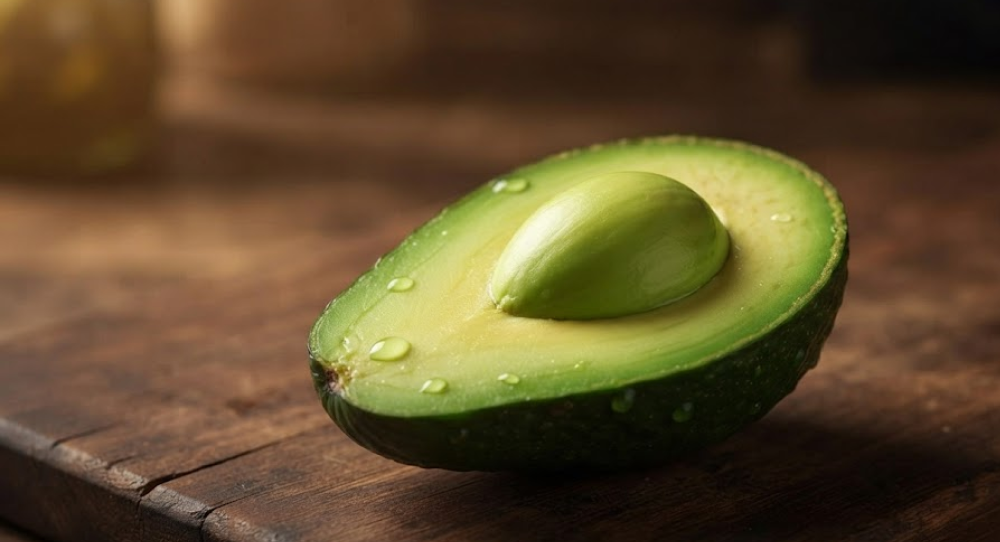
Avocados offer a refreshing departure from traditional seed and nut sources by delivering vitamin E within a rich, creamy texture and a high water-containing fruit matrix. This unique composition allows the body to absorb the fat-soluble micronutrients with exceptional efficiency, thanks to the natural presence of healthy monounsaturated oleic acid. Beyond providing targeted cellular defense, avocados supply significant amounts of potassium, a mineral that plays an indispensable role in regulating normal blood pressure and fluid balance. Maintaining optimal potassium levels helps counteract the physiological effects of dietary sodium, thereby reducing unnecessary strain on the arterial walls and supporting overall circulatory efficiency.
The culinary versatility of avocados makes them remarkably easy to incorporate into everything from morning toast toppings and smoothie bases to dressings and savory grain bowls. Their rich mouthfeel satisfies the appetite while delivering sustained nourishment that keeps cardiovascular tissues functioning smoothly under normal metabolic demands. Regular inclusion of this nutrient-dense fruit also supports healthy metabolic flexibility, ensuring your body processes dietary fats efficiently and maintains balanced systemic parameters. Embracing avocados as a staple dietary component transforms everyday eating into a flavorful strategy for long-term heart maintenance.
- Combines vitamin E delivery with rich monounsaturated oleic acid for enhanced nutrient absorption.
- Supplies abundant potassium to help regulate normal blood pressure and reduce vascular strain.
- Offers versatile culinary integration that supports metabolic flexibility and daily circulatory health.

Leafy Green Vegetables and Their Subtle Contributions
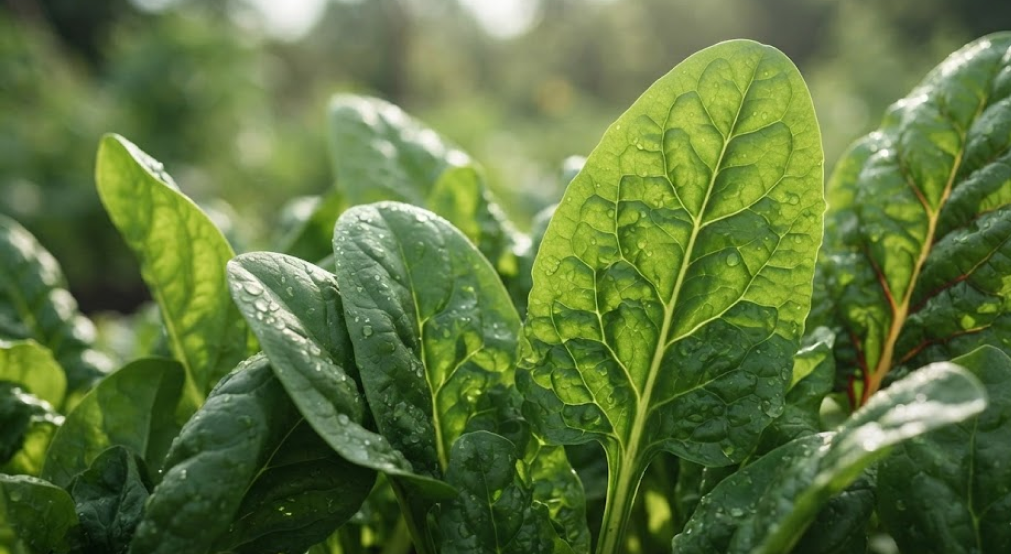
While leafy green vegetables like spinach and Swiss chard are widely celebrated for their high vitamin K and folate content, they also provide meaningful amounts of protective tocopherols. These greens introduce a complex matrix of carotenoids, flavonoids, and dietary fiber that work collectively to reduce systemic inflammation and support optimal cardiovascular performance. The presence of natural nitrates in these vegetables further assists in promoting vascular relaxation and maintaining flexible blood vessel walls during physical exertion or stress. By combining multiple complementary micronutrients in a single serving, leafy greens offer a well-rounded approach to supporting overall heart wellness.
Incorporating a generous portion of cooked or raw greens into your daily meals ensures a steady supply of these supportive compounds without overwhelming your caloric intake. Cooking greens lightly in a small amount of healthy oil helps break down cell walls and significantly improves the bioavailability of the fat-soluble components contained within the leaves. This simple culinary technique maximizes the nutritional yield of every bite, ensuring your cardiovascular system receives maximum benefit from simple, whole foods. Making leafy greens a consistent cornerstone of your dietary pattern provides foundational stability for your entire circulatory network.
- Supplies supportive tocopherols alongside valuable carotenoids, flavonoids, and dietary fiber.
- Contains natural nitrates that promote vascular relaxation and maintain flexible arterial walls.
- Maximizes micronutrient bioavailability when lightly prepared with healthy cooking oils.
Final Thoughts on “Top Dietary Sources of Vitamin E for Heart Health”
Optimizing your daily intake of protective micronutrients represents one of the most effective, proactive measures you can take to safeguard long-term cardiovascular health. Throughout this exploration, we have examined how key dietary sources work synergistically to neutralize oxidative stress, protect delicate vascular membranes, and support balanced lipid metabolism. Rather than depending on isolated compounds or synthetic interventions, embracing a whole-food approach ensures that your body receives a complete, biologically harmonious spectrum of tocopherols and tocotrienols. True longevity is built upon the consistent, mindful integration of nutrient-dense staples into your daily routine.
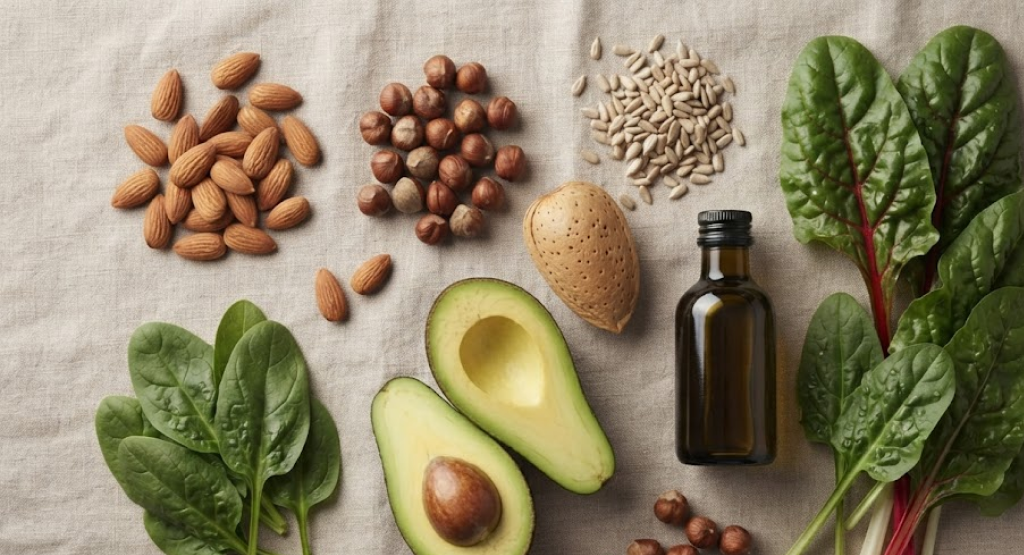
Transforming these nutritional insights into lasting habits does not require drastic dietary overhauls, but rather a series of intentional, sustainable choices. By incorporating sunflower seeds, almonds, avocados, leafy greens, and cold-pressed plant oils into your meals, you provide your circulatory system with the structural and defensive support it requires. This holistic strategy empowers you to take meaningful control of your physical well-being, fostering enduring vitality and robust heart health for the years ahead.
- Emphasizes whole-food synergies over isolated supplements for comprehensive long-term cardiovascular support.
- Translates nutritional science into simple, sustainable daily habits that protect vascular integrity.
- Empowers proactive self-care through conscious, nutrient-dense dietary choices.


