

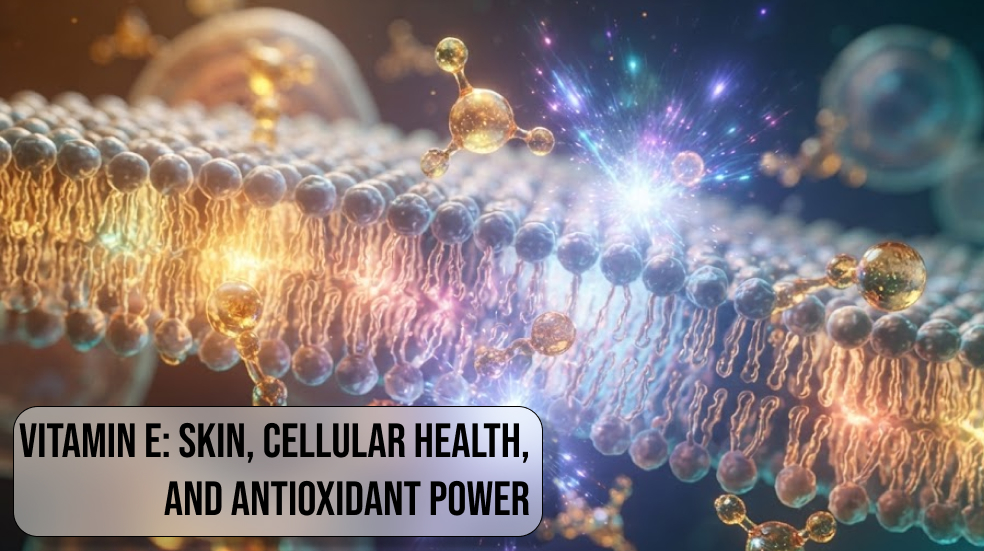
Vitamin E: Skin, Cellular Health, and Antioxidant Power. Vitamin E is not a single isolated compound but rather a complex family consisting of eight distinct fat-soluble molecules, divided structurally into four tocopherols and four tocotrienols. Among these variants, alpha-tocopherol stands out as the primary biological form preferentially absorbed and utilized by the human body to maintain metabolic equilibrium. Functioning as a premier lipid-soluble antioxidant, its fundamental evolutionary purpose is to safeguard cellular and subcellular membranes against the relentless onslaught of oxidative stress generated by free radicals.
Every single cell comprising human tissues is encased in a delicate lipid bilayer, which remains inherently vulnerable to structural degradation driven by reactive oxygen species. Without continuous defensive neutralization, these highly unstable chemical entities initiate vicious cycles of lipid peroxidation, which systematically compromise cellular integrity, impair transmembrane transport proteins, and accelerate biological aging across all major organ systems.
By embedding its hydrophobic tail directly into the core of cell membranes, vitamin E intercepts free radicals before they can strip electrons away from critical structural lipids and membrane-bound enzymes. This continuous, localized defensive action preserves the functional capacity and structural resilience of mitochondria, endoplasmic reticulum, and cellular DNA against daily environmental stressors. Maintaining optimal cellular resilience requires an uninterrupted supply of this vital nutrient to counteract exogenous threats such as atmospheric pollution, ultraviolet radiation, and normal endogenous metabolic byproducts. Ultimately, your overall systemic vitality and long-term tissue survival rely heavily on this microscopic defense system operating efficiently across trillions of specialized cells every single day.
- Lipid-soluble molecular structure enables seamless integration directly into cellular and subcellular membranes for targeted, highly localized antioxidant defense.
- Immediate neutralization of free radicals actively prevents catastrophic cellular degradation and halts destructive lipid peroxidation chain reactions.
- Preservation of mitochondrial structural integrity directly supports sustained cellular energy production, metabolic efficiency, and overall tissue longevity.
How Vitamin E Protects Your Skin from Premature Aging
Human skin serves as the body’s primary mechanical and biochemical barrier against the external environment, exposing it constantly to severe environmental stressors that make it a primary battleground for oxidative damage. Ultraviolet radiation from sunlight, industrial air pollutants, and ambient particulate matter generate massive quantities of free radicals within the dermal and epidermal layers. These reactive species actively degrade structural collagen fibers and elastin networks, leading directly to the formation of premature wrinkles, fine lines, and irregular hyperpigmentation. Vitamin E for skin protection acts as a formidable, multi-layered biochemical shield, absorbing high-energy UV photons and neutralizing oxidative threats long before they can permanently damage structural dermal proteins.
Beyond its direct free-radical scavenging properties, this remarkable nutrient works in close biochemical synergy with ascorbic acid to regenerate cutaneous cells and maintain a smooth, highly resilient skin texture. Whether integrated into topical formulations or consumed via nutrient-dense whole foods, it fortifies the stratum corneum, locking in essential moisture and drastically minimizing transepidermal water loss. This powerful dual action of structural defense and deep physiological hydration helps maintain a youthful, vibrant complexion, visibly minimizes the appearance of scars, and supports the skin’s innate healing mechanisms against everyday environmental irritations and minor thermal injuries.
- Targeted neutralization of UV-induced free radicals effectively prevents the enzymatic breakdown of dermal collagen and elastic fibers.
- Synergistic biochemical interaction with vitamin C significantly enhances overall antioxidant recycling capacity and accelerates skin tissue regeneration.
- Reinforcement of the natural skin barrier successfully reduces chronic moisture loss and supports daily physiological hydration and elasticity.
The Core Antioxidant Mechanisms Supporting Cellular Longevity
Cellular longevity is fundamentally dictated by how effectively your body manages cumulative oxidative stress over decades of continuous metabolic activity. The relentless intracellular accumulation of free radicals progressively damages vital cellular machinery over time, driving chronic low-grade systemic inflammation and accelerating systemic biological aging. The intrinsic antioxidant power of vitamin E lies within its unique chemical ability to abruptly break the propagating chain reactions of lipid peroxidation. When an aggressive free radical attacks a neighboring polyunsaturated fatty acid molecule, it sparks a destructive chain reaction capable of destroying surrounding cellular components unless a dedicated antioxidant steps in to interrupt the cycle.
Vitamin E accomplishes this defense by donating a labile hydrogen atom to these dangerous reactive molecules, safely neutralizing them while converting itself into a relatively stable tocopheryl radical in the process. Through sophisticated enzymatic systems involving intracellular partners like glutathione and vitamin C, this spent molecule is efficiently recycled back into its fully active antioxidant state. This continuous biochemical recycling loop guarantees maximum defensive efficiency with minimal metabolic waste, protecting vulnerable tissues across the cardiovascular, neurological, and immune systems from the cumulative wear and tear of daily life.
- Interruption of lipid peroxidation chain reactions protects vital internal organ tissues from progressive, irreversible oxidative degradation.
- Donation of labile hydrogen atoms safely and effectively neutralizes highly reactive oxygen species without generating dangerous byproducts.
- Efficient molecular recycling systems maintain continuous, uninterrupted antioxidant activity within high-metabolism tissues and organs.
Synergistic Relationships: Vitamin E and Other Key Micronutrients
No individual nutrient operates in complete biochemical isolation within human metabolism, and vitamin E serves as a textbook example of collaborative, multi-nutrient biochemistry. The most famous and thoroughly researched partnership exists between vitamin E and vitamin C, where ascorbic acid directly reduces oxidized tocopheryl radicals back into their active, functional antioxidant form. This sophisticated biochemical teamwork ensures that your primary lipid-soluble membrane defender remains robustly active even after successfully neutralizing multiple successive waves of free radicals across both aqueous and lipid cellular compartments.
Mineral cofactors such as selenium also play a vital collaborative role by acting as an indispensable structural component for glutathione peroxidase, an essential enzyme that works side-by-side with tocopherols to protect intracellular membranes from oxidative destruction. Incorporating a balanced, diverse array of supporting micronutrients ensures that your internal antioxidant defense networks operate smoothly without running into metabolic bottlenecks. Relying exclusively on single-nutrient high-dose supplements often overlooks the deeply interconnected nature of human biology, whereas supporting these collaborative nutrient pathways simultaneously yields vastly superior long-term health outcomes.
- Enzymatic regeneration via vitamin C successfully restores depleted antioxidant capacity immediately following free radical neutralization events.
- Close biochemical collaboration with selenium optimizes robust enzymatic defenses against destructive oxidative tissue damage.
- Comprehensive support for balanced micronutrient networks prevents hidden biochemical deficiencies and enhances overall systemic metabolic resilience.
Dietary Sources and Bioavailability of Natural Tocopherols
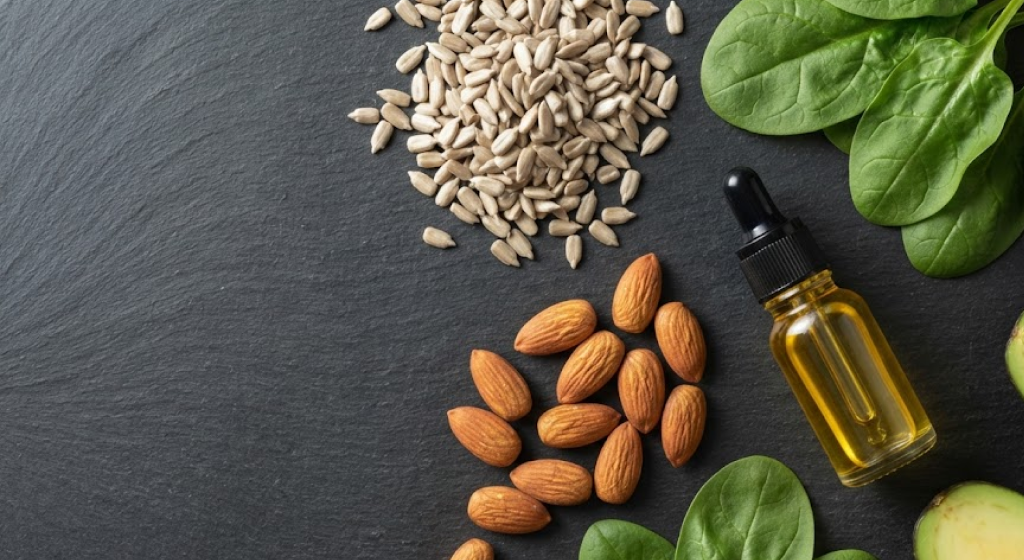
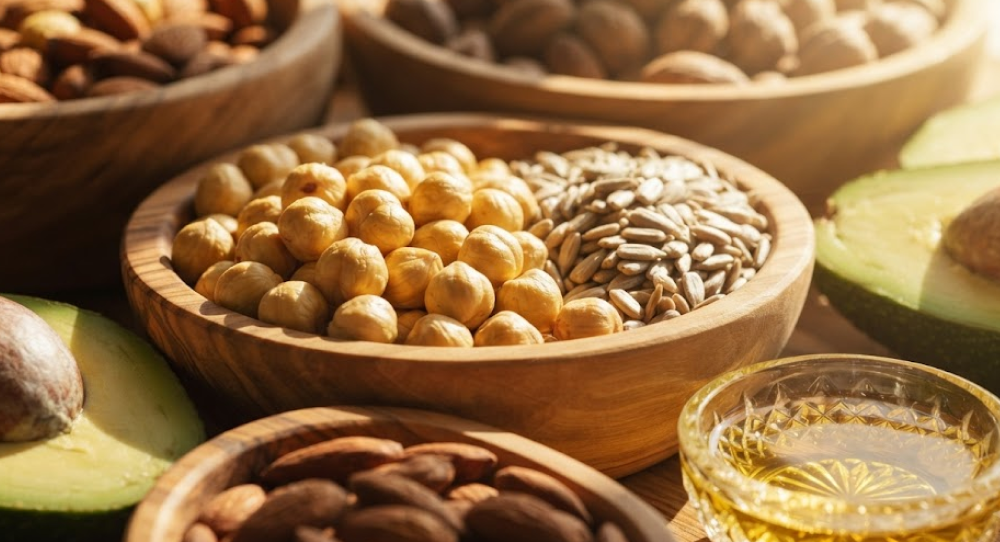
Obtaining sufficient physiological amounts of this essential nutrient requires a deliberate, mindful approach to daily nutrition, with a primary focus on whole, minimally processed foods. Rich natural dietary sources include raw sunflower seeds, almonds, hazelnuts, dark leafy greens like spinach, and avocados, alongside cold-pressed plant oils such as extra virgin olive oil and unrefined wheat germ oil. Natural vitamin E, universally classified and labeled as d-alpha-tocopherol, possesses a stereoisomeric molecular configuration vastly different from synthetic petrochemical-derived versions, making it significantly more bioavailable and effectively utilized by human metabolic pathways.
Because it is strictly a fat-soluble vitamin, proper intestinal absorption in the gastrointestinal tract depends entirely upon the simultaneous presence of dietary fats and functional bile salts. Consuming vitamin E-rich nuts, seeds, or plant oils alongside a balanced meal containing healthy dietary lipids dramatically improves intestinal uptake efficiency and subsequent transport into the bloodstream via chylomicrons. Understanding these fundamental digestive mechanics empowers you to maximize the true nutritional value of your meals without resorting to excessive, high-dose isolated supplements that risk disrupting delicate internal biochemical balances.
- High biological availability in natural stereoisomeric forms ensures superior tissue retention and utilization across human organ systems.
- Strict fat-dependent intestinal absorption mechanics require dietary lipids for optimal uptake and transport into systemic circulation.
- Nutrient-dense whole food dietary sources provide a broad, balanced spectrum of beneficial tocopherols and co-occurring tocotrienols.
Managing Oxidative Stress for Enhanced Immune Function
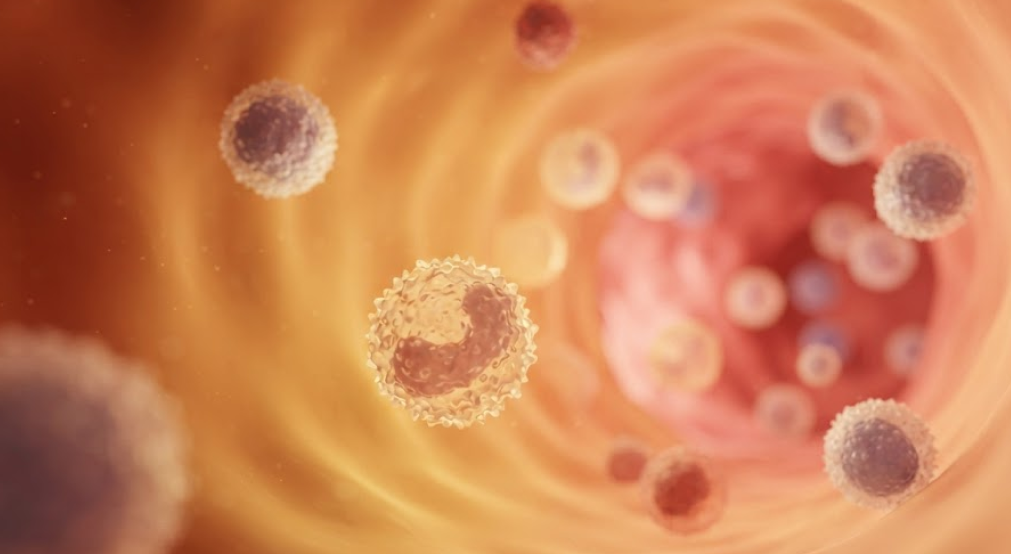
A robust, highly responsive immune system requires continuous, uninterrupted protection from oxidative stress to function at its absolute physiological peak. Specialized immune cells, particularly circulating T-lymphocytes and active macrophages, deliberately generate reactive oxygen species to destroy invading pathogens, but this defensive “friendly fire” can severely damage the immune cells themselves if local antioxidant reserves are inadequate. Cellular health and vitamin E intersect directly at this critical juncture, as adequate tissue concentrations protect white blood cells from self-inflicted oxidative damage during intense, active immune responses.
As individuals age, immune responsiveness naturally and progressively declines—a complex biological phenomenon frequently linked to rising systemic inflammation and chronic oxidative stress. Maintaining proper cellular status helps preserve healthy immune cell proliferation, signal transduction, and receptor function, keeping internal defense mechanisms sharp and rapidly responsive. By safeguarding these delicate, high-turnover cellular populations, you actively support your body’s innate ability to ward off seasonal pathogens and maintain long-term systemic equilibrium.
- Protection of white blood cell populations prevents self-inflicted oxidative damage during active pathogen destruction phases.
- Preservation of T-cell proliferation rates supports robust, adaptable immune responsiveness across all stages of adult life.
- Reduction of chronic systemic inflammation helps maintain optimal overall immune system balance, surveillance, and resilience.

Final Thoughts on “Vitamin E: Skin, Cellular Health, and Antioxidant Power”
Mastering your body’s internal antioxidant defense network is a cornerstone of effective biohacking and long-term metabolic preservation. Vitamin E is far more than a simple dietary supplement; it is an essential biochemical linchpin that protects delicate cellular membranes, preserves neurological resilience, and defends your skin against the relentless onslaught of daily oxidative stress. By prioritizing natural, bioavailable tocopherols from whole foods and understanding the delicate synergy between fat-soluble antioxidants and aqueous nutrients like vitamin C, you lay a rock-solid foundation for sustainable longevity.
True physiological optimization always hinges on balance, consistency, and a personalized approach rather than reckless, high-dose supplementation. Whether you are aiming to enhance skin integrity, support immune surveillance, or protect cognitive function as you age, maintaining steady cellular protection yields profound systemic rewards. Implement these evidence-based strategies mindfully, listen closely to your body’s biofeedback, and let targeted nutritional science work seamlessly for your long-term vitality.
- Prioritize natural food matrices to ensure superior bioavailability and avoid the metabolic pitfalls of synthetic alternatives.
- Respect the power of biochemical synergy by supporting collaborative nutrient networks involving vitamin C, selenium, and dietary fats.
- Approach supplementation with precision by testing baseline levels and focusing on steady, long-term cellular protection rather than quick fixes.


