
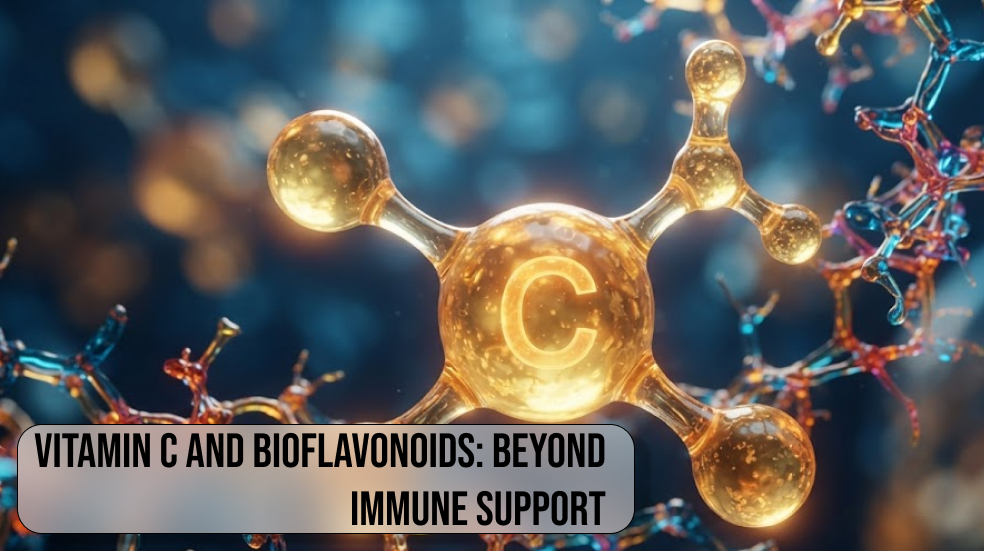
Vitamin C and Bioflavonoids: Beyond Immune Support. The classic perception of vitamin C as a simple immune booster often obscures its far more complex and multifaceted role in human physiology. While it is widely recognized and frequently marketed for its ability to shorten the duration of the common cold or provide a quick defensive spike during the winter months, its systemic impact is actually governed by a much more sophisticated partnership with a diverse family of plant-based compounds known as bioflavonoids.
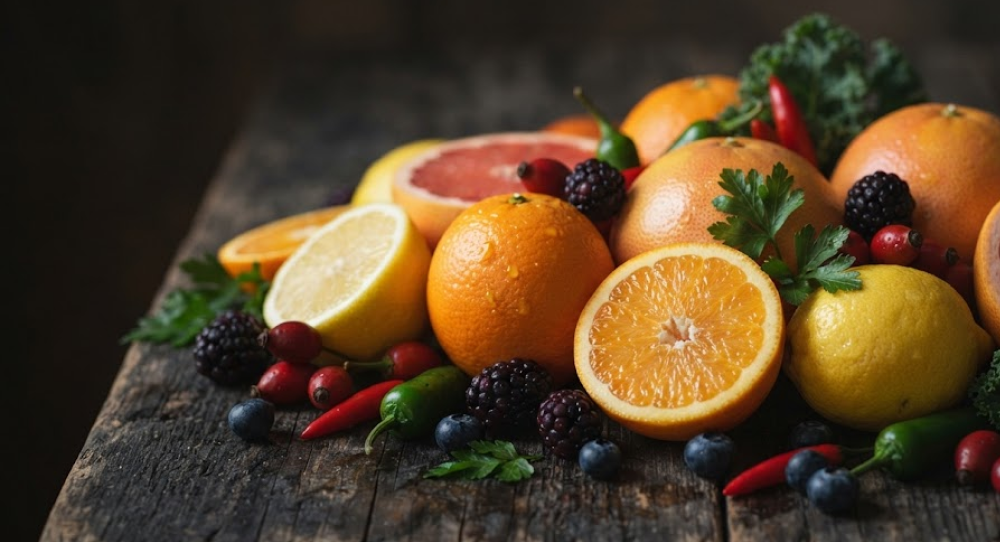
These secondary metabolites, which are found in great abundance in various citrus fruits, berries, peppers, and dark leafy greens, do not merely serve as passive companions to vitamin C. Instead, they act as essential biochemical catalysts that dictate the precise ways in which the body absorbs, utilizes, and retains this vital, water-soluble nutrient. Understanding this profound synergy is the foundational step toward effective cellular optimization, comprehensive metabolic health, and the pursuit of longevity.
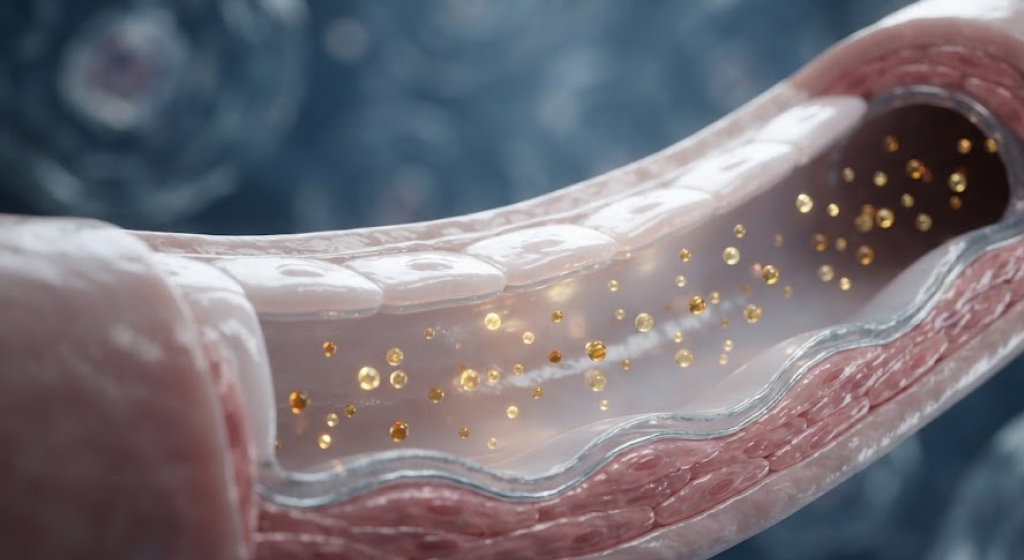
When these compounds are ingested together, they create a highly favorable biological environment that enhances their collective efficacy far beyond the simple sum of their individual contributions. This intricate relationship is not merely a supplemental nuance; it is fundamentally central to how humans manage the relentless onslaught of oxidative stress and maintain the delicate integrity of their vascular networks. By consciously moving beyond the outdated and overly simplistic “immune support only” narrative that dominates mainstream media, one can begin to appreciate how this dynamic duo functions as a comprehensive, multi-layered maintenance system for the body’s internal architecture, supporting everything from cellular signaling to structural repair.
- Vitamin C functions as a critical electron donor, facilitating hundreds of essential enzymatic reactions that power human life.
- Bioflavonoids act as protective agents, shielding the delicate structure of vitamin C from premature oxidation before it can reach its target tissues.
- The pairing facilitates significantly superior bioavailability and cellular retention compared to taking isolated, synthetic ascorbic acid supplements.
Molecular Architecture: How Bioflavonoids Protect Vitamin C
At the fundamental molecular level, ascorbic acid—the pure chemical form of vitamin C—is notoriously unstable and exceptionally susceptible to rapid degradation when exposed to common environmental stressors like oxygen, ultraviolet light, or elevated temperatures. This is precisely where specific bioflavonoids, such as hesperidin, quercetin, rutin, and naringin, provide a critical defensive barrier that ensures the nutrient reaches the cells intact. These compounds function as a sophisticated biological shield, effectively preventing the rapid chemical breakdown of vitamin C as it navigates the harsh, acidic conditions of the digestive tract and the complex chemical milieu of the bloodstream. By actively stabilizing the molecular structure, these plant compounds ensure that a higher percentage of the vitamin successfully reaches the target tissues where it is most desperately needed for vital tasks like systemic collagen synthesis and ongoing cellular repair processes.
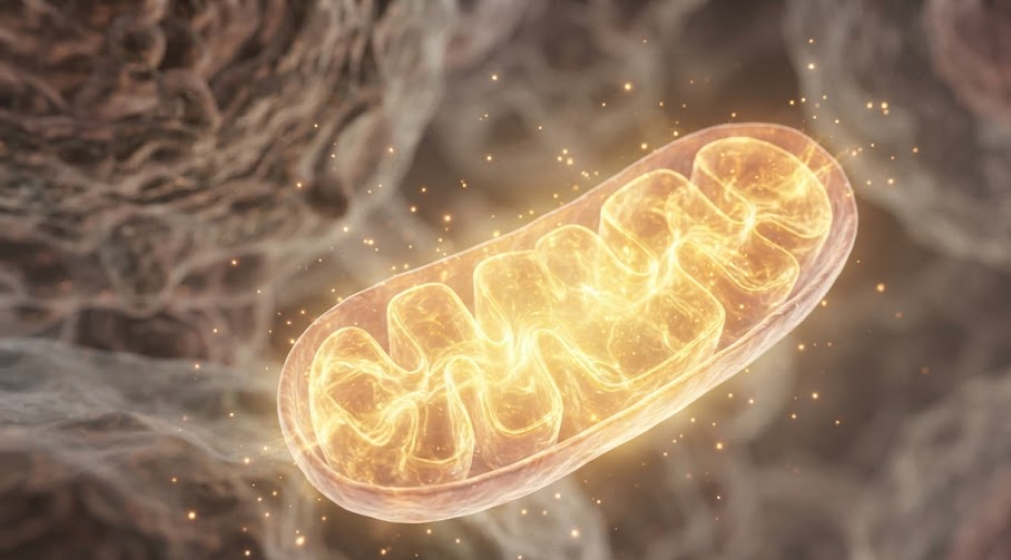
This essential protection mechanism is of particular importance for individuals living in modern, high-stress environments where environmental toxins and psychological strain are constant. Chronic inflammation, often triggered by lifestyle factors, can deplete the body’s internal stores of antioxidants at an accelerated rate, leaving tissues vulnerable to damage. By consuming a complex that includes both the primary vitamin and its natural flavonoid partners, the body is significantly better equipped to maintain a steady state of nutrient availability throughout the day. This creates a highly sustainable supply chain for the mitochondria, the energy factories of the cell, ensuring they always have the necessary resources required for continuous, high-efficiency energy production without succumbing to the damaging oxidative cascades that often follow periods of high metabolic activity.
- Flavonoids prevent the rapid and wasteful degradation of ascorbic acid within the gastrointestinal tract.
- The combination promotes a significantly longer half-life of these nutrients within the systemic circulation.
- Stabilized molecules are able to permeate deeper into tissue layers more effectively than synthetic, isolated alternatives.

Collagen Synthesis and Structural Integrity
The most tangible, visible, and physically measurable benefit of a high-functioning vitamin C and bioflavonoid partnership is the dramatic improvement in the health and resilience of the body’s structural tissues. Collagen is the primary protein responsible for skin elasticity, joint cartilage health, bone density, and the overall structural resilience of blood vessels. Without adequate, consistent levels of vitamin C, the body is physically unable to synthesize, fold, or cross-link collagen fibers correctly, which leads to weakened connective tissues, reduced joint mobility, and accelerated signs of premature aging. However, the presence of specific bioflavonoids works to significantly enhance the cross-linking of these collagen fibers, ensuring that the structural framework of the body is not just formed, but actively reinforced against the daily wear and tear of gravity and mechanical stress.
Beyond the more common aesthetic concerns regarding skin health and appearance, this internal structural reinforcement is absolutely critical for the long-term health of the entire cardiovascular system. The capillaries, which are the smallest and most fragile vessels in the body, rely entirely on this reinforced collagen matrix for their strength, flexibility, and controlled permeability. When these microscopic structures are fortified, the body experiences improved micro-circulation and more efficient nutrient delivery to peripheral tissues throughout the limbs and organs. This is the true bedrock of biohacking—the deliberate act of optimizing the microscopic architecture of the human body to produce noticeable, long-term improvements in physical performance, recovery speed from exertion, and overall physiological durability as one ages.
- Collagen cross-linking and stabilization are significantly boosted by the presence of specific flavonoids.
- Capillary wall strength is maintained through enhanced structural protein synthesis and reduced fragility.
- Visible improvements in skin elasticity and joint fluidity result from consistent, deep-level tissue optimization.

Combatting Oxidative Stress at the Cellular Level
Oxidative stress is an unavoidable byproduct of normal human metabolic processes, yet it transitions from a manageable event into a chronic pathology when the body’s innate antioxidant defense systems are overwhelmed by internal or external factors. Vitamin C acts as an exceptionally powerful scavenger of free radicals, donating electrons to neutralize unstable molecules before they can cause permanent damage to delicate DNA strands or fragile lipid membranes. Yet, it cannot perform this monumental task in isolation. Bioflavonoids function as crucial secondary antioxidants that amplify this protective effect. They possess the unique, regenerative ability to recycle oxidized vitamin C, effectively allowing the body to “recharge” the nutrient, thereby keeping the primary antioxidant defense system active and vigilant for much longer periods than would be possible otherwise.
This elegant biochemical feedback loop is a hallmark of intelligent biological design. By maintaining a high ratio of reduced to oxidized antioxidants, the body creates a robust buffer zone that protects the mitochondria from the harmful byproducts of their own energy production. Because the mitochondria are the main site of reactive oxygen species generation, protecting them with this sophisticated, dual-action strategy is arguably the most essential step for sustaining high energy levels and mental clarity throughout the day. This approach shifts the entire focus of health maintenance from simply supplementing vitamins to actively cultivating a cellular environment that is inherently resistant to both environmental pollutants and the accumulation of internal metabolic damage.
- Antioxidant recycling loops allow for sustained, multi-hour cellular defense against free radicals.
- Mitochondrial membranes are shielded from the destructive process of lipid peroxidation by this synergistic pair.
- DNA integrity is significantly better preserved through the constant, proactive mitigation of oxidative damage.

Regulating Inflammatory Cascades
Chronic, low-grade inflammation is widely recognized as the silent, primary driver of many modern metabolic issues and degenerative conditions. While some level of acute inflammation is a necessary part of the body’s healing process, a persistent, unchecked state of systemic activation leads to profound cellular fatigue and functional decline. Vitamin C and bioflavonoids act as powerful, natural modulators of the body’s complex inflammatory response. They work primarily by inhibiting the excessive production of pro-inflammatory cytokines and specific enzymes, such as cyclooxygenase, which are responsible for triggering the body’s over-active stress signals. This precise regulation is absolutely crucial for maintaining the “steady state,” or biological homeostasis, that every serious biohacker seeks to achieve to maintain optimal function.
By effectively tempering these inflammatory cascades, this synergistic nutrient combination allows the immune system to remain alert and capable without becoming pathologically overactive or exhausted. This subtle distinction is vital for those interested in longevity and high-level metabolic efficiency. When the body is not constantly struggling to fight unnecessary, self-inflicted inflammation, it can finally redirect its metabolic energy toward true optimization, deeper cognitive clarity, and more efficient physical repair. It represents a fundamental transition from a reactive state—where the body is constantly busy patching up damage—to a proactive, thriving state, where the biological system is inherently resilient, perfectly balanced, and fully prepared for high-demand activity.
- Pro-inflammatory enzyme activity is naturally suppressed by the intake of flavonoid-rich, natural complexes.
- Systemic cytokine levels are kept within a healthy, functional range, preventing over-activation.
- Reduced baseline inflammation leads to significantly faster recovery times after intense physical or mental stress.
Optimizing Vascular Health and Blood Flow
The health of the vascular endothelium—the thin, active membrane lining the heart and all blood vessels—is perhaps the single most important indicator of long-term cardiovascular potential and total body health. Vitamin C, working in perfect tandem with specific bioflavonoids, plays a critical, rate-limiting role in the body’s ability to produce nitric oxide, a gaseous signaling molecule that instructs blood vessels to dilate and improve local blood flow. This is not merely about heart health in the traditional sense; it is about ensuring that oxygen-rich, nutrient-dense blood reaches every organ, every muscle group, and every neuron in the brain with maximum efficiency. Proper circulation serves as the essential, high-speed highway through which all other biohacking tools—such as nootropics, minerals, or performance supplements—must travel to reach their destination.
For those who are deeply focused on cognitive output or peak physical performance, optimized vascular function is a massive force multiplier. When blood vessels are highly flexible and the endothelium is vibrant and healthy, nutrient delivery is streamlined, and the waste products of metabolism, such as lactic acid, are cleared away from working tissues more rapidly. This helps to sustain peak mental and physical states for much longer, effectively preventing the “afternoon slump” or the premature fatigue that often follows periods of intense, high-focus work. The potent partnership of vitamin C and flavonoids provides the precise chemical signals necessary to keep this entire circulatory system responsive, elastic, and highly efficient under varying levels of physical and mental load.
- Nitric oxide production is significantly enhanced, promoting better vasodilation and superior systemic blood flow.
- Endothelial cell function is protected against oxidative damage and the development of arterial rigidity.
- Improved nutrient delivery and metabolic waste clearance support sustained, high-level performance during intense tasks.

Final Thoughts: Vitamin C and Bioflavonoids: Beyond Immune Support
As we move toward a more sophisticated understanding of human biology, the role of vitamin C and bioflavonoids transitions from a simple health suggestion to a cornerstone of any serious performance protocol. By recognizing that these compounds work as a unified system rather than isolated entities, one gains the ability to modulate internal oxidative stress, support structural integrity, and maintain metabolic flexibility with much greater precision. This shift in perspective—from “taking vitamins” to “optimizing biochemical pathways”—is what separates basic maintenance from true biohacking. The goal is to create an environment within your cells that is resilient, efficient, and prepared for the demands of high-level activity.
While it is easy to get distracted by the latest trends in supplementation, it is important to return to the fundamental synergies that define human physiology. The partnership between vitamin C and bioflavonoids is not a novelty; it is a time-tested survival mechanism that keeps our vascular systems elastic, our skin resilient, and our mitochondria productive. When you prioritize these nutrients in their bioavailable, whole-food forms, you are not just consuming supplements; you are providing your body with the high-quality raw materials it needs to repair, defend, and regenerate itself on a daily basis.
- Adopting a systemic, synergistic view of nutrition transforms how you approach long-term health and cellular durability.
- The focus must remain on high-quality, bioavailable sources that honor the natural complexity of these vital plant compounds.
- Consistent, proactive management of these pathways is the most reliable way to achieve sustained energy and metabolic resilience.